
Do metal bottle lids rust?
As a dedicated bottle lid supplier, I've encountered numerous inquiries from clients regarding the rust - resistance of metal bottle lids. This topic is of utmost importance, as rust not only affects the aesthetic appeal of the lids but can also compromise the quality and safety of the products they seal. In this blog, I'll delve into the science behind metal rusting, explore which types of metal bottle lids are prone to rust, and discuss effective preventive measures.
Understanding Rusting
Rusting is a form of corrosion that occurs when iron or steel reacts with oxygen and water. The chemical reaction, known as oxidation, results in the formation of iron oxide, commonly referred to as rust. The process can be accelerated by factors such as humidity, salt exposure, and the presence of acids.
The general chemical equation for rusting is:
4Fe + 3O₂+ 6H₂O → 4Fe(OH)₃
This hydrated iron(III) oxide then breaks down further to form the familiar reddish - brown rust.
Types of Metal Bottle Lids and Their Rusting Tendencies
- Steel Bottle Lids
Steel is an alloy primarily composed of iron and carbon. Due to the presence of iron, steel bottle lids are highly susceptible to rusting. If exposed to moisture for an extended period, the iron in the steel will react with oxygen in the air to form rust. For example, in a humid storage environment or if the product inside the bottle contains water vapor that condenses on the lid, steel lids can start to show signs of rust within a relatively short time. - Iron Bottle Lids
Similar to steel, iron bottle lids are extremely prone to rust. Pure iron is highly reactive with oxygen and water, and rusting can occur rapidly, especially in harsh environmental conditions. Iron lids are less commonly used in modern packaging due to their poor rust - resistance, but they may still be found in some traditional or specialty applications. - Aluminum Bottle Lids
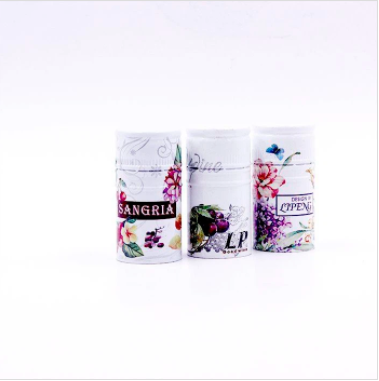
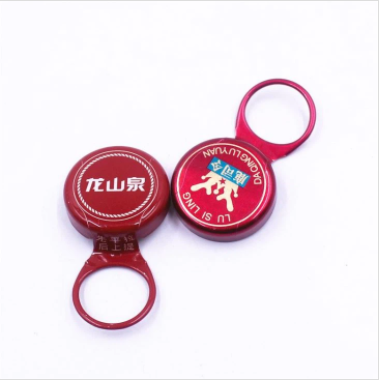
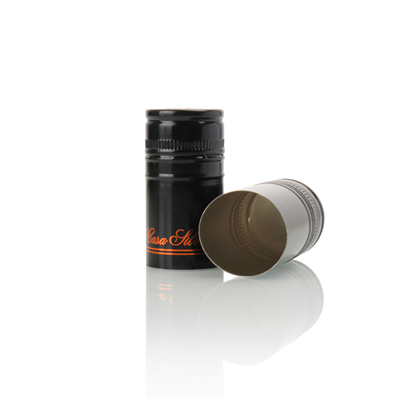
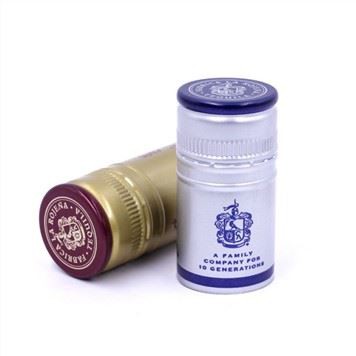
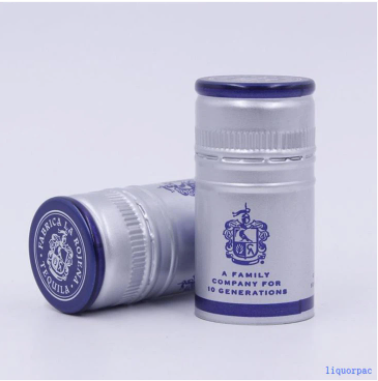
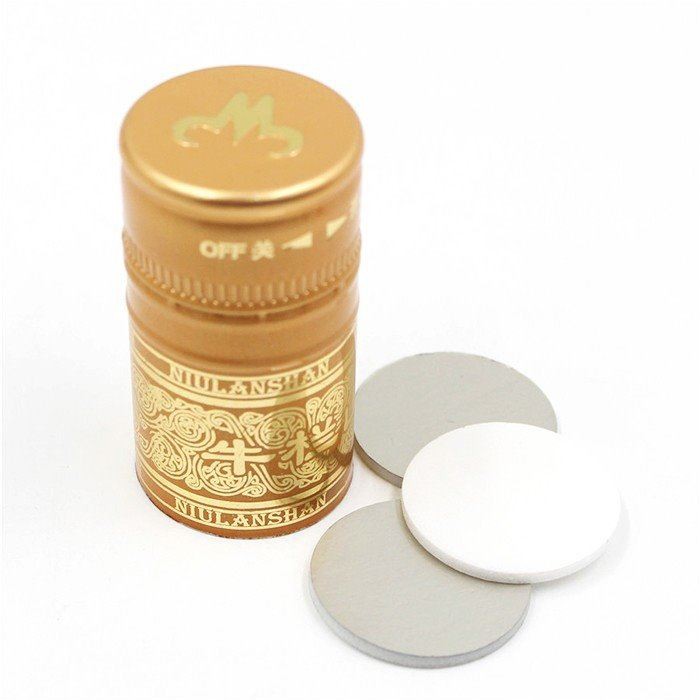
Aluminum is a different story. When aluminum is exposed to air, it forms a thin, protective layer of aluminum oxide (Al₂O₃) on its surface. This layer acts as a barrier, preventing further oxidation and protecting the underlying metal from corrosion. As a result, aluminum bottle lids are highly resistant to rust. For instance, our Wine Screw Cap and 30x47 Whiskey Aluminum Bottle Cap are made from high - quality aluminum, ensuring long - term protection against rust and maintaining the integrity of the bottle seal. - Copper Bottle Lids
Copper also forms a protective layer when exposed to air. The layer is a patina, which is a mixture of copper carbonate and copper hydroxide. This patina protects the copper from further corrosion. While copper doesn't rust in the same way as iron or steel, it can change color over time due to the formation of the patina. Copper bottle lids are often used for their aesthetic appeal and relatively good corrosion resistance.
Factors Affecting Rusting of Metal Bottle Lids
- Environmental Conditions
The environment plays a crucial role in the rusting process. High humidity levels provide the necessary moisture for the oxidation reaction to occur. Coastal areas, where the air contains salt particles, are particularly harsh on metal bottle lids. Salt can act as an electrolyte, accelerating the rusting process. Additionally, industrial areas with high levels of pollution, such as sulfur dioxide in the air, can also increase the likelihood of rusting. - Product Inside the Bottle
The nature of the product inside the bottle can also impact the rusting of the lid. If the product is acidic, it can react with the metal of the lid, breaking down the protective layers and promoting rusting. For example, some fruit juices or carbonated beverages with a low pH can be corrosive to metal lids. - Surface Finish and Coating
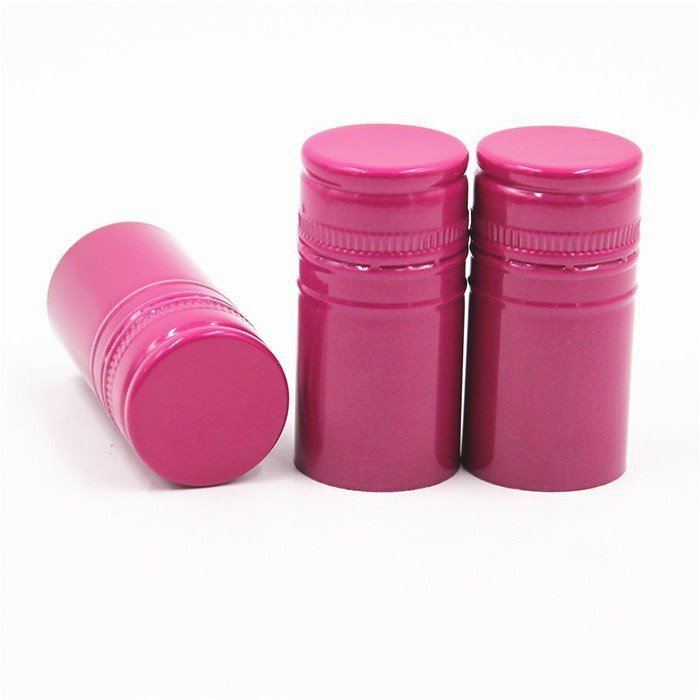
The surface finish of the metal bottle lid can significantly affect its rust - resistance. A smooth surface is less likely to trap moisture and contaminants, reducing the risk of rust. Coating the lid with a protective layer, such as paint, lacquer, or a polymer coating, can also enhance its rust - resistance. For example, our 33x47mm Aluminum Plastic Bottle Cap has a plastic coating that provides an extra layer of protection against environmental factors.
Preventive Measures for Metal Bottle Lid Rusting
- Material Selection
As mentioned earlier, choosing metals with good rust - resistance, such as aluminum, can be a smart decision. Aluminum lids offer a great balance between durability and rust - protection, making them suitable for a wide range of applications. - Surface Treatment
Applying a protective coating to the metal lid can prevent rusting. This can include electroplating, powder coating, or painting. These coatings create a barrier between the metal and the environment, preventing oxygen and water from coming into contact with the metal surface. - Proper Storage
Storing metal bottle lids in a dry, cool environment can significantly reduce the risk of rusting. Avoid storing lids in areas with high humidity or direct contact with water. If possible, use desiccants in the storage area to absorb moisture. - Quality Control
Implementing strict quality control measures during the manufacturing process is essential. This includes ensuring that the metal used is of high quality and that the surface finish and coating are applied correctly. Regular inspections of the lids can help detect any signs of rust or damage early on.
Conclusion
In conclusion, whether metal bottle lids rust depends on the type of metal, environmental conditions, and the preventive measures in place. While steel and iron lids are prone to rust, aluminum and copper lids offer better rust - resistance. As a bottle lid supplier, we are committed to providing high - quality, rust - resistant lids to meet the diverse needs of our customers.
If you are in the market for reliable and rust - resistant bottle lids, we would love to have a discussion with you. Whether you need lids for wine, whiskey, or other beverages, our wide range of products, including Wine Screw Cap, 30x47 Whiskey Aluminum Bottle Cap, and 33x47mm Aluminum Plastic Bottle Cap, can provide the perfect solution. Contact us today to start a procurement discussion and find the ideal bottle lids for your products.
References
- Callister, W. D., & Rethwisch, D. G. (2017). Materials Science and Engineering: An Introduction. Wiley.
- Fontana, M. G. (1986). Corrosion Engineering. McGraw - Hill.
- Uhlig, H. H., & Revie, R. W. (1985). Corrosion and Corrosion Control: An Introduction to Corrosion Science and Engineering. Wiley.