
Soda bottle caps are essential components in the beverage industry, ensuring product freshness, safety, and convenience. As a leading soda bottle cap supplier, I'm excited to take you through the fascinating process of how these small yet crucial items are manufactured.
Raw Material Selection
The manufacturing process begins with the careful selection of raw materials. For soda bottle caps, the most commonly used materials are plastics and aluminum. Each material has its own set of properties and advantages.
Plastic caps are typically made from high - density polyethylene (HDPE) or polypropylene (PP). These plastics are lightweight, cost - effective, and offer good chemical resistance. They can be easily molded into various shapes and sizes, making them suitable for different types of soda bottles.
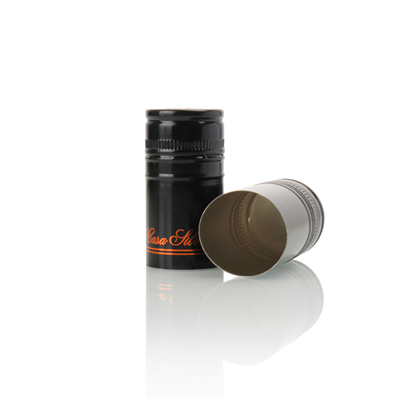
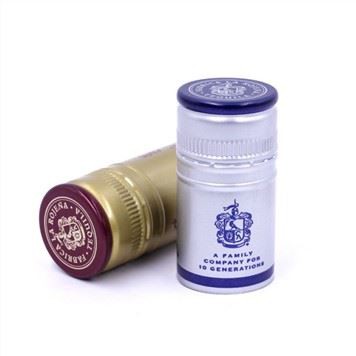
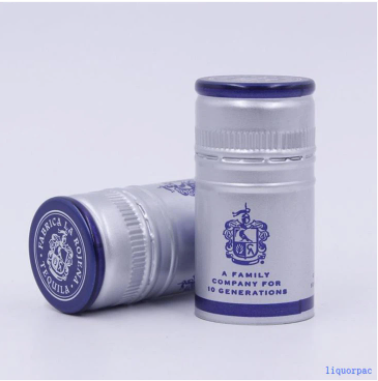
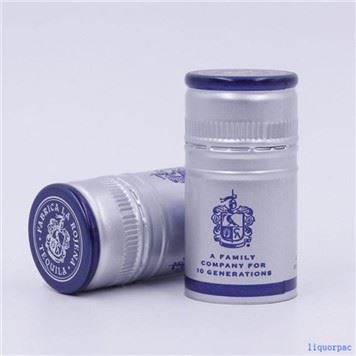
Aluminum caps, on the other hand, are known for their durability and excellent barrier properties. They provide a tight seal, protecting the soda from oxygen and light, which can degrade the quality of the beverage over time. Aluminum also has a high recyclability rate, making it an environmentally friendly choice. For example, our Pilfer Proof Aluminium Screw Cap is made from high - quality aluminum, ensuring a secure and tamper - evident closure for soda bottles.
Plastic Cap Manufacturing
If we're talking about plastic caps, the first step is the extrusion of plastic pellets. These pellets are fed into an extruder, where they are heated and melted. The molten plastic is then forced through a die to form a continuous tube, known as a parison.
Once the parison is formed, it is transferred to a blow - molding machine. Here, a mold in the shape of the bottle cap is closed around the parison, and compressed air is injected into the parison. This air pressure forces the plastic to expand and take the shape of the mold. After a short cooling period, the mold opens, and the newly formed plastic cap is ejected.
The caps then go through a trimming process to remove any excess plastic or flash. This ensures that the caps have a clean and uniform appearance. Next, they are inspected for quality. Automated inspection systems are used to check for defects such as cracks, uneven surfaces, or incorrect dimensions. Any defective caps are removed from the production line.
Aluminum Cap Manufacturing
The manufacturing of aluminum caps starts with the cutting of aluminum sheets. These sheets are typically sourced in large rolls and are precisely cut into circular blanks of the appropriate size for the bottle caps.
The circular blanks are then fed into a press, where they are formed into the basic shape of the cap. This process involves a series of stamping operations. First, the blank is formed into a shallow cup shape. Then, additional stamping steps are used to create the threads on the inside of the cap and the ridges on the outside for easy gripping.
After the basic shaping is complete, the caps are washed and cleaned to remove any dirt, oil, or debris from the manufacturing process. They are then coated with a protective layer. This coating can serve multiple purposes, such as preventing corrosion, improving the appearance, and providing a better seal.
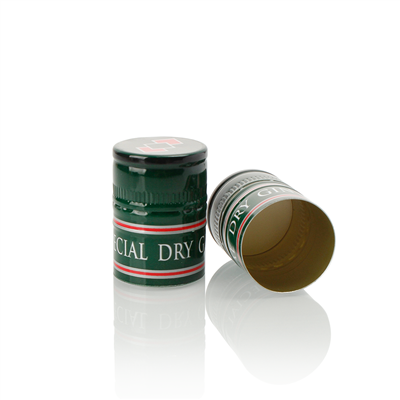
Our Whiskey Glass Bottles Aluminum ROPP Caps and 33*47mm Aluminum Bottle Caps go through a rigorous quality control process at this stage. We use advanced inspection techniques to ensure that the caps meet the highest standards in terms of size, shape, and coating quality.
Printing and Decoration
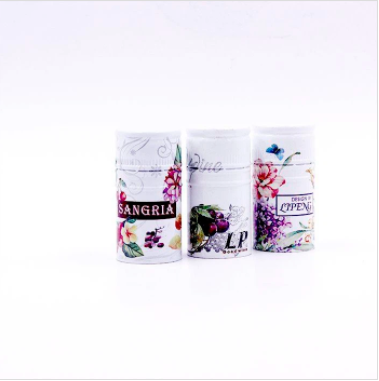
Both plastic and aluminum caps can be printed and decorated to meet the branding and marketing needs of our customers. Printing on caps can be done using various methods, such as silk - screening, offset printing, or hot - stamping.
Silk - screening is a popular method for printing simple designs and logos on caps. It involves pressing ink through a fine mesh screen onto the surface of the cap. Offset printing, on the other hand, is suitable for more complex and detailed designs. It uses a series of rollers to transfer the ink from a printing plate to the cap.
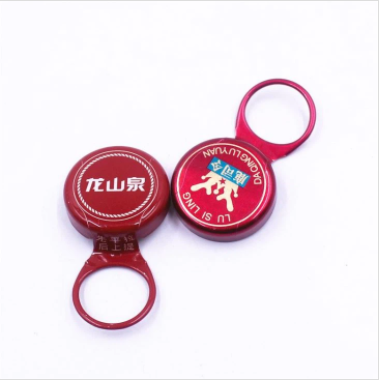
Hot - stamping is a process where a metallic or colored foil is transferred onto the cap using heat and pressure. This method is often used to create a high - end, eye - catching look for premium soda brands.
Assembly and Packaging
Once the caps are manufactured, printed, and inspected, they are ready for assembly and packaging. In some cases, additional components such as liners or seals may be added to the caps. These liners can be made of materials like foam, rubber, or plastic, and they help to create a better seal and prevent leakage.
The caps are then sorted and counted before being packaged into boxes or cartons. The packaging is designed to protect the caps during transportation and storage. We ensure that the packaging is sturdy and labeled clearly with information such as the cap type, size, quantity, and customer details.
Quality Control Throughout the Process
Quality control is an integral part of the soda bottle cap manufacturing process. At every stage, from raw material selection to final packaging, strict quality control measures are in place.
We conduct regular tests on the raw materials to ensure that they meet our specifications. For example, we test the chemical composition, mechanical properties, and color of the plastics and aluminum. During the manufacturing process, in - process inspections are carried out to detect any potential issues early on.
Final inspection of the finished caps includes visual inspection, dimensional measurement, and performance testing. We test the caps for factors such as torque (the amount of force required to open and close the cap), seal integrity, and resistance to leakage. Only caps that pass all these tests are approved for shipment to our customers.
Environmental Considerations
In today's world, environmental sustainability is a top priority. We are committed to minimizing the environmental impact of our soda bottle cap manufacturing process.
As mentioned earlier, aluminum is highly recyclable. We encourage our customers to recycle our aluminum caps, and we work with recycling facilities to ensure that the aluminum is reused in the production of new products.
For plastic caps, we are exploring the use of more sustainable plastics, such as biodegradable or compostable polymers. We are also looking into ways to reduce the amount of plastic used in our caps without compromising on quality or performance.
Conclusion
The manufacturing of soda bottle caps is a complex and precise process that involves multiple steps and strict quality control. As a soda bottle cap supplier, we take pride in producing high - quality caps that meet the diverse needs of our customers in the beverage industry.
Whether you're a large - scale soda manufacturer or a small - batch craft soda producer, we have the expertise and resources to provide you with the perfect bottle caps for your products. If you're interested in learning more about our soda bottle cap offerings or would like to discuss a potential procurement, please don't hesitate to reach out. We look forward to the opportunity to work with you and contribute to the success of your beverage business.
References
- "Plastic Packaging Technology" by Andrew A. Collyer
- "Aluminum: Technology, Applications, and Environment" by R. D. Sisson Jr.
- Industry reports from leading beverage and packaging research firms.