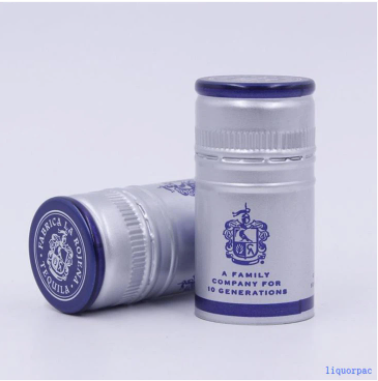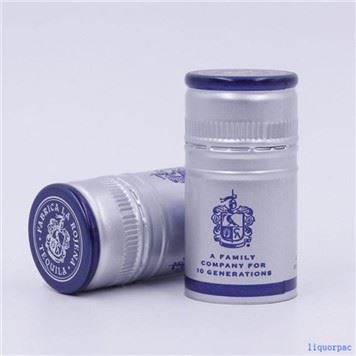

Hey there, wine enthusiasts and industry folks! I'm a supplier of wine bottle cap covers, and I know how crucial it is to pick the right cap for different wine types. Let's dive into this wine cap - choosing adventure!
Understanding the Basics of Wine Types
First off, we've got to understand the main wine types out there. There are basically three broad categories: red, white, and sparkling wines. Each of these has its unique characteristics, and they need different cap covers to keep them in top - notch condition.
Red wines are often full - bodied and ages well. They're made from dark - colored grapes, and during the winemaking process, the grape skins are left in contact with the juice for a longer time. This gives red wines their rich color and complex flavors. White wines, on the other hand, are usually made from green or yellow grapes, and the skins are removed early. They're generally lighter in body and have a fresher, fruitier taste. Sparkling wines have bubbles, which come from a secondary fermentation process. Champagne is the most famous type of sparkling wine, but there are also others like Prosecco and Cava.
Factors to Consider When Choosing a Wine Bottle Cap Cover
Oxygen Permeability
Oxygen is both a friend and a foe to wine. A little bit of oxygen can help a wine develop and open up its flavors, especially for red wines. But too much oxygen can cause the wine to oxidize, turning it into a flat, vinegary mess.
For red wines that benefit from a controlled amount of oxygen over time, screw caps with a specific oxygen transfer rate (OTR) can be a great choice. Some modern screw caps are designed to allow a very small amount of air to interact with the wine, mimicking the slow oxygenation that can happen with natural corks.
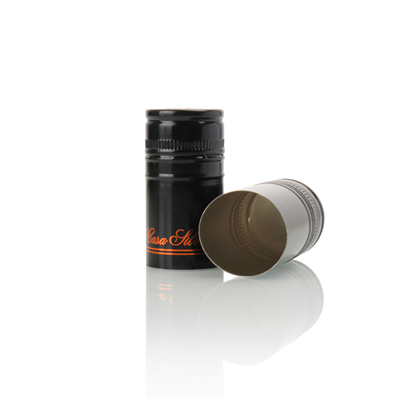
White wines are more sensitive to oxygen. They usually need a cap that provides a tight seal to prevent oxidation. Aluminum caps are excellent for white wines. They create an airtight seal that keeps the wine fresh and preserves its delicate flavors. You can check out our Aluminum Closure For Spirits, which can also be a great option for white wines.
Sparkling wines need a cap that can withstand the high pressure inside the bottle due to the carbon dioxide. Traditional champagne corks are still the most common choice. But there are also aluminum crown caps that are designed for sparkling wines. These caps are strong enough to hold the pressure and keep the bubbles inside.
Aesthetics and Branding
Let's face it, the look of the bottle cap can have a big impact on the consumer's perception of the wine. A well - designed cap can make a wine stand out on the shelves.
For high - end or traditional red wines, natural corks can give an air of elegance and sophistication. Corks have a classic look that many consumers associate with quality wines. However, corks can also be prone to cork taint, which is a musty smell that can ruin the wine.
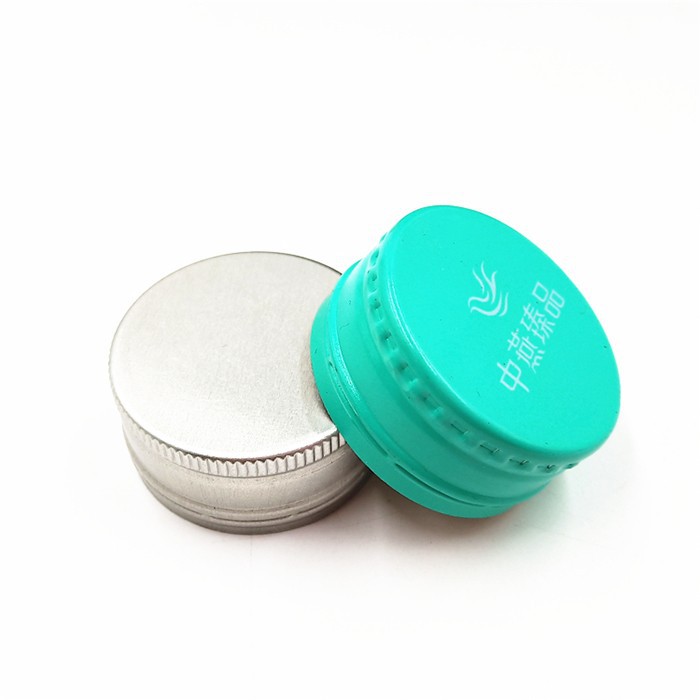

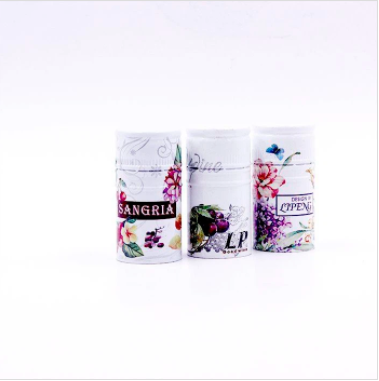
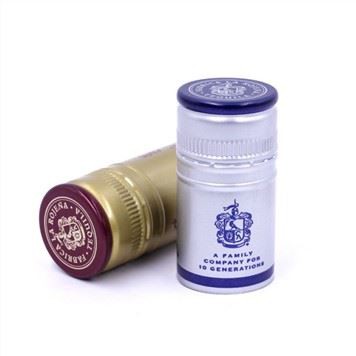
If you're going for a more modern and trendy look, screw caps are a great option. They come in different colors and finishes, allowing you to customize the appearance of your wine bottle. Our 28mm ROPP Water Beverage Aluminum Caps offer a sleek and contemporary look that can enhance the brand image of your wine.
Cost
Cost is always a factor in the wine business. Natural corks can be quite expensive, especially the high - quality ones. Screw caps and aluminum caps are generally more affordable, which can be a big advantage if you're producing a large volume of wine.
For entry - level or mid - range wines, aluminum caps are a cost - effective choice that still provides good protection for the wine. You can choose from a variety of options like our 28mm 38mm ROPP Cap, which offers both quality and affordability.
Specific Cap Choices for Different Wine Types
Red Wines
As I mentioned earlier, red wines can be a bit more forgiving when it comes to oxygen. For young, fruity red wines that are meant to be consumed within a few years, a screw cap can be a great choice. Screw caps are easy to open and provide a reliable seal.
For aged red wines, natural corks or synthetic corks can be used. Natural corks allow for a slow exchange of oxygen, which can help the wine develop complex flavors over time. Synthetic corks are a more consistent alternative to natural corks, as they don't have the risk of cork taint.
White Wines
Aluminum caps are the top pick for white wines. They offer a perfect seal that keeps the wine fresh and prevents oxidation. The smooth surface of aluminum caps also allows for easy branding and labeling.
If you're producing a high - end white wine and want a more traditional look, you can consider using real cork stoppers. But make sure to source them from a reliable supplier to minimize the risk of cork taint.
Sparkling Wines
Traditional champagne corks are the standard for high - end sparkling wines. They're made from a special type of cork that can withstand the pressure inside the bottle. The wire cage or muselet is used to hold the cork in place.
However, for more affordable or mass - market sparkling wines, aluminum crown caps can be used. They're easier to apply and can still provide a reliable seal to keep the bubbles in.
Conclusion
Choosing the right wine bottle cap cover is a balancing act between the needs of the wine, the brand image, and the cost. There's no one - size - fits - all solution, but by understanding the characteristics of different wine types and the features of various cap covers, you can make an informed decision.
If you're in the wine business and looking for high - quality wine bottle cap covers, we're here to help! We offer a wide range of options, from aluminum caps to corks, to meet your specific needs. Reach out to us to start a discussion about your requirements and let's find the perfect cap covers for your wines together.
References
- Jackson, Hugh. "The World of Wine." Wine Press Publications, 2020.
- Robinson, Jancis. "Wine Grapes." HarperCollins, 2012.