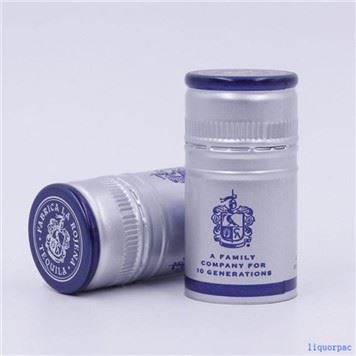

Managing the inventory of spirits aluminium caps is a crucial aspect of running a successful supply business. As a supplier of spirits aluminium caps, I have encountered various challenges and developed effective strategies to ensure smooth operations and customer satisfaction. In this blog post, I will share my experiences and insights on how I manage the inventory of spirits aluminium caps.
Understanding the Market Demand
The first step in inventory management is to understand the market demand for spirits aluminium caps. This involves analyzing historical sales data, monitoring industry trends, and staying updated on customer preferences. By having a clear understanding of the market demand, I can make informed decisions about the quantity and types of caps to stock.

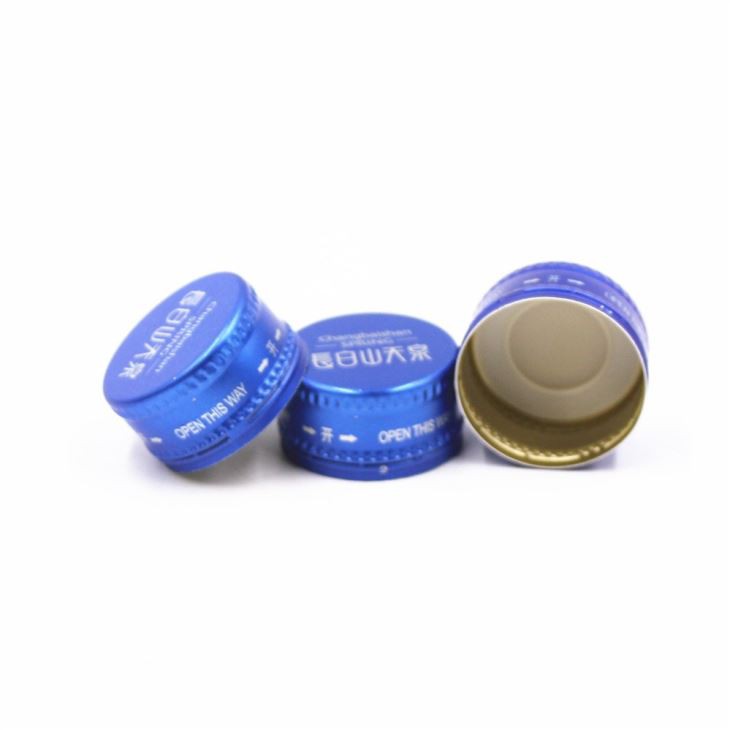
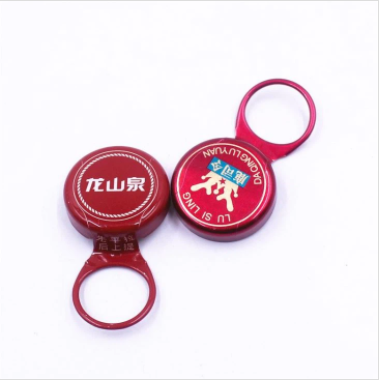
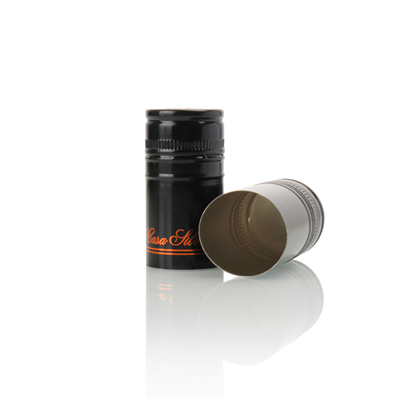
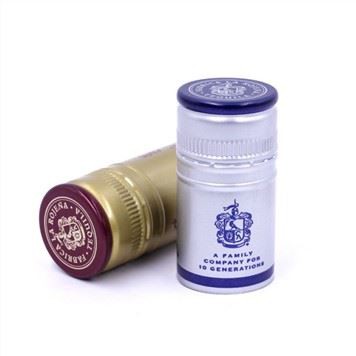
For example, if I notice a growing trend towards a specific type of cap, such as the Aluminum 28mm ROPP Closure, I can increase the inventory of that particular cap to meet the expected demand. On the other hand, if a certain cap is not selling well, I can reduce the stock level to avoid overstocking.
Forecasting and Planning
Based on the market demand analysis, I create detailed forecasts and plans for the inventory. This includes setting reorder points, determining safety stocks, and planning for seasonal fluctuations in demand. By having a well-defined inventory plan, I can ensure that I always have enough caps in stock to meet customer orders without incurring excessive carrying costs.
Reorder points are the levels at which I need to place new orders to replenish the inventory. These points are calculated based on factors such as lead time, demand variability, and desired service levels. Safety stocks are additional quantities of caps that I keep on hand to buffer against unexpected fluctuations in demand or supply disruptions. By maintaining appropriate safety stocks, I can minimize the risk of stockouts and ensure continuous supply to my customers.
Supplier Relationships
Maintaining strong relationships with suppliers is essential for effective inventory management. I work closely with my suppliers to establish reliable supply chains, negotiate favorable terms, and ensure timely delivery of caps. By having good communication and trust with my suppliers, I can respond quickly to changes in demand and minimize the impact of supply disruptions.
For instance, I have established long-term partnerships with some of my key suppliers. These partnerships allow me to secure consistent supply of high-quality caps at competitive prices. I also collaborate with my suppliers to improve the efficiency of the supply chain, such as reducing lead times and implementing just-in-time delivery systems.
Inventory Control Systems
To track and manage the inventory effectively, I use advanced inventory control systems. These systems provide real-time visibility into the stock levels, locations, and movements of caps. They also generate reports and alerts to help me make informed decisions about inventory management.
One of the key features of my inventory control system is the ability to set up automatic reordering. When the stock level of a particular cap reaches the reorder point, the system automatically generates a purchase order and sends it to the supplier. This helps to ensure that I never run out of stock and reduces the risk of human error in the reordering process.
Quality Control
Quality control is another important aspect of inventory management. I have strict quality control measures in place to ensure that all the caps I supply meet the highest standards. This includes inspecting incoming shipments, conducting regular quality checks on the inventory, and working with suppliers to address any quality issues.
By maintaining high-quality standards, I can enhance customer satisfaction and build a good reputation in the market. Customers are more likely to trust and continue doing business with a supplier who provides reliable and high-quality products.
Monitoring and Evaluation
Finally, I regularly monitor and evaluate the performance of my inventory management system. I track key performance indicators (KPIs) such as inventory turnover ratio, stockout rate, and carrying cost. By analyzing these KPIs, I can identify areas for improvement and make necessary adjustments to my inventory management strategies.
For example, if I notice a high stockout rate for a particular cap, I may need to review my reorder point or safety stock level. If the carrying cost is too high, I may need to optimize the inventory levels or negotiate better terms with my suppliers.
In conclusion, managing the inventory of spirits aluminium caps requires a comprehensive approach that involves understanding the market demand, forecasting and planning, maintaining strong supplier relationships, using advanced inventory control systems, ensuring quality control, and monitoring and evaluating performance. By implementing these strategies, I have been able to effectively manage my inventory, reduce costs, and improve customer satisfaction.
If you are interested in purchasing spirits aluminium caps, I would be happy to discuss your requirements and provide you with a competitive quote. Please feel free to reach out to me for further discussions and procurement negotiations.
References
- Inventory Management: Principles and Practices. Author: Some Expert. Publisher: Some Publishing House. Year: Some Year.
- Supply Chain Management: Strategies and Techniques. Author: Another Expert. Publisher: Another Publishing House. Year: Another Year.