
When it comes to storing bottles with their lids on, there are several key aspects to consider to ensure both the integrity of the bottles and the functionality of the lids. As a bottle lid supplier, I've had the opportunity to work closely with various businesses and understand the importance of proper storage methods. In this blog, I'll share some insights and best practices on how to store bottles with their lids securely and efficiently.
Understanding the Importance of Proper Storage
Storing bottles with their lids on serves multiple purposes. First and foremost, it helps to preserve the contents of the bottles. Whether it's a delicate wine, a potent medicinal liquid, or a refreshing beverage, a properly sealed lid prevents air, moisture, and contaminants from entering the bottle, thus maintaining the quality and shelf - life of the product.
Secondly, storing bottles with lids on protects the lids themselves. Lids can be subject to damage, such as scratches, dents, or deformation, which can affect their sealing ability. By keeping the lids attached to the bottles during storage, we reduce the risk of accidental damage and ensure that they are ready to use when the product is consumed or shipped.
Considerations for Different Types of Bottles and Lids
Not all bottles and lids are the same. Different materials, shapes, and sizes require different storage approaches.
Glass Bottles with Metal Lids
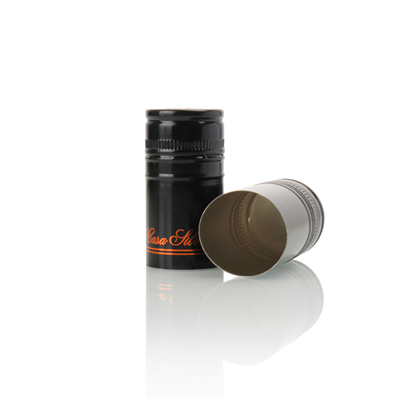
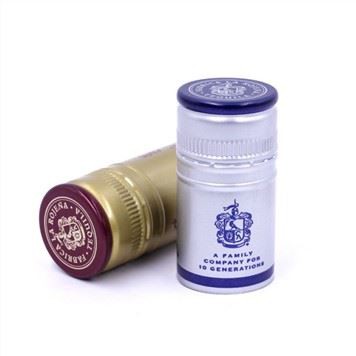
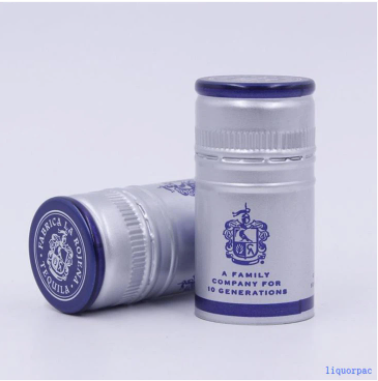
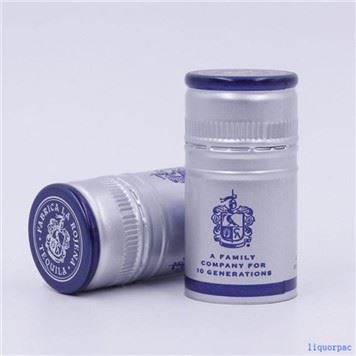
Glass bottles are a popular choice for a wide range of products due to their durability and transparency. Metal lids, such as the 3060mm Aluminum Wine Bottle Cap, provide a tight seal and are often used for wine, spirits, and high - end food products. When storing glass bottles with metal lids, it's important to keep them in a cool and dry environment. High humidity can cause the metal to rust, which may affect the appearance and functionality of the lid. Additionally, avoid storing these bottles in direct sunlight, as it can cause the contents to heat up and expand, potentially compromising the seal.
It's recommended to stack glass bottles with lids on in a stable manner. Use storage racks or pallets to keep them organized and prevent them from toppling over. If you need to stack multiple layers of bottles, place a layer of padding, such as cardboard or foam, between each layer to prevent the bottles from scratching or breaking.
Plastic Bottles with Plastic Lids
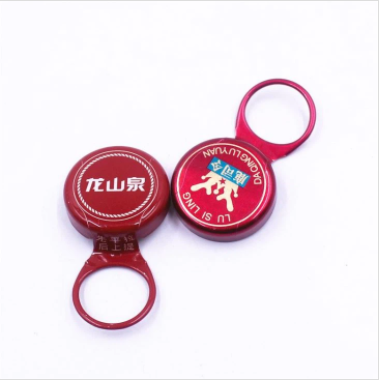
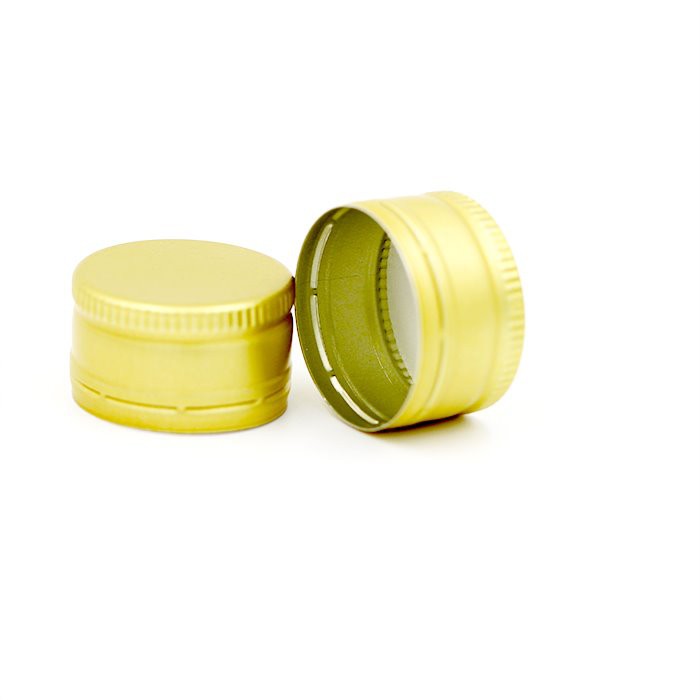
Plastic bottles are lightweight, shatter - resistant, and cost - effective. Plastic lids, like the 28mm 38mm ROPP Cap, are commonly used for beverages, personal care products, and household chemicals. When storing plastic bottles with plastic lids, be aware of the potential for the plastic to warp or deform over time, especially if exposed to high temperatures.
Store plastic bottles in a well - ventilated area at a moderate temperature. Avoid storing them near sources of heat, such as radiators or direct sunlight. If you're storing a large number of plastic bottles, consider using a storage container that allows for air circulation to prevent the build - up of moisture, which can lead to mold growth.
Specialty Bottles with Decorative Lids
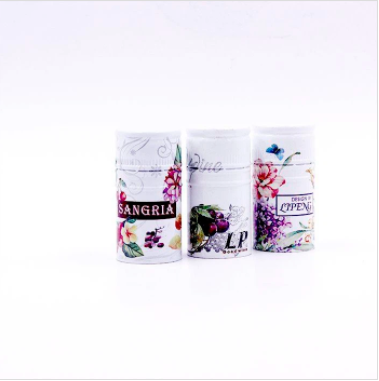
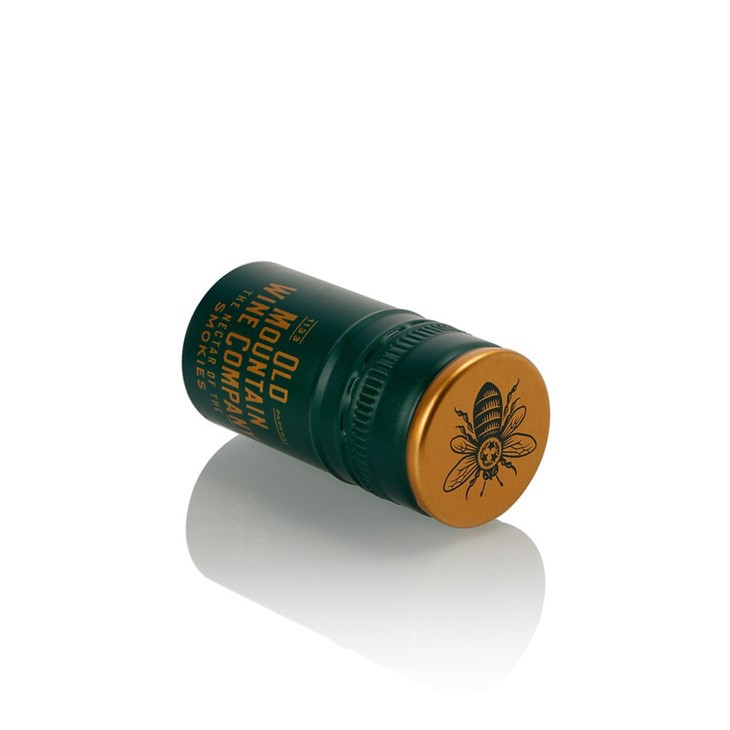
Some bottles come with specialty or decorative lids, such as the 30*60mm Hot Stamping Aluminum Cap. These lids are often used for luxury products and require extra care during storage. Keep them away from sharp objects that could scratch the decorative surface. It may be a good idea to store these bottles individually or in a protective case to maintain the aesthetic appeal of the lids.
Storage Methods
Vertical Storage
Vertical storage is a common method for bottles with lids on. It allows for easy access to each bottle and reduces the risk of the lids coming loose due to the pressure of stacking. For glass bottles, vertical storage also helps to prevent sediment from settling on the lid, which could affect the seal. You can use vertical storage racks or shelves specifically designed for bottles. This method is particularly suitable for wine bottles, where proper storage is crucial for the aging process.
Horizontal Storage
Horizontal storage is often recommended for wine bottles with cork lids. When a wine bottle is stored horizontally, the wine comes into contact with the cork, keeping it moist. A dry cork can shrink, allowing air to enter the bottle and spoil the wine. However, for bottles with other types of lids, horizontal storage may not be necessary and could potentially cause issues if the lid is not designed to be in that position.
Bulk Storage
If you're dealing with a large quantity of bottles with lids on, bulk storage is an option. Use large storage containers, pallets, or warehouses to store the bottles. When using pallets, make sure they are properly stacked and secured to prevent them from collapsing. You may also want to label the pallets for easy identification and inventory management.
Inventory Management
Proper inventory management is an important part of storing bottles with their lids on. Keep track of the expiration dates of the products inside the bottles, especially for food and beverage items. Implement a first - in, first - out (FIFO) system to ensure that the oldest products are used or shipped first. This helps to reduce waste and maintain the quality of your inventory.
Regularly inspect the stored bottles and lids for any signs of damage, such as cracks, leaks, or rust. Replace any damaged lids immediately to prevent issues with the integrity of the bottles.
Quality Control
In addition to proper storage, quality control is essential to ensure that the lids are functioning correctly. As a bottle lid supplier, I understand the importance of providing high - quality lids that meet the industry standards. Conduct regular quality checks on the lids before they are attached to the bottles. This can include testing the sealing ability, the strength of the material, and the overall appearance.
At the storage stage, periodically check the bottles to ensure that the lids are still tightly sealed. If you notice any issues, such as a loose or damaged lid, take appropriate action to correct the problem.
Conclusion
Storing bottles with their lids on is a crucial step in maintaining the quality and integrity of your products. By considering the type of bottles and lids, choosing the right storage method, implementing proper inventory management, and conducting quality control, you can ensure that your bottles are stored safely and effectively.
As a bottle lid supplier, I'm committed to providing high - quality lids that meet the diverse needs of my customers. If you're interested in learning more about our products or have any questions regarding bottle lid storage, I'd be more than happy to assist you. Feel free to reach out for a detailed discussion and potential procurement opportunities.
References
- Packaging Machinery Manufacturers Institute (PMMI). Best Practices for Bottle and Lid Storage.
- International Bottled Water Association (IBWA). Guidelines for Storing Bottled Products.
- Journal of Packaging Science and Technology. Articles on Bottle and Lid Preservation.