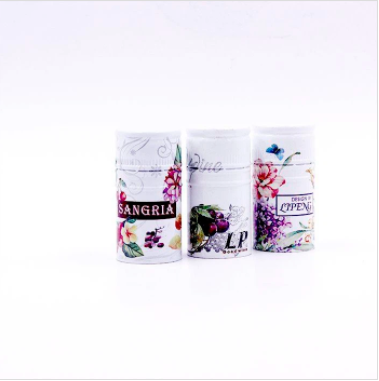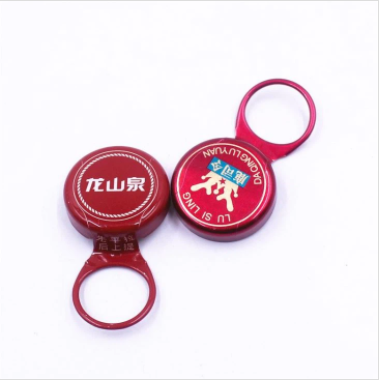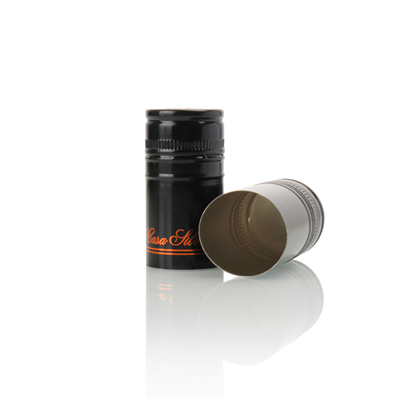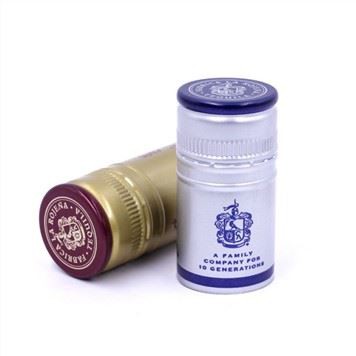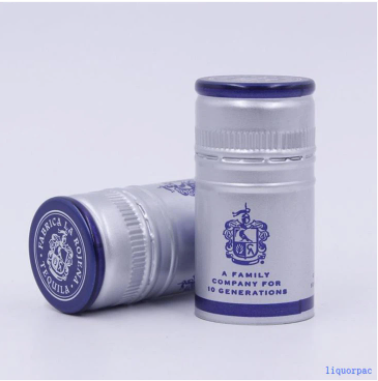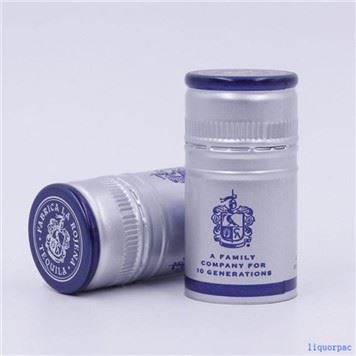

As a supplier of bottle screw caps, I've encountered numerous issues related to leaking caps over the years. Leaking bottle screw caps can be a significant problem for both manufacturers and end - users. It can lead to product spoilage, loss of product, and even safety concerns in some cases. In this blog, I'll share some effective troubleshooting steps to address this common issue.
1. Inspect the Cap and Bottle Compatibility
The first step in troubleshooting a leaking bottle screw cap is to ensure that the cap and the bottle are compatible. This includes checking the thread size, pitch, and finish of both the cap and the bottle.
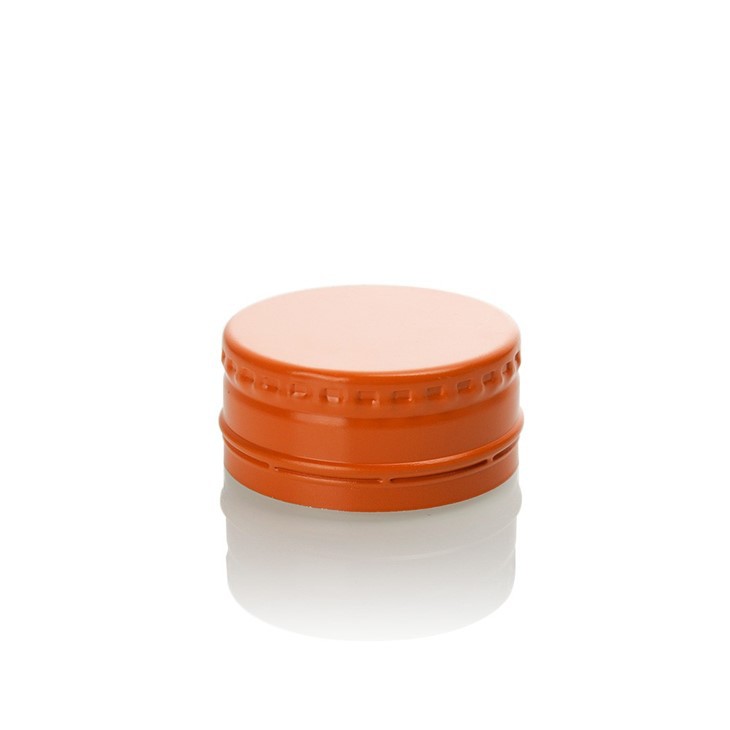
- Thread Size and Pitch: The thread size of the cap must match the thread size of the bottle neck precisely. A mismatch in thread size can prevent the cap from sealing properly. For example, if the cap's thread is too large, it won't screw down tightly enough, and if it's too small, it may not engage with the bottle's threads at all. Similarly, the pitch of the threads (the distance between each thread) must also be the same. We offer a wide range of bottle screw caps, such as the 28mm Orange Aluminum Bottle Caps, which are designed to fit specific bottle neck sizes and thread pitches.
- Bottle Finish: Different bottles have different finishes, such as roll - on pilfer - proof (ROPP), screw - on, or snap - on. The cap must be designed to fit the specific bottle finish. For instance, Aluminum ROPP Caps For Wine Glass Bottles are specifically engineered for wine glass bottles with a ROPP finish. Using an incorrect cap for a particular bottle finish can result in leakage.
2. Examine the Cap's Sealant
The sealant in the cap plays a crucial role in preventing leakage. Over time, the sealant can dry out, crack, or become damaged, leading to a poor seal.
- Visual Inspection: Carefully examine the sealant inside the cap. Look for any signs of cracks, dryness, or discoloration. If the sealant appears to be damaged, it's likely that the cap will not seal properly. Some caps, like our Bottle Lid, come with high - quality sealants that are designed to maintain their integrity over time.
- Sealant Compatibility: Ensure that the sealant is compatible with the product inside the bottle. Some chemicals or substances in the product can react with the sealant, causing it to degrade. For example, certain solvents or acidic products may break down the sealant, leading to leakage.
3. Check the Torque of the Cap
The torque, or the amount of force applied when screwing the cap onto the bottle, is another important factor.
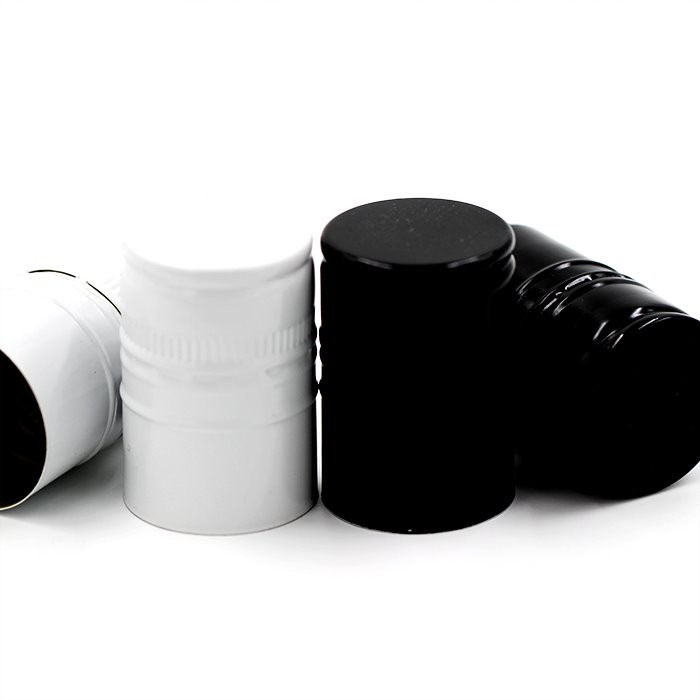
- Under - Torquing: If the cap is not tightened enough (under - torqued), there will be a gap between the cap and the bottle, allowing the product to leak. This can happen if the capping machine is not calibrated correctly or if the operator does not apply enough force when manually screwing the cap.
- Over - Torquing: On the other hand, over - torquing can also cause problems. Excessive force can damage the cap, the bottle, or the sealant. It may even cause the bottle to crack, leading to leakage. Use a torque wrench to ensure that the cap is tightened to the recommended torque specification. Different products and bottle - cap combinations may require different torque values, so it's essential to follow the guidelines.
4. Look for Contamination
Contamination on the bottle neck or the cap can prevent a proper seal.
- Debris on the Bottle Neck: Check the bottle neck for any debris, such as dust, dirt, or product residue. Even a small amount of debris can create a barrier between the cap and the bottle, preventing a tight seal. Clean the bottle neck thoroughly before capping to ensure a clean surface for the cap to seal against.
- Contamination in the Cap: Similarly, the inside of the cap should also be free of contaminants. If there is any foreign material in the cap, it can disrupt the seal. Inspect the caps during the manufacturing process and store them in a clean environment to prevent contamination.
5. Evaluate Environmental Factors
Environmental conditions can also affect the performance of bottle screw caps.
- Temperature and Humidity: Extreme temperatures and high humidity can cause the materials of the cap and the bottle to expand or contract. This can lead to changes in the fit between the cap and the bottle, resulting in leakage. For example, if a product is stored in a hot and humid environment, the plastic in the cap may soften, and the seal may be compromised. Consider the environmental conditions in which the product will be stored and ensure that the cap and bottle materials are suitable for those conditions.
- Pressure Changes: Changes in pressure, such as during transportation or storage at high altitudes, can also cause leakage. If the pressure inside the bottle is higher than the outside pressure, it can force the product out through any gaps in the seal. Some caps are designed to withstand pressure changes better than others, so choose the appropriate cap for your product.
6. Test the Caps
If you're still experiencing leakage issues after going through the above steps, it's time to conduct some tests.
- Leak Testing: There are several methods for leak testing bottle screw caps. One common method is the bubble test. Immerse the capped bottle in water and look for bubbles. If bubbles are present, it indicates that there is a leak. Another method is the pressure decay test, which measures the change in pressure inside the bottle over time. If the pressure drops significantly, it means there is a leak.
- Sample Testing: Take a sample of the caps and bottles and test them under different conditions. This can help you identify any potential issues before mass - production. You can also test the caps with different products to ensure that they are compatible.
Conclusion
Troubleshooting a leaking bottle screw cap requires a systematic approach. By inspecting the cap - bottle compatibility, the sealant, the torque, and looking for contamination and considering environmental factors, you can identify and resolve most leakage issues. As a bottle screw cap supplier, we are committed to providing high - quality caps that meet your specific needs. If you're facing any problems with your bottle screw caps or need assistance in choosing the right cap for your product, don't hesitate to contact us for procurement and further discussions.
References
- Packaging Machinery Manufacturers Institute (PMMI). "Best Practices for Capping and Sealing."
- ASTM International. "Standards for Packaging and Container Testing."