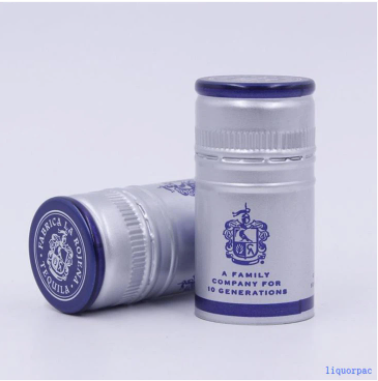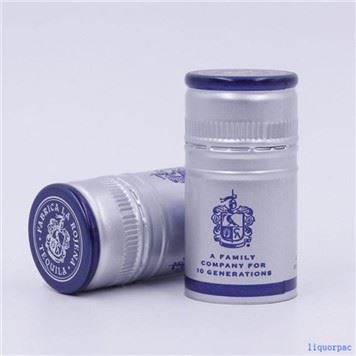

Hey there, wine enthusiasts and industry folks! Today, I'm gonna dive into a topic that's been buzzing in the wine world: how do screw caps stack up against flip - top caps for wine bottles? As a supplier of screw caps for wine, I've seen first - hand the debates and the changes in the market, so let's break it down.
The Good Old Days of Corks and the Rise of Alternatives
In the past, cork was the go - to closure for wine bottles. It had that classic, sophisticated look, and people associated it with high - end wines. But corks came with their fair share of problems. Cork taint, for example, was a huge headache. That musty, moldy smell that would ruin a perfectly good bottle of wine. It was estimated that cork taint affected anywhere from 2% to 7% of cork - sealed wines. That's a lot of wasted vino!
That's when alternatives like screw caps and flip - top caps started to gain traction. They offered a more reliable and consistent way to seal wine bottles. Let's start by taking a closer look at screw caps.
The Case for Screw Caps
One of the biggest advantages of screw caps is their ability to prevent oxygen from getting into the bottle. Oxygen is wine's arch - enemy. When wine is exposed to too much oxygen, it starts to oxidize. That means the colors fade, the flavors get flat, and the whole wine just loses its sparkle. Screw caps create a really tight seal, keeping oxygen out and preserving the wine's freshness.
I've spoken to many winemakers who love using screw caps. They don't have to worry about the variability of corks. They know that when a bottle is sealed with a screw cap, the wine inside will taste the same as it did when it was bottled. It also means less risk of customer complaints due to spoiled wine.
Another great thing about screw caps is the convenience factor. They're super easy to open. No more struggling with corkscrews or dealing with broken corks. You just twist it off, and you're ready to pour. This is especially important for consumers who want to enjoy a glass of wine right away, without any hassle.
And let's not forget about the environmental aspect. Cork production has its own set of environmental issues, like deforestation. Screw caps, on the other hand, can be made from recyclable materials like aluminum. They're a more sustainable choice for the planet.
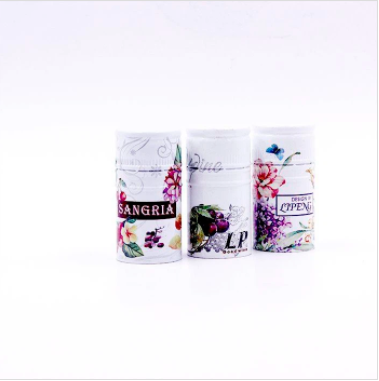
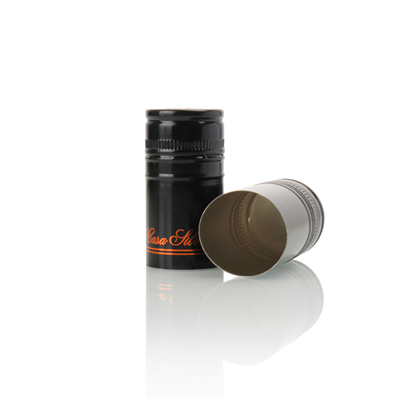
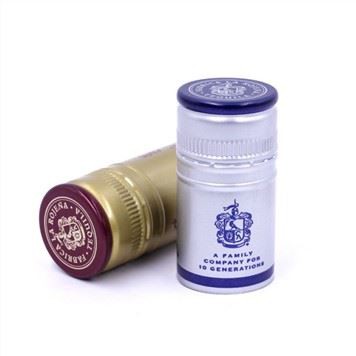
If you're interested in some of the high - quality screw caps we offer, check out our Aluminum Plastic Cap With Glassball and 30*60mm Hot Stamping Aluminum Cap. These caps not only provide a great seal but also look really stylish on wine bottles.
Flip - Top Caps: A Different Approach
Flip - top caps have their own unique charm. They give a wine bottle a more modern, trendy look. They're often used for wines that are meant to be consumed young and fresh, like some rosés and light whites.
One of the benefits of flip - top caps is that they're very user - friendly. You can open and close the bottle multiple times without any tools. It's great for those who want to have a glass of wine one day and then save the rest for later. The flip - top design makes it easy to reseal the bottle and keep the wine fresh for a little while longer.
However, flip - top caps may not be as effective as screw caps when it comes to long - term storage. They may allow a small amount of oxygen to enter the bottle over time. So, if you're planning to age a wine for several years, a screw cap might be a better choice.
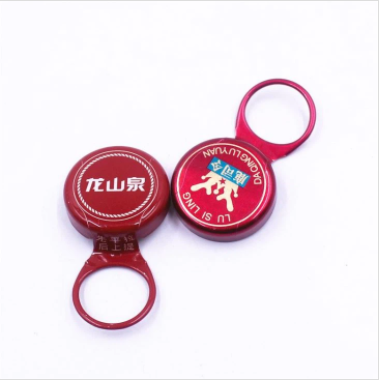
We also offer a 33*47mm Ropp Aluminum Cap which can be used in some creative flip - top closure designs. It provides a balance between style and functionality.
Market Trends and Consumer Preferences
In recent years, the market has seen a significant shift towards screw caps. More and more winemakers are choosing screw caps, especially for their entry - level and mid - range wines. Consumers are also becoming more accepting of screw caps. They're starting to realize that the closure doesn't necessarily mean a lower - quality wine.
That being said, there's still a place for flip - top caps in the market. They're great for wines that target a younger, more casual audience. Many consumers like the novelty and convenience of flip - top caps.
Making the Decision
So, how do you decide whether to use screw caps or flip - top caps for your wine bottles? Well, it depends on a few factors.
First, think about the type of wine you're making. If it's a wine that's meant to be aged, screw caps are probably the way to go. They'll keep the wine in its best condition for longer. If it's a young, fresh wine that's meant to be consumed soon, a flip - top cap could be a good option.
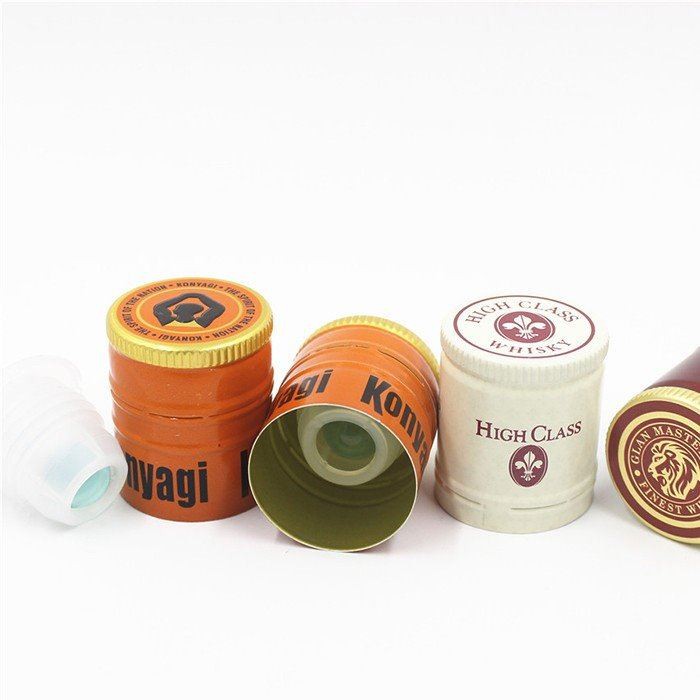
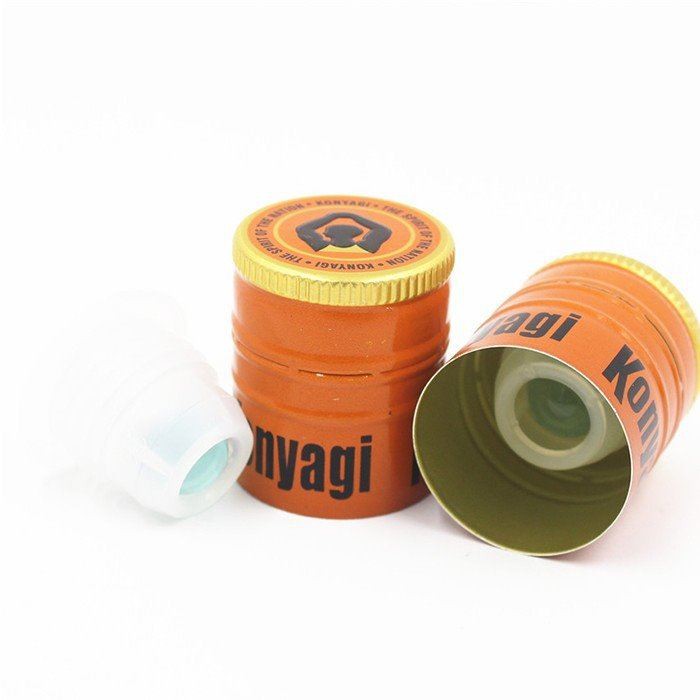
Second, consider your target audience. If your customers are more traditional and associate cork or a classic look with quality, they might be more hesitant about screw caps. But if you're targeting a younger, more modern crowd, they might be more open to both screw caps and flip - top caps.
Lastly, think about your brand image. Screw caps can give your wine a more contemporary, reliable image. Flip - top caps can make it seem more fun and trendy.
Why Choose Our Screw Caps
As a supplier of screw caps for wine, we take pride in offering high - quality products. Our caps are made from top - notch materials that ensure a perfect seal every time. We have a wide range of designs and colors to choose from, so you can find the cap that matches your brand's style.
We also understand the importance of customization. Whether you want your logo on the cap or a unique color scheme, we can work with you to make it happen. Our team is always ready to support you, from the initial design phase to the final delivery.
If you're in the wine business and looking for a reliable closure solution, we'd love to talk to you. Whether you're interested in screw caps or want to explore flip - top cap options, we've got you covered. Reach out to us to start a conversation about your specific needs. We're here to help you make the best choice for your wine bottles and your brand.
References
- "The Science of Wine Closures" by Dr. Andrew Waterhouse
- "Wine Business Monthly" - various articles on wine closures and market trends
- "The Oxford Companion to Wine" for general wine and closure knowledge