
In the dynamic world of wine, the choice of closure plays a pivotal role in preserving the integrity and enhancing the overall experience of different wine blends. As a dedicated Wine Bottle Screw Top supplier, I've witnessed firsthand the intricate relationship between screw tops and various wine mixtures. This blog aims to delve into how these modern closures interact with different wine blends, unlocking the secrets behind their compatibility and benefits.
The Science Behind Wine Bottle Screw Tops
Before we explore the interaction with wine blends, it's essential to understand the science behind wine bottle screw tops. Unlike traditional corks, screw tops are made from materials such as aluminum, which provide an airtight seal. This seal is crucial as it prevents oxidation, a process that can significantly alter the taste and aroma of wine over time. Oxidation occurs when wine comes into contact with oxygen, leading to the breakdown of its chemical compounds. Screw tops effectively minimize this contact, preserving the wine's freshness and flavor profile.
Another advantage of screw tops is their consistency. Corks can vary in quality, leading to issues such as cork taint, which is caused by a chemical compound called TCA (2,4,6-trichloroanisole). This compound can give wine an unpleasant musty smell and taste, ruining the drinking experience. Screw tops eliminate this risk, ensuring that every bottle of wine maintains its intended flavor.
Interaction with Red Wine Blends
Red wine blends are a complex combination of different grape varieties, each contributing unique flavors and aromas. The interaction between screw tops and red wine blends is particularly interesting due to the high tannin content in red wines. Tannins are natural compounds found in grape skins, seeds, and stems, and they play a crucial role in the aging process of red wines.
When a red wine blend is sealed with a screw top, the airtight seal slows down the oxidation process, allowing the tannins to soften gradually over time. This results in a smoother and more balanced flavor profile. For example, a Cabernet Sauvignon and Merlot blend, which is known for its bold tannins and rich fruit flavors, can benefit greatly from the use of a screw top. The closure helps to preserve the wine's fruitiness while allowing the tannins to mellow, creating a harmonious drinking experience.
In addition, screw tops can enhance the preservation of the wine's color. Red wines get their color from anthocyanins, which are sensitive to oxidation. By minimizing oxygen exposure, screw tops help to maintain the wine's vibrant red hue, making it more visually appealing.
Interaction with White Wine Blends
White wine blends are typically lighter and more delicate than red wine blends, with a focus on floral and fruity flavors. The interaction between screw tops and white wine blends is centered around preserving these delicate flavors and preventing spoilage.
White wines are more prone to oxidation than red wines, as they have lower tannin levels. Screw tops provide an excellent solution by creating a tight seal that keeps oxygen out. This is especially important for white wine blends that contain varieties such as Sauvignon Blanc and Riesling, which are known for their crisp acidity and fresh fruit flavors. The screw top helps to maintain these flavors, ensuring that the wine retains its refreshing character.
Furthermore, screw tops can prevent the development of off-flavors in white wine blends. For instance, some white wines can develop a “cooked” or “stale” flavor when exposed to too much oxygen. By using a screw top, winemakers can avoid this issue and ensure that the wine tastes as fresh as the day it was bottled.
Interaction with Sparkling Wine Blends
Sparkling wine blends, such as Champagne and Prosecco, present a unique challenge when it comes to closures. These wines are carbonated, which means they require a closure that can withstand the pressure inside the bottle. Screw tops have become an increasingly popular choice for sparkling wine producers due to their ability to provide a reliable seal.
When a sparkling wine blend is sealed with a screw top, it prevents the escape of carbon dioxide, which is responsible for the wine's bubbles. This ensures that the wine remains fizzy and refreshing. In addition, screw tops are easier to open and close than traditional Champagne corks, making them more convenient for consumers.
However, it's important to note that the interaction between screw tops and sparkling wine blends is still a topic of debate among some wine enthusiasts. Some argue that the traditional cork provides a more elegant and authentic experience, while others appreciate the practicality and consistency of screw tops. As a supplier, I believe that both options have their merits, and it ultimately comes down to the preferences of the winemaker and the consumer.
Our Product Range
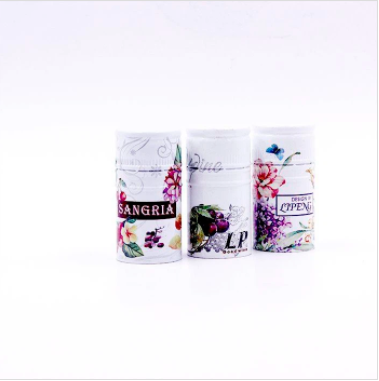
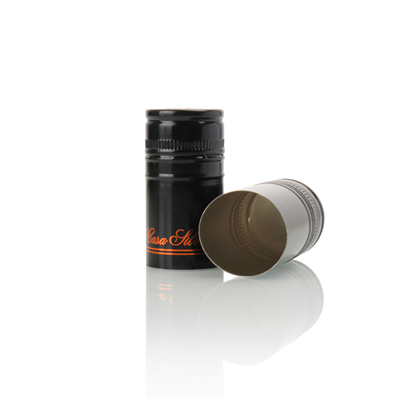
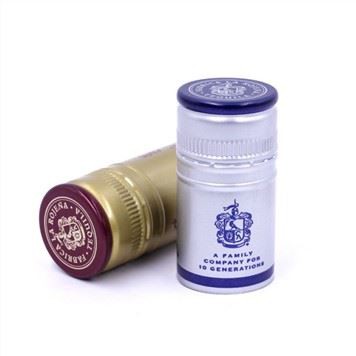
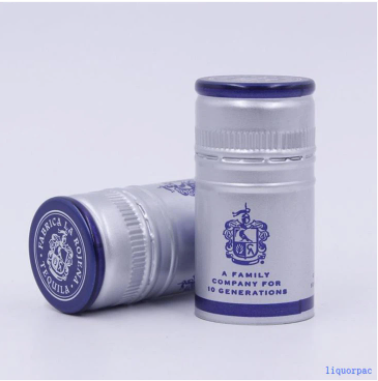
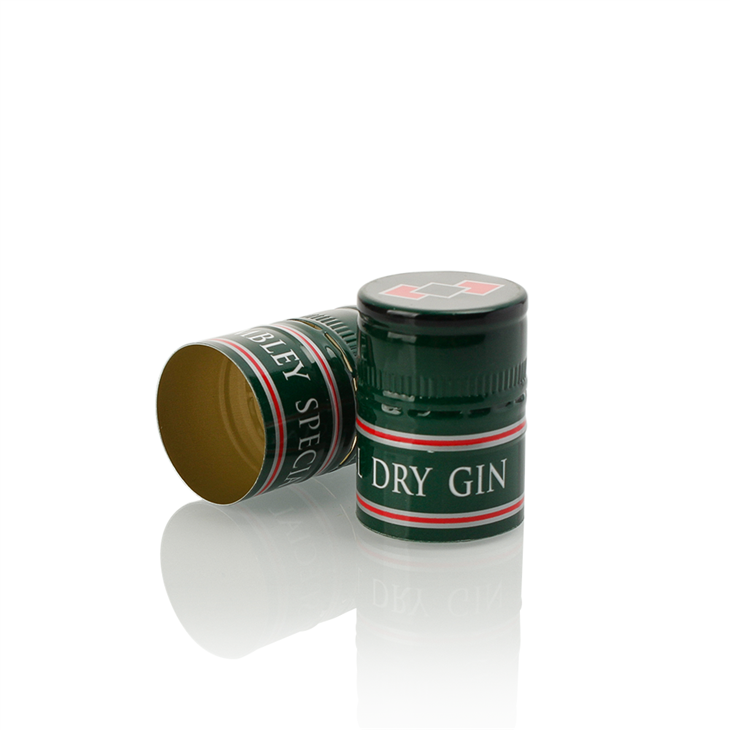
As a Wine Bottle Screw Top supplier, we offer a wide range of screw tops to suit different wine blends and bottle sizes. Our products are made from high-quality materials, ensuring a reliable and airtight seal. We also provide customization options, allowing winemakers to choose the color, design, and branding of their screw tops.
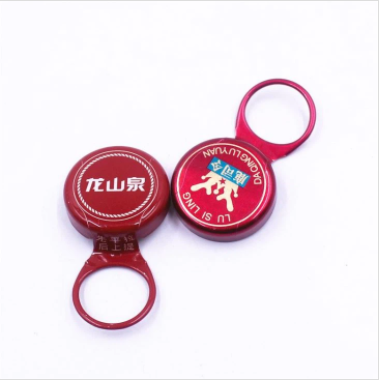
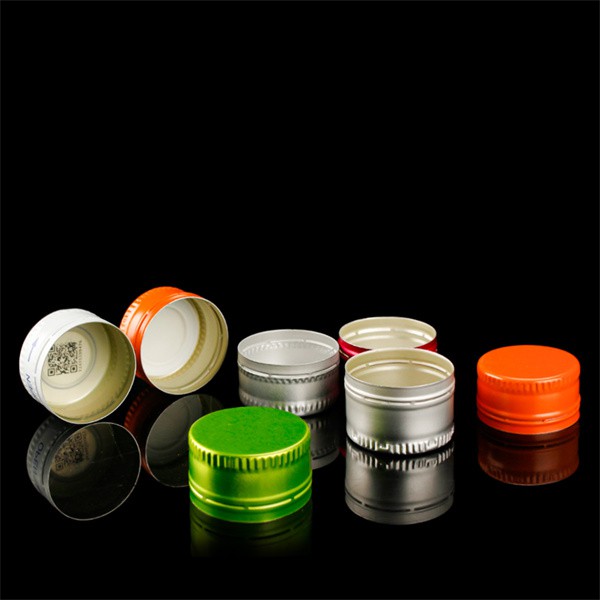
In addition to our wine bottle screw tops, we also offer other types of bottle caps, such as the Mineral Spring Water 28mm Aluminum Cap, the Pilfer Proof Aluminium Screw Cap, and the 31.5*44mm Aluminum Glass Bottle Caps. These caps are suitable for a variety of beverages, including water, juice, and spirits.
Conclusion
In conclusion, the interaction between wine bottle screw tops and different wine blends is a fascinating topic that has significant implications for the wine industry. Screw tops offer numerous benefits, including preventing oxidation, eliminating cork taint, and providing a consistent seal. Whether it's a red wine blend, a white wine blend, or a sparkling wine blend, screw tops can enhance the flavor, aroma, and overall quality of the wine.
As a Wine Bottle Screw Top supplier, we are committed to providing high-quality products that meet the needs of our customers. If you're a winemaker looking for a reliable and innovative closure solution for your wine blends, we'd love to hear from you. Contact us today to discuss your requirements and explore our product range. We look forward to working with you to create a better wine experience for your customers.
References
- Robinson, J. (2006). The Oxford Companion to Wine. Oxford University Press.
- Jackson, R. S. (2008). Wine Science: Principles and Applications. Academic Press.
- Reynolds, A. G., & Wardle, D. A. (2012). Wine Microbiology and Biotechnology. Springer.