
As a supplier of glass bottle caps, I've got a lot of experience in making these little guys as air - tight as possible. Air - tightness is super important when it comes to bottle caps. Whether it's a fancy bottle of wine, a delicious sauce, or your favorite soda, keeping the air out can really extend the shelf life of the product inside and maintain its quality.
Understanding the Basics of Air - Tightness
First things first, we need to understand how air gets in and out of a bottle. There are mainly two ways: through the gap between the cap and the bottle neck and through any pores or tiny holes in the cap material. To make a glass bottle cap more air - tight, we've got to address both of these issues.
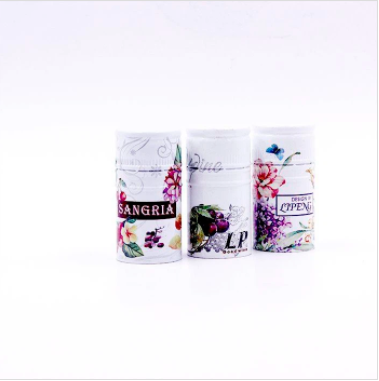
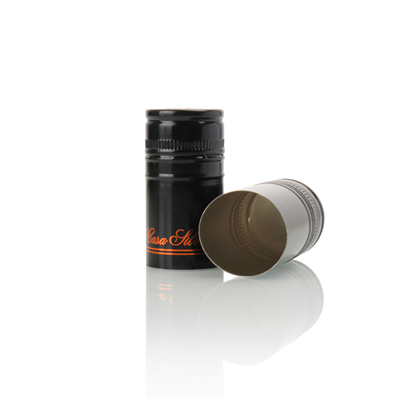
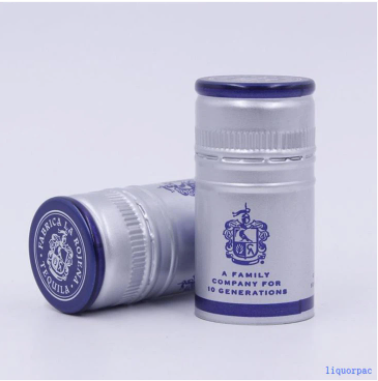
One of the key factors is the manufacturing process. High - quality materials are a must. For example, we use top - notch aluminum alloys for most of our caps. Aluminum is not only lightweight but also corrosion - resistant. It can form a strong and durable seal when properly applied to the bottle. Take our Aluminum 28mm ROPP Closure, which is made from high - grade aluminum. The manufacturing process ensures that the cap fits snugly around the bottle neck, minimizing the possibility of air leakage.
Design Features for Air - Tightness
The design of the cap plays a crucial role. A well - designed cap should have specific features that enhance its sealing ability.
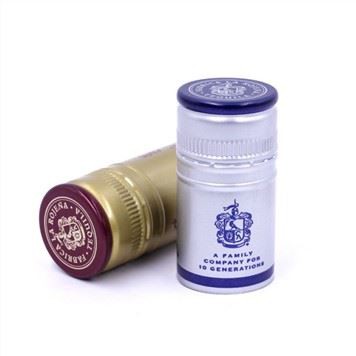
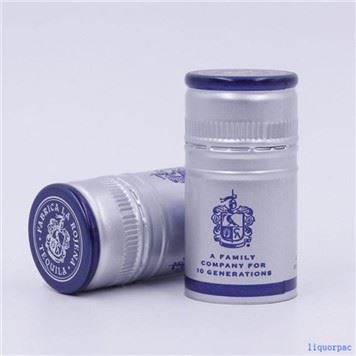
Threading is one important aspect. The threads on the cap and the bottle neck need to match precisely. If the threads are too loose, air can easily seep in. But if they're too tight, it might be difficult to open the bottle. We've spent a lot of time perfecting the threading on our caps. For instance, the Silver ROPP Aluminum Caps have a carefully engineered thread pattern that allows for a tight fit while still being easy to twist on and off.
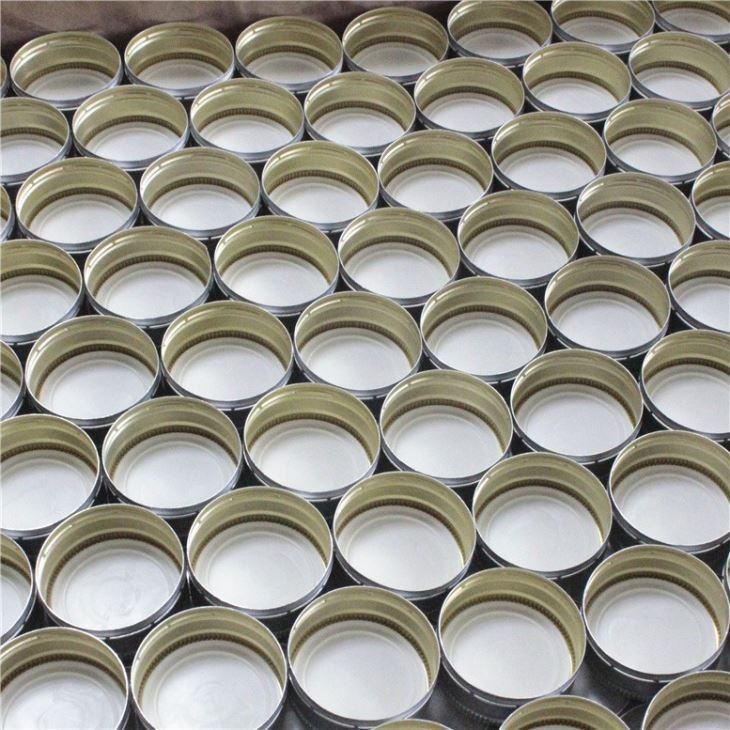
Another important design element is the liner. The liner is the inner part of the cap that comes into contact with the bottle opening. It acts as an extra barrier against air. We use different types of liners depending on the product the bottle will hold. For example, for food products, we use food - grade liners that are non - toxic and can form a good seal. The liner material can range from foam to plastic. Foam liners are great because they can compress and fill any small gaps between the cap and the bottle, providing an excellent air - tight seal.
Quality Control Measures
Making sure each cap is air - tight requires strict quality control. We have a multi - step quality control process in place.
First, we check the raw materials. Before starting the manufacturing process, we test the aluminum and liner materials to ensure they meet our high standards. We look for things like strength, flexibility, and the absence of any defects.
During the manufacturing process, we use automated inspection systems. These systems can detect even the smallest flaws in the caps, such as uneven threading or a damaged liner. Any defective caps are immediately removed from the production line.
After the caps are finished, we conduct additional tests. One common test is the pressure test. We seal the caps on bottles filled with a specific amount of air and then measure the pressure change over time. If the pressure drops significantly, it means the cap is not air - tight enough, and we'll analyze the problem and make improvements.
The Impact of Environmental Factors
Environmental factors can also affect the air - tightness of glass bottle caps. Temperature and humidity are two important factors.
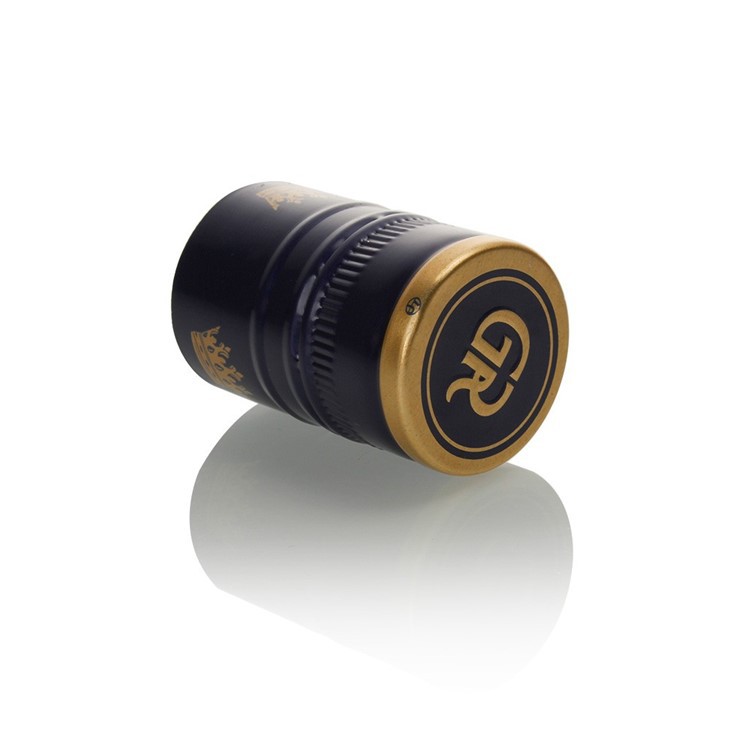
In hot temperatures, the materials in the cap and the bottle can expand. This expansion can either make the seal tighter or looser, depending on the materials and the design of the cap. For example, some aluminum caps might expand more than the glass bottle, causing a slight gap. To counter this, we design our caps with the ability to adapt to temperature changes. Our 3347mm Aluminum Wine Bottle Caps are engineered to maintain a good seal even in varying temperatures.
Humidity can also have an impact. If the cap and the bottle are exposed to high humidity for a long time, the materials can absorb moisture, which might affect the seal. That's why we make sure our caps are resistant to moisture. We coat some of our aluminum caps with a special protective layer to prevent moisture absorption.
Customer - Specific Requirements
We understand that different customers have different requirements when it comes to air - tightness. For example, a winery might need a very high - level air - tight seal to preserve the flavor and quality of their wine for a long time. On the other hand, a juice company might have slightly different requirements.
We work closely with our customers to understand their specific needs. We can customize the caps in terms of size, material, and design to meet those needs. Whether you need a cap with extra - thick liner for better air - tightness or a unique threading pattern, we can make it happen.
Tips for Using Our Air - Tight Caps
If you're using our glass bottle caps, here are some tips to ensure maximum air - tightness.
First, make sure the bottle neck is clean before applying the cap. Any dirt or debris can prevent a proper seal. Second, when twisting the cap on, make sure to do it firmly but not too tightly. Over - tightening can damage the cap or the liner, which might actually reduce the air - tightness.
In conclusion, making a glass bottle cap more air - tight is a combination of using high - quality materials, having a well - designed structure, implementing strict quality control, and considering environmental factors. We at [supplier situation] are committed to providing you with the best air - tight glass bottle caps on the market. If you're interested in our products or have any special requirements, feel free to reach out to us for a procurement discussion.
References
- Brown, J. (2018). "Advanced Packaging Materials and Their Sealing Properties". Packaging Journal.
- Green, M. (2020). "The Impact of Environmental Conditions on Bottle Cap Seals". Food Packaging Review.