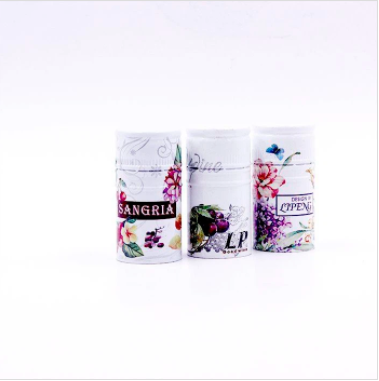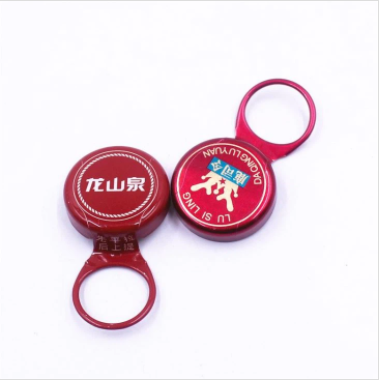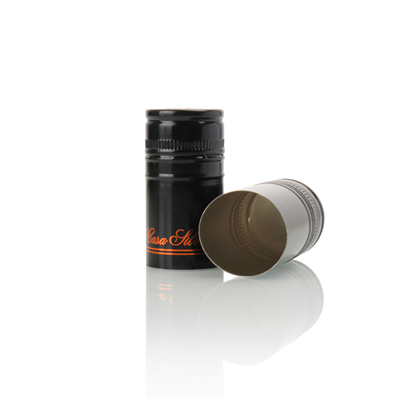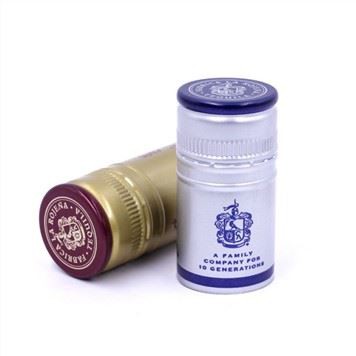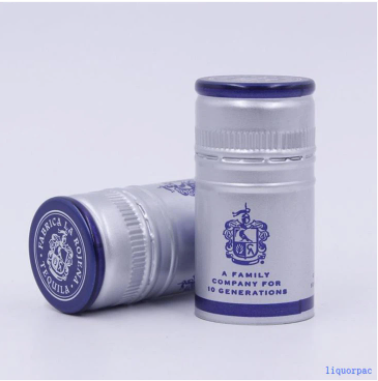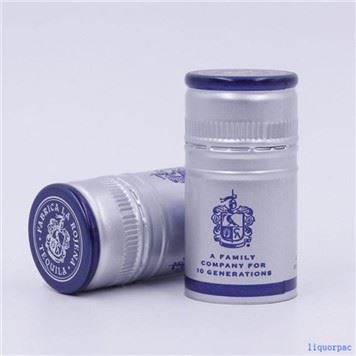

As a leading supplier of Aluminum Plastic Caps, I understand the critical importance of preventing leakage from these caps. Leakage not only compromises the integrity of the product inside the container but also leads to customer dissatisfaction and potential loss of business. In this blog post, I will share some effective strategies and best practices to prevent leakage from an aluminum plastic cap.
Understanding the Causes of Leakage
Before we delve into the prevention methods, it's essential to understand the common causes of leakage. These can be broadly categorized into design, manufacturing, and application issues.
Design Issues
- Inadequate Seal Design: The seal is the primary barrier against leakage. If the seal design is not optimized, it may not provide a tight fit, allowing liquid or gas to escape. For example, a poorly designed gasket may not conform to the shape of the bottle opening, leaving gaps for leakage.
- Improper Cap Dimensions: Caps that are too large or too small for the bottle opening can also lead to leakage. A cap that is too large may not fit snugly, while a cap that is too small may not be able to create a proper seal.
Manufacturing Issues
- Material Defects: Defects in the aluminum or plastic materials used to make the cap can cause leakage. For instance, cracks, holes, or uneven surfaces in the cap can compromise the seal.
- Inconsistent Manufacturing Processes: Variations in the manufacturing process can result in caps with inconsistent dimensions or seal quality. This can lead to leakage, especially if the caps are not properly inspected before being shipped.
Application Issues
- Improper Installation: If the cap is not installed correctly, it may not form a proper seal. This can happen if the cap is not tightened enough or if it is over-tightened, causing damage to the seal.
- Environmental Factors: Extreme temperatures, humidity, and pressure can also affect the performance of the cap. For example, high temperatures can cause the plastic to expand, while low temperatures can make it brittle, both of which can lead to leakage.
Prevention Strategies
Now that we understand the causes of leakage, let's explore some strategies to prevent it.
Design Optimization
- Choose the Right Seal Material: The choice of seal material is crucial for preventing leakage. Silicone, rubber, and cork are commonly used seal materials, each with its own advantages and disadvantages. Silicone is highly resistant to temperature and chemicals, while rubber is flexible and provides a good seal. Cork is a natural material that is porous and can absorb some of the liquid, but it may not be suitable for all applications.
- Optimize the Seal Design: The seal design should be optimized to provide a tight fit and prevent leakage. This can be achieved by using a gasket with a proper shape and thickness, or by incorporating a sealing lip or ridge into the cap design.
- Ensure Proper Cap Dimensions: The cap dimensions should be carefully designed to match the bottle opening. This can be achieved by using precision manufacturing techniques and conducting thorough quality control checks.
Manufacturing Quality Control
- Use High-Quality Materials: Using high-quality aluminum and plastic materials is essential for preventing leakage. The materials should be free from defects and have consistent properties.
- Implement Strict Manufacturing Processes: The manufacturing process should be carefully controlled to ensure that the caps are produced with consistent dimensions and seal quality. This can be achieved by using automated manufacturing equipment and conducting regular inspections.
- Conduct Thorough Quality Control Checks: Before the caps are shipped, they should be thoroughly inspected to ensure that they meet the required quality standards. This can include visual inspections, leak tests, and dimensional measurements.
Proper Application and Handling
- Provide Clear Installation Instructions: To ensure that the caps are installed correctly, clear installation instructions should be provided to the customers. This can include information on how to tighten the cap, the recommended torque, and any special handling instructions.
- Train Customers on Proper Handling: Customers should also be trained on how to handle the caps properly to prevent damage. This can include information on how to store the caps, how to avoid dropping or crushing them, and how to clean them if necessary.
- Consider Environmental Factors: When designing and using the caps, it's important to consider the environmental factors that may affect their performance. For example, if the product will be stored in a high-temperature environment, a cap with a heat-resistant seal material should be used.
Case Studies
To illustrate the effectiveness of these prevention strategies, let's look at some case studies.
Case Study 1: A Whiskey Manufacturer
A whiskey manufacturer was experiencing leakage issues with their aluminum plastic caps. After conducting a thorough analysis, it was found that the seal design was inadequate and the caps were not being tightened enough. To address these issues, the manufacturer worked with us to optimize the seal design and provide clear installation instructions to their bottling operators. As a result, the leakage rate was significantly reduced, and customer satisfaction improved.


Case Study 2: A Wine Producer
A wine producer was using aluminum plastic caps for their premium wines. However, they were experiencing leakage issues due to the high pressure inside the bottles. To solve this problem, we recommended using a cap with a thicker seal and a higher torque rating. We also provided the producer with training on how to properly install the caps to ensure a tight seal. After implementing these changes, the leakage rate was reduced to almost zero, and the producer was able to maintain the quality of their wines.
Conclusion
Preventing leakage from an aluminum plastic cap is a critical aspect of ensuring the quality and integrity of the product inside the container. By understanding the causes of leakage and implementing the prevention strategies outlined in this blog post, you can significantly reduce the risk of leakage and improve customer satisfaction.
If you are interested in learning more about our Aluminum Plastic Caps or have any questions about preventing leakage, please feel free to contact us for a consultation. We would be happy to discuss your specific needs and provide you with the best solutions.
References
- ASTM International. (2021). Standard Test Methods for Determining Leakage Rates Through Packaging Seals and Closures. Retrieved from https://www.astm.org/
- Packaging Machinery Manufacturers Institute. (2021). Best Practices for Packaging Sealing and Closure Systems. Retrieved from https://www.pmmi.org/
- Smith, J. (2020). The Importance of Proper Cap Installation in Preventing Leakage. Packaging World. Retrieved from https://www.packworld.com/