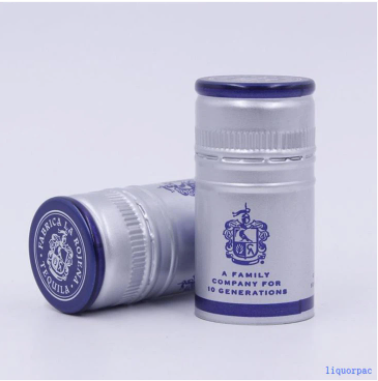

Removing the liner from a soda bottle cap may seem like a trivial task, but it's a process that requires a certain level of understanding and precision, especially when you're dealing with large - scale operations as a soda bottle caps supplier. In this blog, I'll share some effective methods to remove the liner from a soda bottle cap, along with insights into why this process might be necessary.
Why Remove the Liner from a Soda Bottle Cap?
Before delving into the removal methods, it's important to understand the reasons behind this process. Liners in soda bottle caps serve multiple purposes, such as providing a tight seal to prevent carbonation loss and protecting the beverage from external contaminants. However, there are scenarios where removing the liner becomes essential.
For instance, in recycling operations, separating the liner from the cap can significantly improve the recycling efficiency. Different materials used in the liner and the cap may require distinct recycling processes. By removing the liner, we can ensure that each component is recycled properly, reducing waste and promoting environmental sustainability.
Another reason could be in quality control or product development. Sometimes, manufacturers may need to test the performance of the cap without the liner or make modifications to the liner design. Removing the liner allows for a more detailed analysis of the cap's properties and functionality.
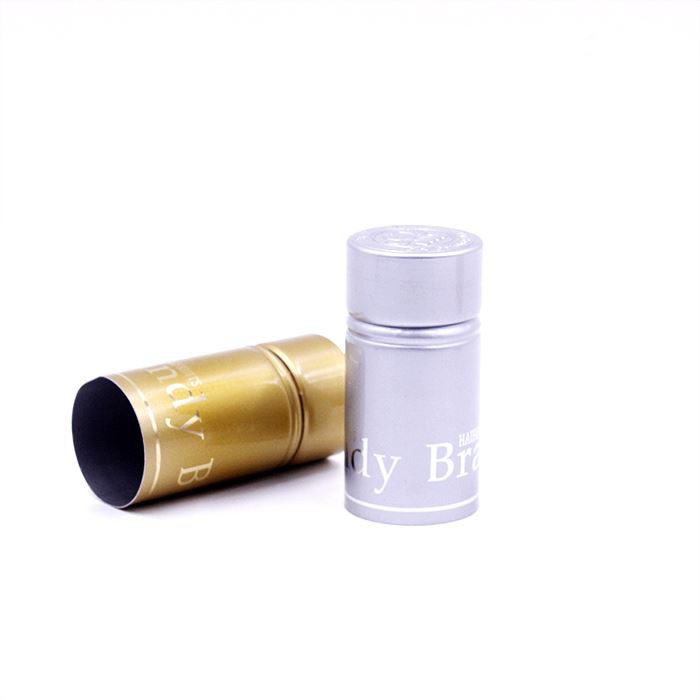

Methods of Removing the Liner
Manual Removal
Manual removal is the most straightforward method, suitable for small - scale operations or when you need to inspect individual caps. All you need is a pair of tweezers or a small flat - head screwdriver.
First, place the soda bottle cap on a flat surface with the liner side facing up. Gently insert the tip of the tweezers or the screwdriver under the edge of the liner. Be careful not to damage the cap during this process. Once the tool is inserted, slowly lift the liner, starting from one side and working your way around the cap. This method requires patience and precision, as the liner can be thin and delicate.
However, manual removal is time - consuming and not practical for large - scale production. It also has a higher risk of damaging the cap or leaving liner residues.
Heat Treatment
Heat treatment is a more efficient method for removing liners from a large number of soda bottle caps. This method works by softening the adhesive that holds the liner in place, making it easier to separate the liner from the cap.
One way to use heat treatment is by using a heat gun. Set the heat gun to a moderate temperature and hold it a few inches away from the cap. Move the heat gun in a circular motion around the cap to ensure even heating. As the adhesive softens, you can use a pair of pliers or a similar tool to grip the liner and pull it off.
Another option is to use an oven. Place the caps on a baking sheet and preheat the oven to a temperature just high enough to soften the adhesive but not damage the cap. Keep a close eye on the caps during the heating process, as overheating can cause the cap to deform. Once the adhesive is softened, remove the caps from the oven and use a tool to remove the liners.
Chemical Solvents
Chemical solvents can also be used to dissolve the adhesive that holds the liner in place. This method is effective but requires careful handling due to the potential hazards associated with chemicals.
First, choose a suitable solvent that can dissolve the adhesive without damaging the cap. Acetone is a common solvent used for this purpose, but it has a strong odor and is flammable, so it should be used in a well - ventilated area.
Immerse the caps in a container filled with the solvent for a certain period, depending on the type of adhesive and the solvent used. After the adhesive has dissolved, use a brush or a similar tool to remove any remaining liner residues. Rinse the caps thoroughly with water to remove the solvent and dry them before further use.
Considerations for Soda Bottle Cap Suppliers
As a soda bottle cap supplier, we need to ensure that the liner removal process does not compromise the quality of the caps. The caps should maintain their structural integrity and sealing performance after the liner is removed.
When choosing a liner removal method, we also need to consider the cost, efficiency, and environmental impact. For example, heat treatment may require a significant amount of energy, while chemical solvents can pose environmental and safety risks.
In addition, we need to ensure that the removed liners are properly disposed of or recycled. This not only helps to reduce waste but also aligns with our commitment to environmental sustainability.
Our Product Range
At our company, we offer a wide range of soda bottle caps to meet the diverse needs of our customers. Our 28mm Pet Preform Bottle Caps are designed with high - quality materials to provide a tight seal and excellent durability. These caps are suitable for various carbonated beverages and are available in different colors and designs.
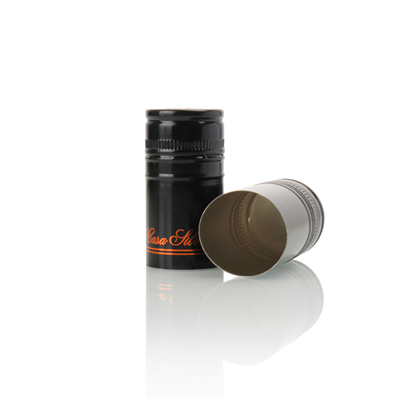
We also provide 31.5x24mm Olive Oil Aluminum Plastic Caps, which are specifically designed for olive oil bottles. These caps have a unique liner design to prevent leakage and maintain the freshness of the olive oil.
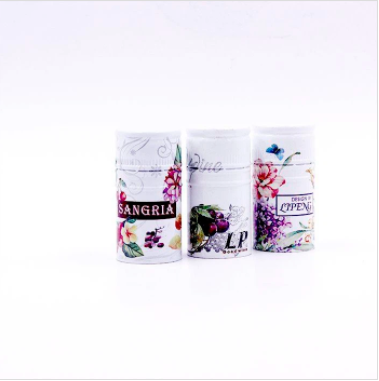
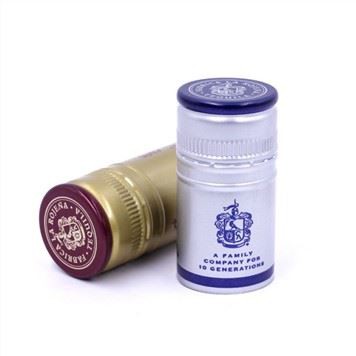
For wine products, our Wine Foil Caps offer an elegant and secure solution. The foil caps not only provide a tight seal but also add a touch of sophistication to the wine bottles.
Contact Us for Procurement
If you're interested in our soda bottle caps or have any questions about liner removal or our products, we encourage you to contact us for procurement discussions. We have a team of experts who can provide you with detailed information and customized solutions based on your specific requirements. Whether you're a small - scale beverage manufacturer or a large - scale distributor, we're committed to providing you with high - quality products and excellent service.
References
- "Bottle Closure Technology" by a leading industry expert.
- Research papers on recycling and waste management in the packaging industry.