
In the contemporary packaging industry, plastic caps are ubiquitous, firmly holding their ground as a staple for sealing various containers. As a seasoned plastic caps supplier, I've witnessed firsthand the widespread use of plastic caps across diverse sectors, from food and beverage to pharmaceuticals and cosmetics. However, the environmental impact of plastic waste has become a pressing global concern, prompting a growing demand for alternative materials that can offer comparable functionality while minimizing harm to the planet. In this blog post, I'll explore some of the most promising alternative materials for plastic caps and discuss their potential to revolutionize the packaging industry.
The Environmental Impact of Plastic Caps
Before delving into alternative materials, it's essential to understand the environmental challenges associated with traditional plastic caps. Plastic is a synthetic polymer derived from petrochemicals, which are non-renewable resources. The production of plastic caps consumes vast amounts of energy and releases greenhouse gases into the atmosphere, contributing to climate change. Moreover, plastic caps are often single-use items, discarded after a single use and ending up in landfills, oceans, and other natural environments.
Plastic waste poses a significant threat to wildlife, as animals can mistake plastic caps for food and ingest them, leading to internal injuries, starvation, and death. Additionally, plastic caps can take hundreds of years to decompose, persisting in the environment and accumulating over time. The growing awareness of these environmental issues has spurred a global movement towards sustainable packaging solutions, and the search for alternative materials for plastic caps has gained momentum.
Alternative Materials for Plastic Caps
- Biodegradable Plastics
Biodegradable plastics are a type of plastic that can be broken down by microorganisms into natural substances such as water, carbon dioxide, and biomass under specific environmental conditions. These plastics are typically made from renewable resources such as corn starch, sugarcane, or cellulose, making them a more sustainable alternative to traditional plastics. Biodegradable plastic caps offer similar performance characteristics to conventional plastic caps, including durability,密封性, and resistance to moisture and chemicals.
One example of a biodegradable plastic is polylactic acid (PLA), which is derived from lactic acid monomers produced by fermenting renewable resources such as corn starch or sugarcane. PLA has a high strength-to-weight ratio and excellent clarity, making it suitable for a wide range of packaging applications, including plastic caps. Another biodegradable plastic is polyhydroxyalkanoates (PHA), which are synthesized by microorganisms from renewable carbon sources. PHA has excellent biodegradability and biocompatibility, making it an attractive option for food and beverage packaging.
- Paper and Cardboard
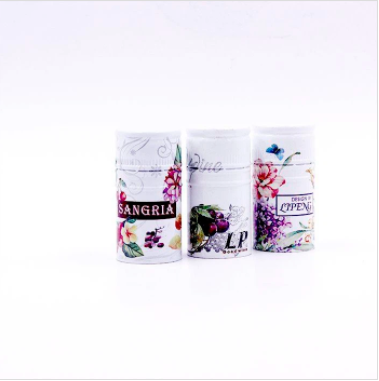
Paper and cardboard are renewable and biodegradable materials that have been used for packaging for centuries. While paper and cardboard may not seem like obvious choices for plastic caps, recent advancements in technology have made it possible to create paper-based caps that are both functional and sustainable. Paper caps can be made from a variety of materials, including recycled paper, kraft paper, and cardboard, and can be coated with a thin layer of wax or polymer to improve their moisture resistance and durability.
Paper caps offer several advantages over plastic caps, including their renewable nature, biodegradability, and recyclability. They are also lightweight and easy to transport, reducing the carbon footprint associated with packaging. Additionally, paper caps can be customized with various printing techniques, allowing for branding and product differentiation. However, paper caps may not be suitable for all applications, as they may not provide the same level of 密封性 and protection as plastic caps, especially for products that require a high level of moisture or oxygen barrier.
- Metal
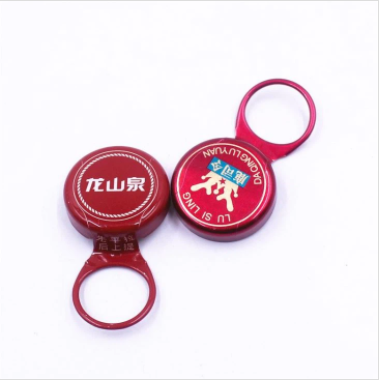
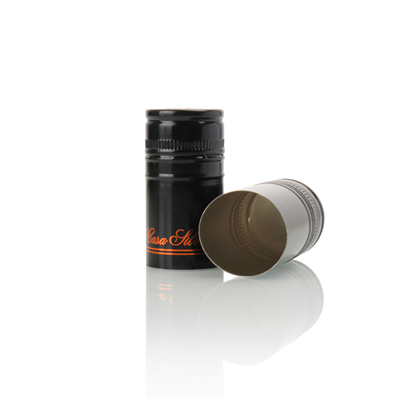
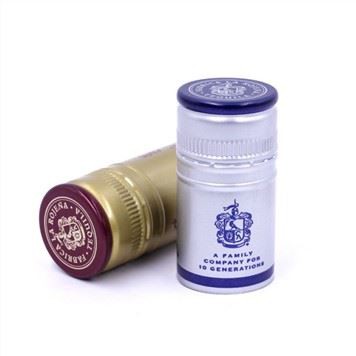
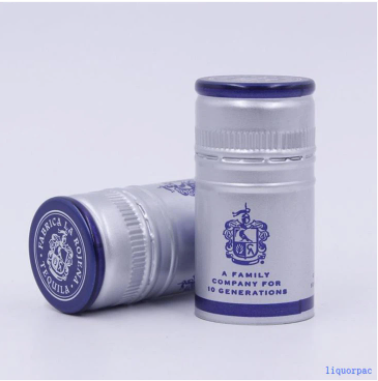
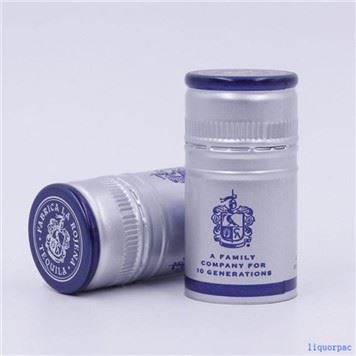
Metal caps have been used for packaging for many years and are known for their durability, strength, and resistance to corrosion. Metal caps can be made from a variety of materials, including aluminum, tinplate, and stainless steel, and can be customized with various finishes and coatings to enhance their appearance and performance. Metal caps offer several advantages over plastic caps, including their recyclability, long lifespan, and ability to provide a high level of 密封性 and protection.
Aluminum caps are particularly popular in the beverage industry, as they are lightweight, easy to open, and can be recycled indefinitely without losing their quality. Tinplate caps are commonly used for food and beverage packaging, as they provide excellent corrosion resistance and can be easily printed with branding and product information. Stainless steel caps are often used for high-end products, such as cosmetics and pharmaceuticals, as they offer a premium look and feel and are resistant to scratches and tarnishing. However, metal caps may be more expensive than plastic caps, and their production requires more energy and resources.
- Glass
Glass caps are a classic and elegant option for packaging, known for their transparency, durability, and resistance to chemicals. Glass caps can be made from a variety of materials, including soda-lime glass, borosilicate glass, and lead crystal, and can be customized with various shapes, sizes, and finishes to suit different packaging requirements. Glass caps offer several advantages over plastic caps, including their recyclability, inertness, and ability to provide a high level of 密封性 and protection.
Glass caps are commonly used for high-end products, such as perfumes, wines, and spirits, as they provide a premium look and feel and can enhance the perceived value of the product. Glass caps are also popular in the food and beverage industry, as they are non-toxic and do not leach any harmful chemicals into the product. However, glass caps are heavier and more fragile than plastic caps, which can increase the cost of transportation and packaging. Additionally, glass caps may not be suitable for all applications, as they may not provide the same level of flexibility and ease of use as plastic caps.
Our Product Offerings
As a plastic caps supplier, we understand the importance of sustainability and are committed to providing our customers with a range of alternative materials for plastic caps. We offer a variety of biodegradable plastic caps, including PLA and PHA caps, which are suitable for a wide range of packaging applications. Our biodegradable plastic caps are available in various sizes, shapes, and colors, and can be customized with your logo and branding.
In addition to biodegradable plastic caps, we also offer paper and cardboard caps, which are renewable and biodegradable alternatives to plastic caps. Our paper and cardboard caps are made from high-quality materials and can be coated with a thin layer of wax or polymer to improve their moisture resistance and durability. We also offer metal caps, including aluminum, tinplate, and stainless steel caps, which are known for their durability, strength, and resistance to corrosion. Our metal caps are available in various finishes and coatings, and can be customized with your logo and branding.
Finally, we offer glass caps, which are a classic and elegant option for packaging. Our glass caps are made from high-quality glass and can be customized with various shapes, sizes, and finishes to suit different packaging requirements. We also offer a range of accessories for our glass caps, including corks, stoppers, and seals, to provide a complete packaging solution.
Conclusion
The search for alternative materials for plastic caps is an ongoing process, driven by the growing demand for sustainable packaging solutions. Biodegradable plastics, paper and cardboard, metal, and glass are all promising alternatives to traditional plastic caps, offering a range of benefits in terms of sustainability, functionality, and aesthetics. As a plastic caps supplier, we are committed to providing our customers with a range of alternative materials for plastic caps, and we are constantly exploring new technologies and materials to meet the evolving needs of the packaging industry.


If you are interested in learning more about our alternative materials for plastic caps or would like to discuss your packaging requirements, please contact us today. We would be happy to provide you with more information and help you find the right packaging solution for your product. You can explore our product range by clicking on the following links: 33X58 Plastic Cap For Spirit Bottle, Screw Plastic Caps With Hot Stamping, and Plastic Caps With Glassball.
References
- European Bioplastics. (2021). Bioplastics Market Data 2021. Retrieved from https://european-bioplastics.org/market-data/
- United Nations Environment Programme. (2018). Single-Use Plastics: A Roadmap for Sustainability. Retrieved from https://www.unep.org/resources/report/single-use-plastics-roadmap-sustainability
- World Wildlife Fund. (2020). Plastic Pollution. Retrieved from https://www.worldwildlife.org/threats/plastic-pollution