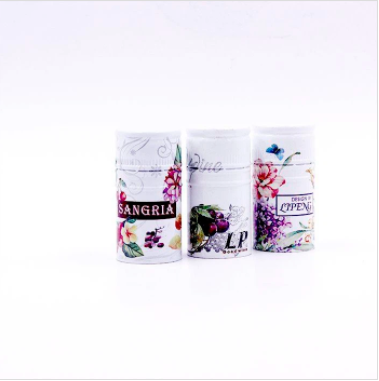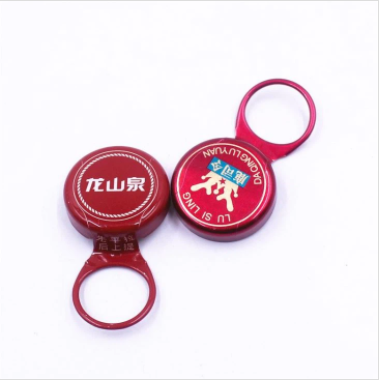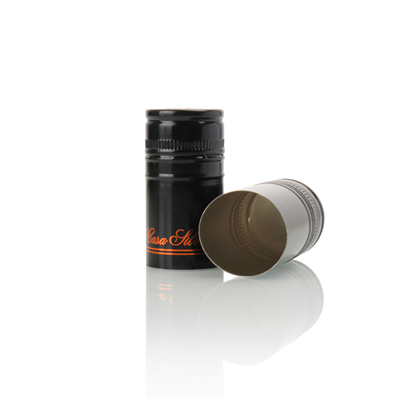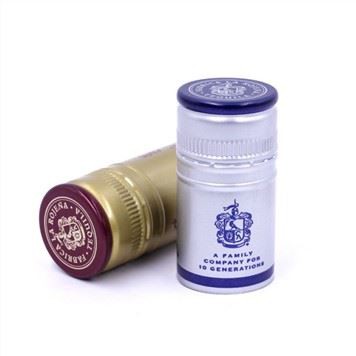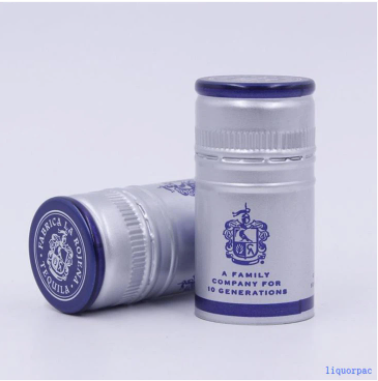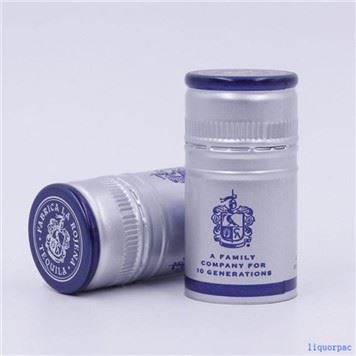

As a dedicated bottle cap supplier, I've witnessed firsthand the diverse and innovative world of bottle cap printing techniques. Each method offers unique advantages, catering to different aesthetic preferences, functional requirements, and budget considerations. In this blog post, I'll explore the various printing techniques available for bottle caps, shedding light on their processes, benefits, and ideal applications.
Screen Printing
Screen printing is one of the most traditional and widely used methods for printing on bottle caps. This technique involves forcing ink through a fine mesh screen onto the surface of the cap. The screen is pre - prepared with a stencil that blocks the ink from passing through in areas where no printing is desired.
Process: First, the screen is carefully aligned with the bottle cap. Then, a squeegee is used to apply pressure and push the ink through the open areas of the screen, transferring the design onto the cap. Multiple colors can be achieved by repeating the process with different screens for each color.
Benefits: Screen printing offers excellent color saturation and durability. It can be used on a variety of cap materials, including plastic, metal, and glass. The ink adheres well to the surface, making it resistant to scratches and fading. This method is also cost - effective for large - scale production runs, as the setup costs are amortized over a large number of caps.
Ideal Applications: Screen printing is ideal for simple, bold designs with a limited color palette. It is commonly used for beverage bottle caps, where a long - lasting and eye - catching logo or brand name is required. For example, if you are looking for a classic look for your beer or soda bottle caps, screen printing can provide a high - quality finish. Check out our 30X44mm Aluminum ROPP Cap With PE Liner, which can be effectively screen - printed to showcase your brand.
Pad Printing
Pad printing is a versatile printing technique that can be used to print on irregularly shaped bottle caps. It involves transferring an inked image from a silicone pad onto the cap's surface.
Process: The printing plate, which has the design etched or engraved into it, is flooded with ink. A doctor blade then wipes the excess ink from the plate, leaving ink only in the engraved areas. The silicone pad is then pressed onto the plate, picking up the inked image. Finally, the pad is pressed onto the bottle cap, transferring the image.
Benefits: Pad printing can achieve high - resolution prints with fine details and complex designs. It can be used on a wide range of materials and shapes, including curved and textured surfaces. This method is also relatively fast and can be automated for high - volume production.
Ideal Applications: Pad printing is suitable for caps with small, detailed logos or graphics. It is often used for cosmetic bottle caps, where a precise and elegant design is required. Our 30*60mm Aluminum Cap can be enhanced with pad - printed designs to add a touch of sophistication to your product packaging.
Hot Stamping
Hot stamping, also known as foil stamping, is a process that uses heat and pressure to transfer a metallic or pigmented foil onto the bottle cap.
Process: A hot stamping machine heats a die to a specific temperature. The foil is placed between the die and the bottle cap. When the die is pressed onto the cap, the heat activates an adhesive on the back of the foil, causing it to adhere to the cap's surface.
Benefits: Hot stamping creates a luxurious and eye - catching effect. The metallic or shiny finish adds a premium look to the bottle caps, making them stand out on the shelf. It is also very durable and resistant to wear and tear.
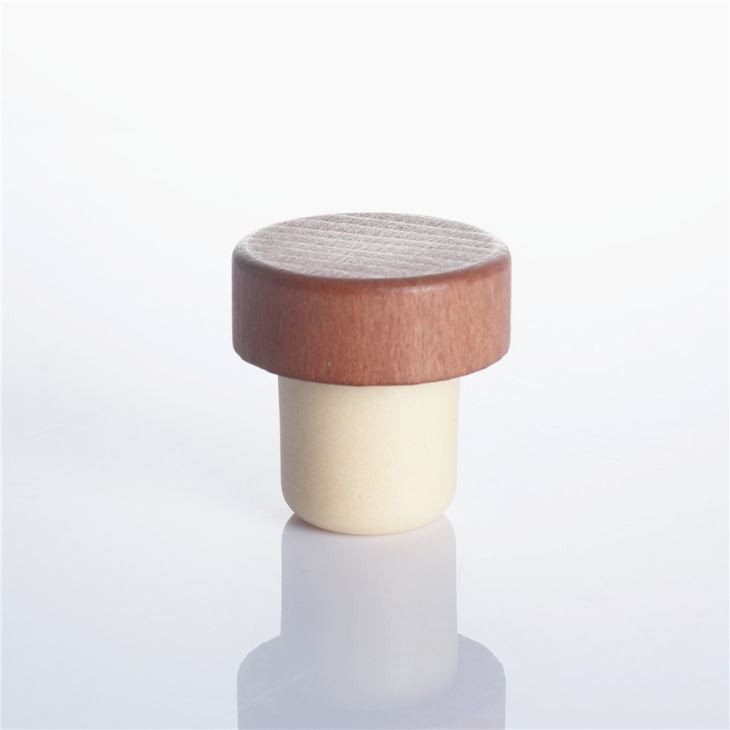
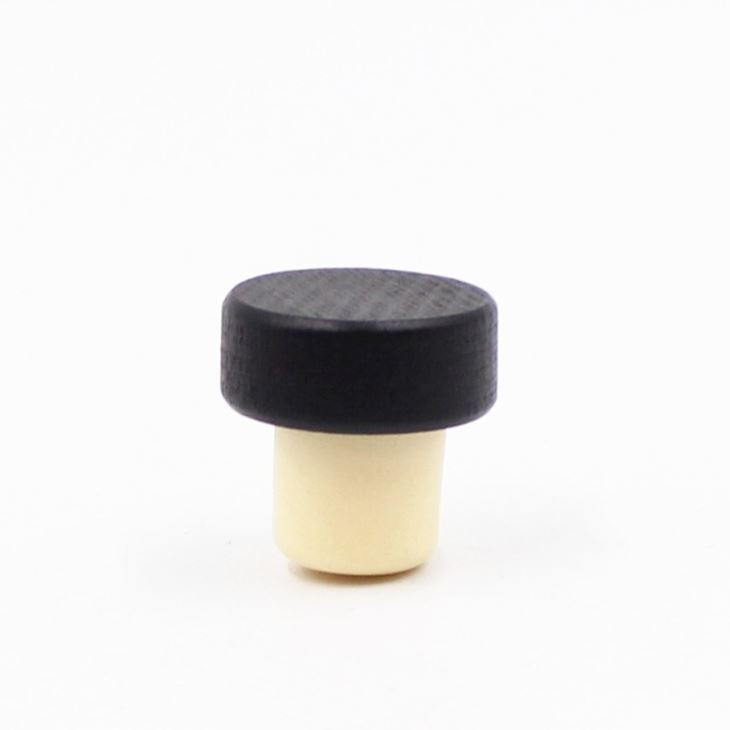
Ideal Applications: Hot stamping is commonly used for high - end products, such as perfume and liquor bottle caps. It can be used to create elegant logos, brand names, or decorative elements. If you want to give your product a high - end appeal, consider using hot stamping on our Synthetic Cork With Wooden Bar Top Caps.
Digital Printing
Digital printing is a modern and flexible printing technique that uses digital files to print directly onto the bottle caps.
Process: The digital printer sprays tiny droplets of ink onto the cap's surface based on the digital design. This process eliminates the need for traditional printing plates or screens.
Benefits: Digital printing offers high - resolution prints with unlimited color options. It is very suitable for short - run production, as there are no setup costs associated with plates or screens. It also allows for quick turnaround times and the ability to customize each cap with unique designs.
Ideal Applications: Digital printing is ideal for promotional or limited - edition bottle caps. It can be used to print variable data, such as serial numbers or personalized messages. For example, if you are running a marketing campaign and need to print different designs on a small number of caps, digital printing is the way to go.
UV Printing
UV printing is a specialized form of digital printing that uses ultraviolet light to cure the ink immediately after it is applied to the bottle cap.
Process: The UV printer sprays the ink onto the cap, and then UV lamps shine on the ink, causing it to harden and dry instantly.
Benefits: UV printing provides a high - quality, durable finish. The cured ink is resistant to scratches, chemicals, and fading. It also has a smooth and even surface, which enhances the overall appearance of the cap.
Ideal Applications: UV printing is suitable for a wide range of applications, from high - end cosmetics to food and beverage products. It can be used to print detailed and vibrant designs on various cap materials.
Considerations When Choosing a Printing Technique
When selecting a printing technique for your bottle caps, there are several factors to consider:
Design Complexity: If your design has fine details or a large number of colors, digital or pad printing may be more suitable. For simple, bold designs, screen printing can be a cost - effective option.
Production Volume: For large - scale production, screen printing and hot stamping are often more economical due to their lower per - unit costs. For short - runs, digital printing is a better choice as it eliminates setup costs.
Cap Material: Different printing techniques work better on certain materials. For example, hot stamping is well - suited for metal and some plastics, while screen printing can be used on a wider range of materials.
Budget: Your budget will also play a significant role in your decision. Some techniques, like digital printing, may have a higher upfront cost but are more cost - effective for small runs, while others, like screen printing, are more affordable for large - scale production.
Conclusion
In conclusion, the choice of printing technique for your bottle caps depends on a variety of factors, including design requirements, production volume, cap material, and budget. As a bottle cap supplier, we are committed to providing you with the best printing solutions to meet your specific needs. Whether you are looking for a classic screen - printed logo on a beer bottle cap or a high - end hot - stamped design on a perfume cap, we have the expertise and capabilities to deliver.
If you are interested in learning more about our bottle caps and the printing techniques available, or if you would like to discuss a custom printing project, please feel free to contact us. We are eager to work with you to create bottle caps that will enhance your product's brand image and appeal to your customers.
References
- "Printing Technologies for Packaging" by John Smith
- "The Handbook of Bottle Cap Manufacturing" by Emily Johnson
- Industry reports from the Packaging Printing Association