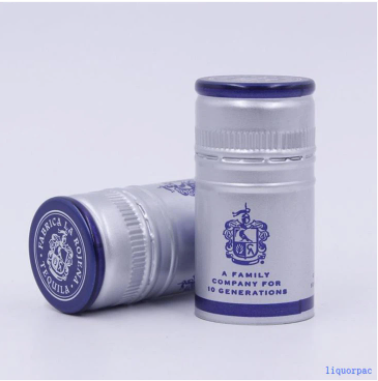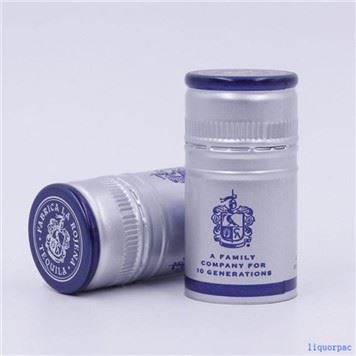

Yo, what's up everyone! I'm a supplier of spirits bottle caps, and today I wanna talk about the markings on spirits bottle caps. It might seem like a small detail, but these markings can tell you a whole lot about the spirits inside and the brand itself.
First off, let's talk about why these markings are even there. Well, for starters, they're a key part of brand identity. Every spirits brand wants to stand out on the shelf, and the markings on the bottle cap are like a little signature. It's the first thing you see when you pick up a bottle, and it can create a lasting impression. For example, some high - end whiskey brands have elaborate engravings on their caps. These engravings can be the brand logo, a fancy pattern, or even a symbol that represents the brand's heritage.
Another reason for the markings is for security and authenticity. With the rise of counterfeit spirits in the market, brands are using unique markings on their bottle caps as a way to prove that the product is genuine. Some caps have special holographic stickers or serial numbers. These are difficult to replicate, so if you're buying a bottle of spirits and it has these types of markings, you can be more confident that you're getting the real deal.
Now, let's get into the different types of markings you might find on spirits bottle caps.
Logo Markings
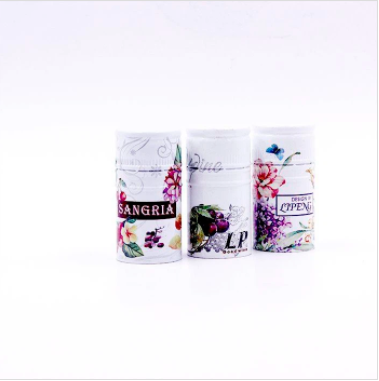
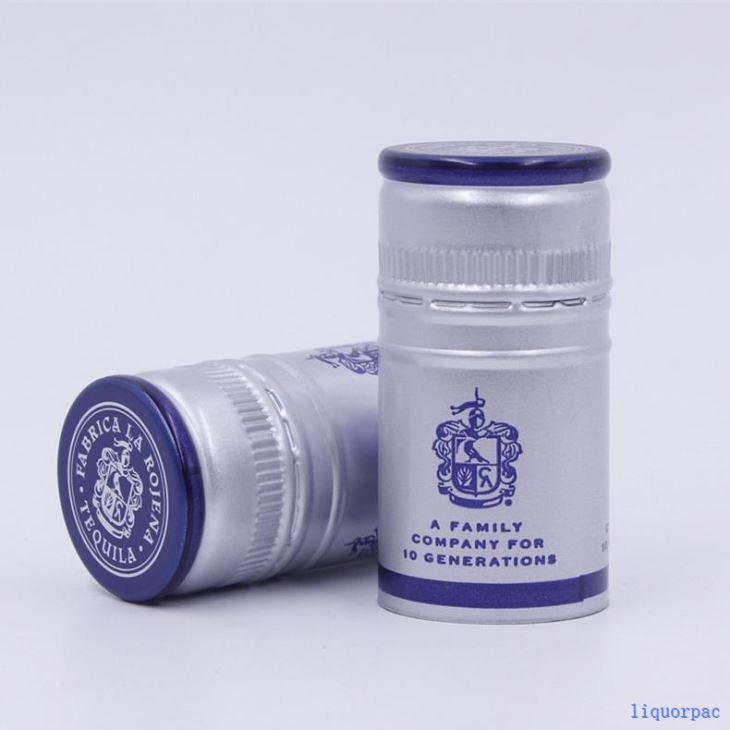
The most common type of marking is the brand logo. This is usually prominently displayed on the top of the cap. It can be in the form of a simple printed logo or a more three - dimensional design. For instance, a well - known vodka brand might have its name embossed in shiny gold letters on the cap. This not only makes the bottle look more premium but also helps consumers easily identify the brand.
Batch and Production Information
Some bottle caps also have markings that indicate the batch number and production date. This information is important for quality control and traceability. If there's ever an issue with a particular batch of spirits, the brand can use this information to recall the product. The batch number is usually a series of numbers and letters, and it's often printed on the side or bottom of the cap. The production date can be in a standard date format, like month - day - year.
Sealing and Tamper - Evident Markings
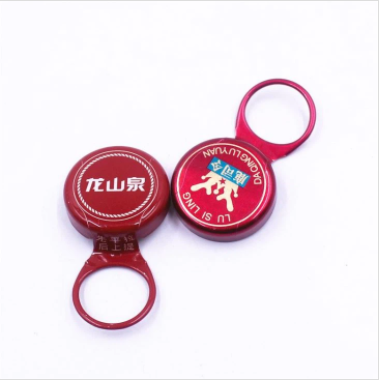
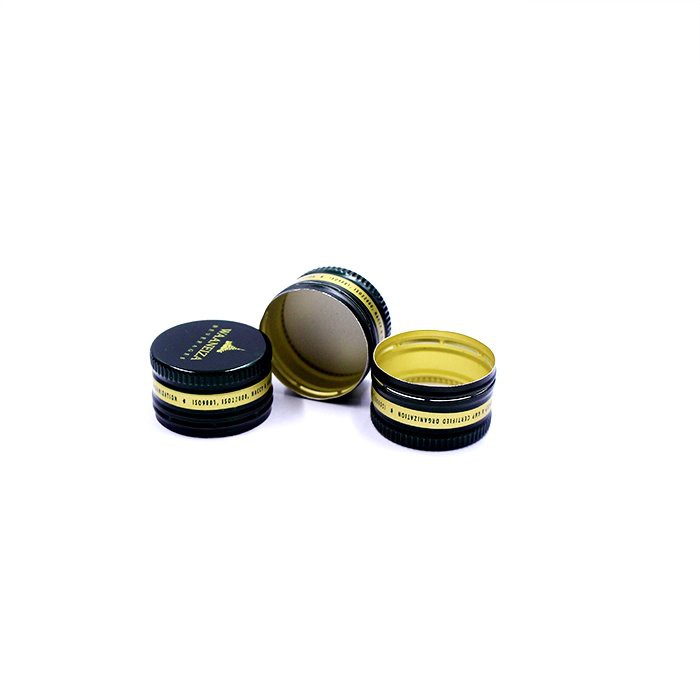
To ensure the integrity of the product, many spirits bottle caps have sealing and tamper - evident markings. These markings show if the bottle has been opened before. For example, some caps have a ring around the base that breaks off when the cap is first opened. Others might have a perforated area that tears when the cap is twisted. These features give consumers peace of mind, knowing that the spirits they're buying haven't been tampered with.
Custom and Limited - Edition Markings
Brands sometimes release special editions of their spirits, and these often come with unique bottle cap markings. For a limited - edition whiskey, the cap might have a special design commemorating an anniversary or a collaboration. These custom markings can make the bottle a collector's item. People who are into spirits collecting are always on the lookout for these limited - edition caps.
Screw Caps vs. Corks
When it comes to spirits bottle caps, there are two main types: screw caps and corks. Each type has its own set of markings.
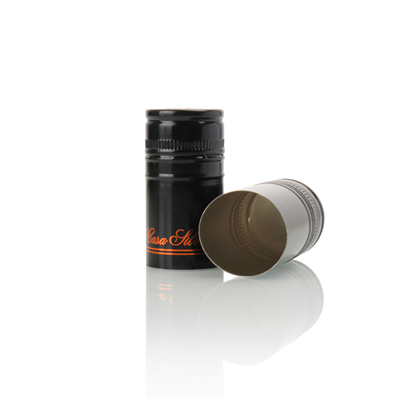
Screw caps are becoming more popular, especially for younger, more casual spirits brands. They're convenient and easy to open. Bottle Screw Cap is a great example of the type of screw cap we supply. These screw caps can have various markings, from simple printed logos to more complex embossed designs. They're often made of aluminum, which is lightweight and durable.
Corks, on the other hand, are more traditional and are commonly used for high - end whiskies and wines. While corks don't have markings in the same way as screw caps, they can have wax seals or foil wrappers with markings. These wax seals can be stamped with the brand logo or a special symbol.
Markings for Different Spirits
Different types of spirits also tend to have different types of markings on their bottle caps.
Whiskey:
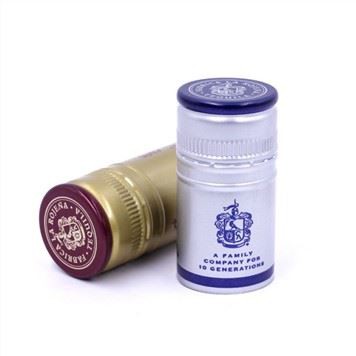
Whiskey is often associated with tradition and heritage. So, whiskey bottle caps usually have markings that reflect this. Whiskey Glass Bottles Aluminum ROPP Caps are a popular choice for whiskey bottles. These caps often have elaborate engravings of the brand's logo or a design that represents the whiskey's origin. For example, a Scottish whiskey might have a cap with a Celtic knot design, symbolizing its Scottish roots.
Vodka and Tequila:
Vodka and tequila brands are often more modern and trendy. Their bottle caps might have more simplistic, contemporary markings. 30*60 mm Vodka Tequila Aluminum Caps are commonly used for these types of spirits. These caps can have printed logos in bold colors or unique patterns that appeal to a younger demographic.
The Role of Markings in Marketing
Markings on spirits bottle caps play a huge role in marketing. They're like a mini - billboard for the brand. A well - designed cap can attract consumers' attention and make them more likely to pick up the bottle. For example, if a new gin brand has a cap with a cool, funky design, it can stand out from the competition on the liquor store shelf. Brands also use markings to tell a story. A cap with a marking that shows the spirits' aging process can intrigue consumers and make them more interested in learning about the product.
Conclusion
In conclusion, the markings on spirits bottle caps are not just random decorations. They serve multiple purposes, from brand identity and security to quality control and marketing. As a supplier of spirits bottle caps, I understand the importance of these markings. We work hard to create caps that not only look great but also meet the needs of our clients.
If you're in the spirits industry and are looking for high - quality bottle caps with unique markings, don't hesitate to reach out. Whether you're a small craft distillery or a large - scale brand, we can provide you with the perfect bottle caps for your products. Let's start a conversation and see how we can help your brand stand out on the shelf.
References
- Industry reports on spirits packaging trends
- Interviews with spirits brand managers
- Research on anti - counterfeiting measures in the spirits industry