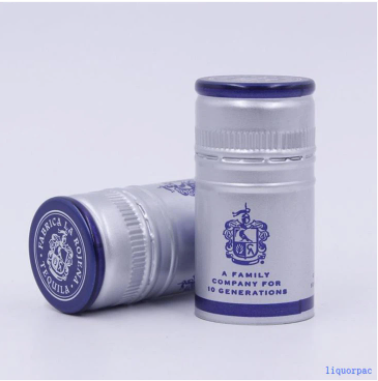

In the manufacturing and supply of plastic caps, understanding and adhering to relevant regulations are of utmost significance. As a plastic caps supplier, I've witnessed firsthand the complex and evolving landscape of regulatory requirements that govern our industry. From ensuring product safety to environmental protection, these regulations play a crucial role in shaping our business operations and product offerings.
Safety - related Regulations
One of the primary concerns in the production of plastic caps is product safety, especially when they are used for food, beverage, pharmaceutical, and cosmetic products. In many countries, there are strict regulations regarding the materials used in plastic caps to prevent any harmful substances from migrating into the contents.
For example, in the European Union, the EU Food Contact Materials Regulation (EC) No 1935/2004 sets out general safety requirements for all materials and articles intended to come into contact with food. Plastic caps must comply with this regulation, which means they should be made from materials that are safe under normal conditions of use and should not transfer their constituents to the food in quantities that could endanger human health or change the composition of the food.
In the United States, the Food and Drug Administration (FDA) has a detailed set of regulations for food - contact substances. The FDA evaluates the safety of additives used in plastic materials, including those used in caps. Suppliers like us need to ensure that the plastic resins, pigments, and other additives we use have been approved by the FDA. This often involves providing detailed documentation about the chemical composition and manufacturing process of the plastic caps to customers in the food and beverage industry.
Moreover, for pharmaceutical products, plastic caps need to meet even more stringent safety standards. The caps must be designed to prevent contamination and protect the integrity of the medicine. They should be able to withstand different storage conditions without degrading or releasing any harmful compounds.
Environmental Regulations
With growing environmental concerns, plastic caps are under increasing scrutiny. One of the most prominent environmental regulations is related to recycling. Many countries are implementing policies to promote the recycling of plastic products, including caps.
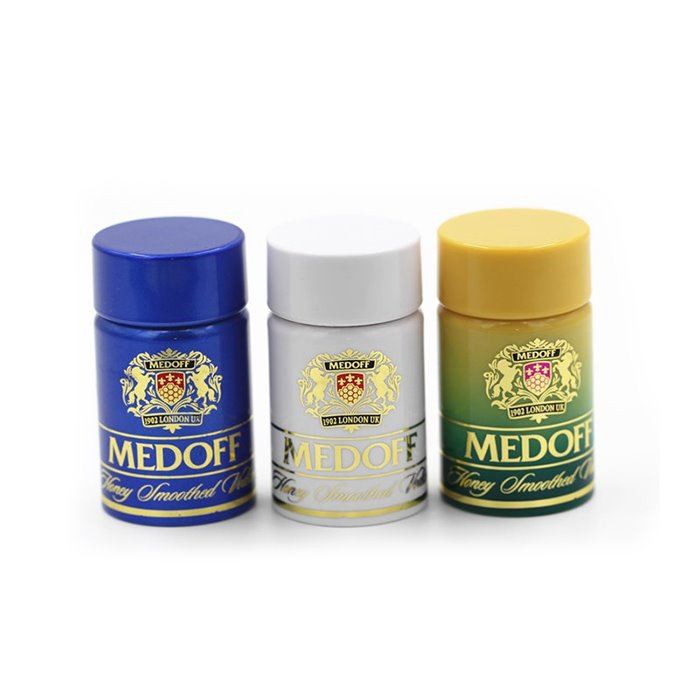
In some regions, plastic caps need to be designed in a way that they can be easily separated from the containers during the recycling process. For instance, some regulations encourage the use of caps that are made from a single type of plastic resin, as this makes them easier to recycle. Our company is well - aware of this requirement, and we offer a variety of Plastic Caps And Closures made from recyclable plastics.
Another important environmental regulation is the reduction of single - use plastics. Governments around the world are pushing for alternatives to single - use plastic items, and plastic caps are no exception. As a supplier, we are constantly researching and developing more sustainable options, such as biodegradable or compostable plastic caps. However, these new types of caps also need to comply with relevant environmental standards, which may include requirements for biodegradation rate, compostability, and the absence of harmful additives in the decomposition process.
Design and Performance - related Regulations
Plastic caps also need to meet certain design and performance requirements. For example, in the case of child - resistant caps, many countries have regulations to prevent children from accidentally opening containers with potentially dangerous substances. These caps typically need to pass specific child - resistance tests, which measure the force and dexterity required to open them. Our company offers a range of child - resistant caps that are designed to meet these strict regulations.
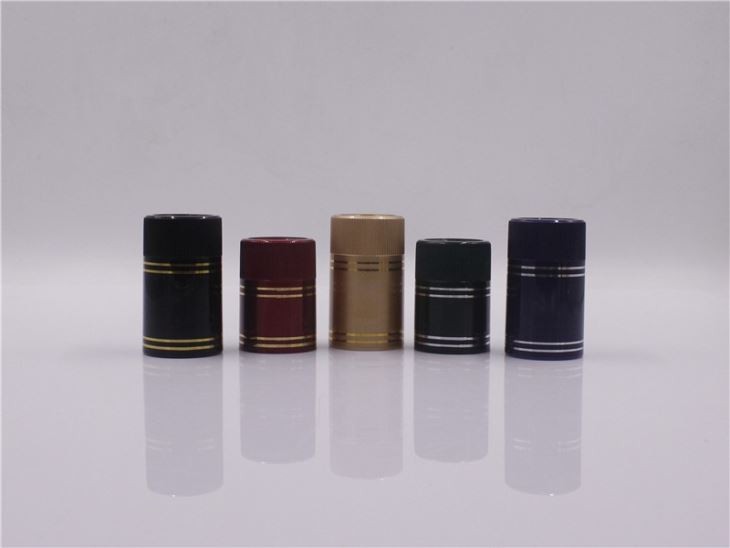
In addition, for caps used in carbonated beverages, they need to have sufficient sealing performance to maintain the carbonation level. There are often regulations regarding the maximum allowable leakage rate of carbon dioxide from the bottle. We provide high - quality 28X18mm Plastic Cap With The Tear Line and 33X58 Plastic Cap For Spirit Bottle that are designed to meet these performance requirements.
Quality Control and Certification
To ensure compliance with various regulations, rigorous quality control measures are essential. As a supplier, we have a comprehensive quality control system in place. All our plastic caps undergo strict testing at different stages of the production process. We test for factors such as material properties, dimensional accuracy, sealing performance, and chemical composition.
In addition to in - house testing, we also seek relevant certifications to demonstrate our compliance with international standards. For example, ISO 9001 certification indicates our commitment to quality management systems, while ISO 14001 certification shows our efforts in environmental management. Having these certifications not only helps us meet regulatory requirements but also enhances our credibility in the market.
Regulatory Changes and Adaptation
The regulatory landscape for plastic caps is constantly evolving. New regulations are introduced regularly to address emerging issues such as environmental pollution and public health concerns. As a plastic caps supplier, we need to stay updated with these regulatory changes and adapt our production processes and product designs accordingly.
We closely monitor regulatory announcements from different countries and regions. When new regulations are implemented, we conduct in - depth research to understand their impact on our business. Our R & D team then works on developing new products or modifying existing ones to ensure compliance. This often requires significant investment in research and development, but it is necessary for the long - term success of our business.
Conclusion
As a plastic caps supplier, we operate in a highly regulated environment. Safety, environmental protection, design and performance, and quality control are all key aspects where regulations apply. By complying with these regulations, we not only ensure the quality and safety of our products but also contribute to a more sustainable and healthy world.
If you are interested in purchasing high - quality plastic caps that comply with all relevant regulations, we invite you to contact us for procurement discussions. Our team of experts is ready to provide you with detailed product information and customized solutions.
References
- European Union Food Contact Materials Regulation (EC) No 1935/2004.
- United States Food and Drug Administration regulations for food - contact substances.
- Various national and regional regulations on plastic recycling, single - use plastics, child - resistant caps, etc.