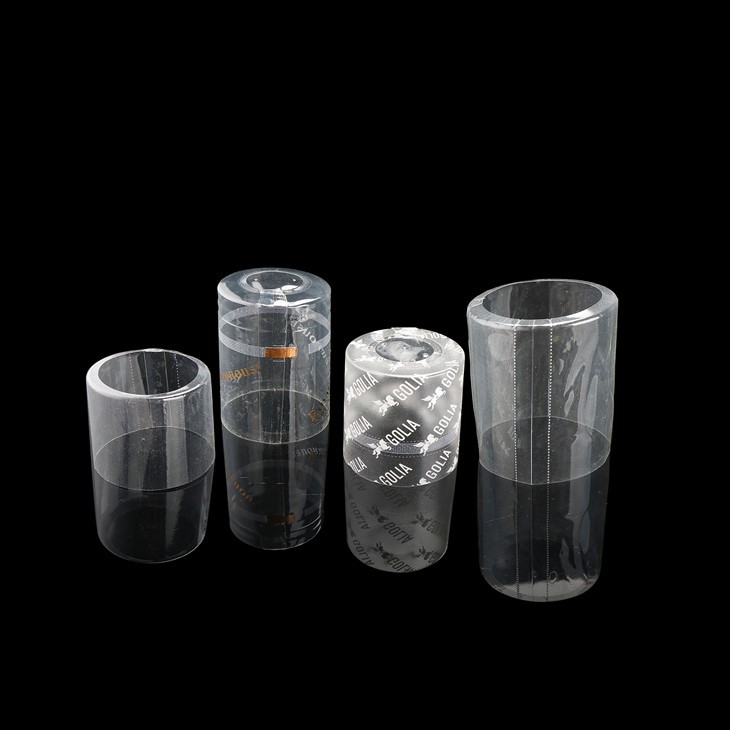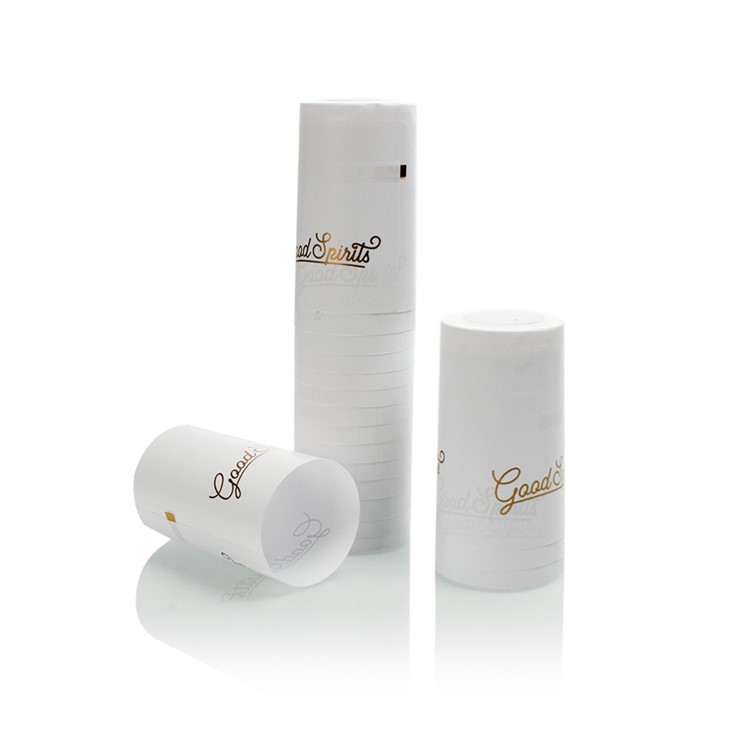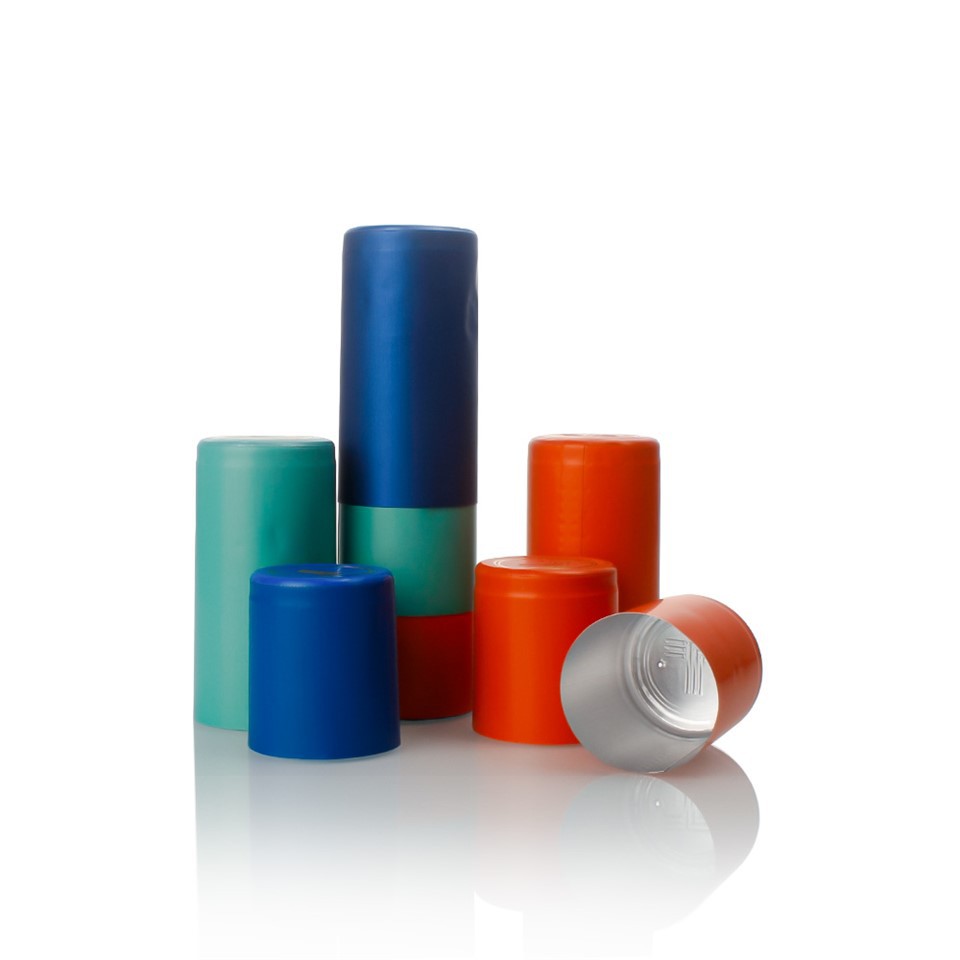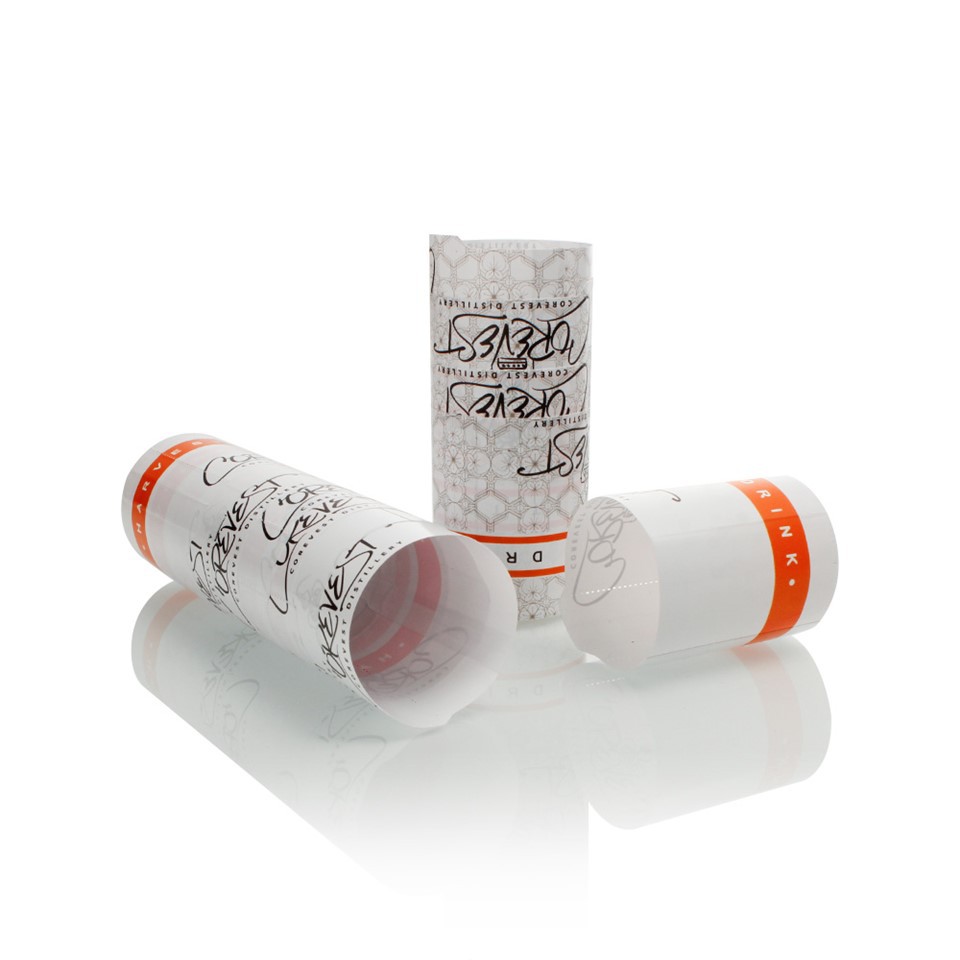
Caps, whether they are for bottles, jars, or other containers, play a crucial role in maintaining the freshness and purity of the contents inside. They serve as barriers that prevent dust, dirt, and other foreign particles from entering the container, while also keeping the contents fresh and protected from external elements. The manufacturing of caps, therefore, is a highly precise and meticulous process. Here's a detailed look at how caps are manufactured:
Material Selection: The first step in the manufacturing of caps is selecting the appropriate material. Caps are typically made from various types of plastic, metal, or glass. Each material has its unique properties and characteristics that determine its suitability for specific applications. Material selection also takes into account factors like cost, durability, and compatibility with the container's contents.
Molding Process: Once the material is selected, the manufacturing process begins with the molding process. In this step, the material is heated and shaped into the desired cap design using specialized molds. Molding machines exert pressure on the material, forcing it to take the desired shape. The molded caps then undergo cooling and solidification to maintain their shape.
Inspection and Cleaning: After molding, the caps go through an inspection process to ensure they meet the required quality standards. Any defects or imperfections in the caps are identified and removed during this step. The cleaned caps are then ready for further processing or packaging.
Additional Processing: Depending on the type of cap, additional processing steps may be required. For threaded caps, screw threads may be added during this step using specialized threading equipment. Other processes include adding tamper-resistant seals, embossing logos or labels, or applying color or finishes to enhance the appearance of the caps.
Packaging: The final step in the manufacturing process involves packaging the caps for distribution and sale. The caps are typically packaged in boxes or plastic wraps for easy handling and transportation. Some caps may also be shrink-wrapped or placed in cardboard boxes for added protection during storage and shipping.
The manufacturing of caps is a highly automated process that utilizes advanced technologies and machinery to achieve precise tolerances and consistent quality. Caps are produced in various sizes, shapes, and colors to meet the specific requirements of different industries and applications. From food and beverage packaging to cosmetics and pharmaceuticals, caps play a crucial role in ensuring the safety and longevity of products.
The manufacturing of caps involves several processes that begin with material selection and end with packaging. Each step is crucial in creating high-quality caps that provide effective sealing and protection for container contents. With advancements in technology and materials, the manufacturing of caps has evolved to meet the demands of different industries while ensuring durability, functionality, and safety.