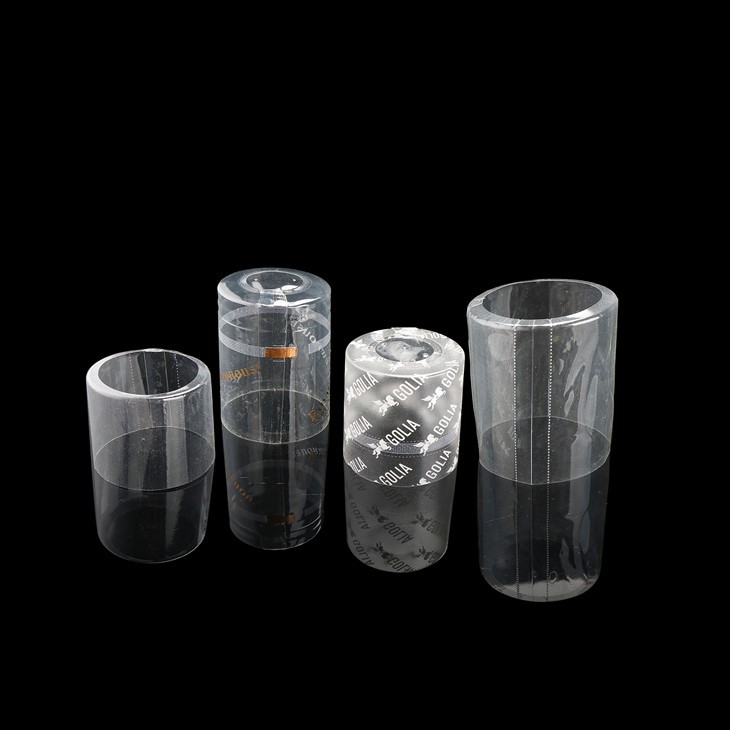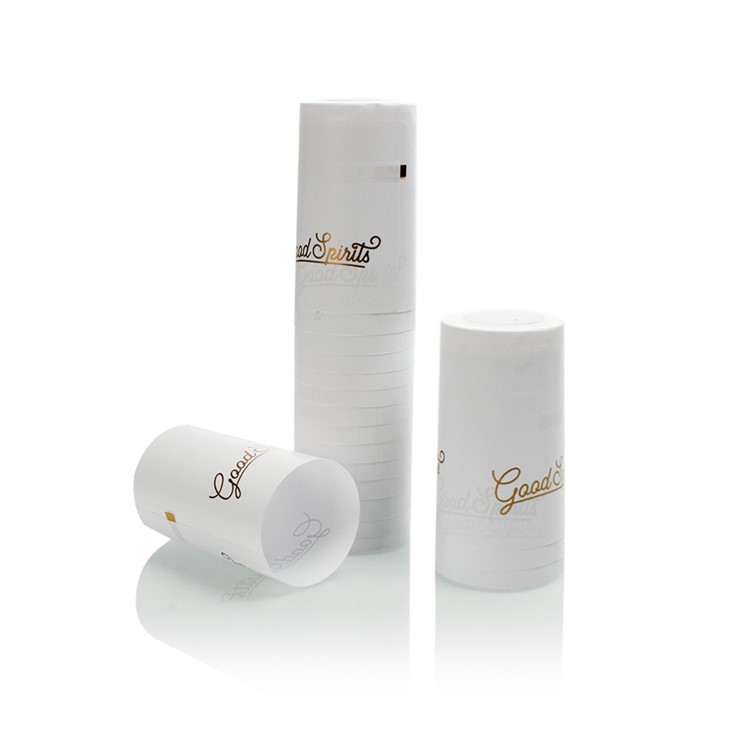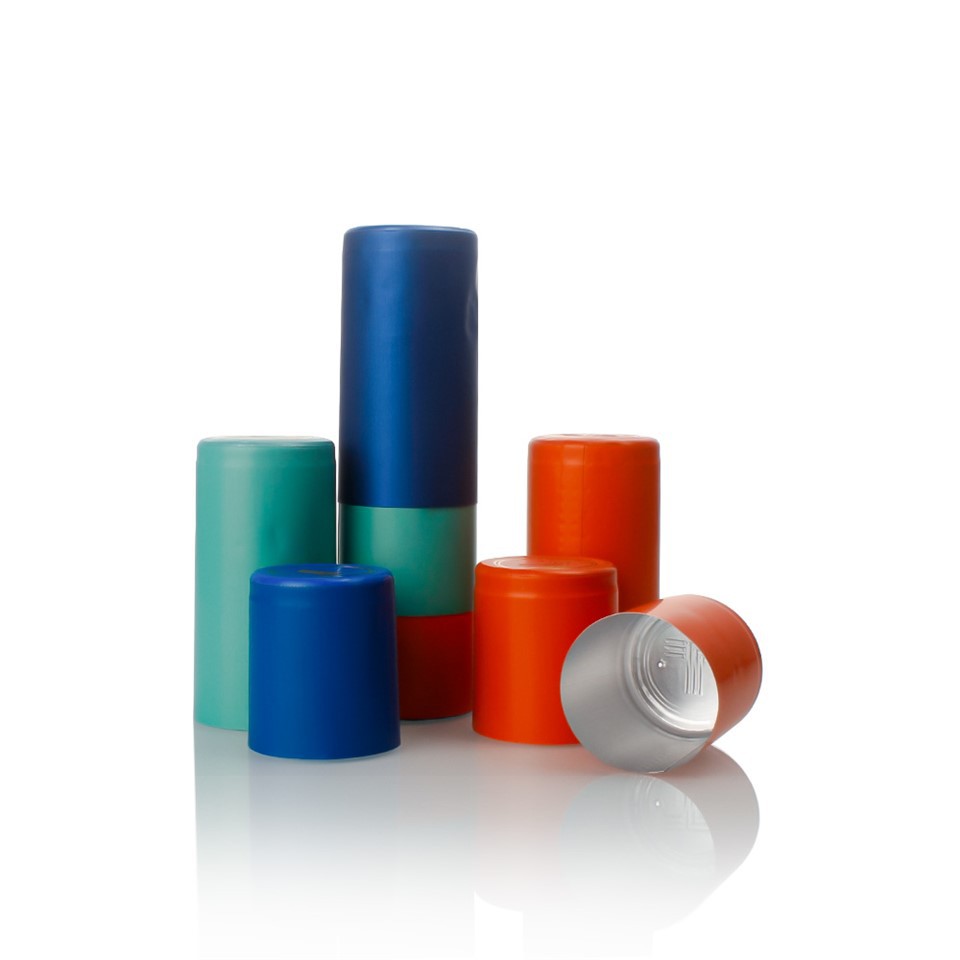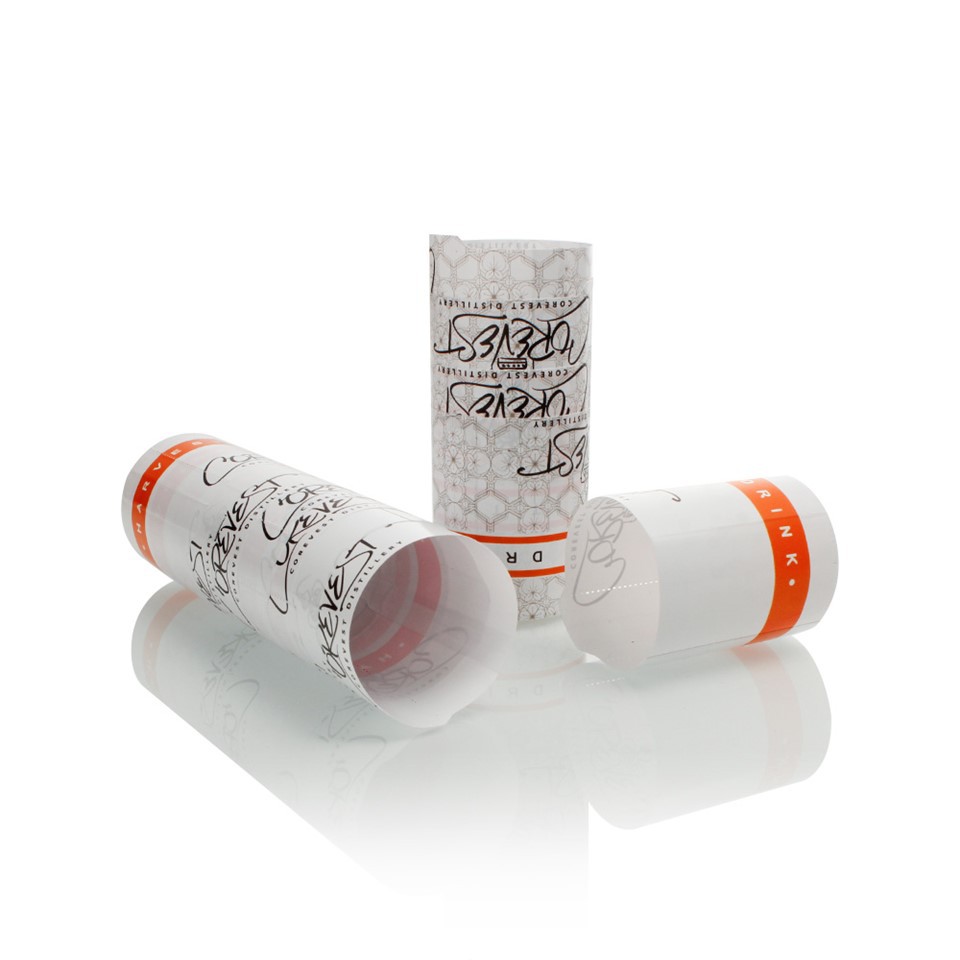
In today's market environment, fake and shoddy products emerge endlessly, seriously affecting the rights and interests of consumers and the reputation of brands. For wine products, the bottle label is not only the carrier of product information, but also the display window of brand image. Therefore, it is particularly important to add an effective anti-counterfeiting mark to the wine bottle label.
Adding an anti-counterfeiting mark to the wine bottle label can be achieved in the following ways:
First, physical anti-counterfeiting signs
Special material application:
Use special paper or materials with unique textures, watermarks or fluorescent effects to make labels. Under certain lighting conditions, or by touch, these special materials can show unique patterns or color changes. For example, some textured paper will show different patterns or color changes when tilted, greatly increasing the difficulty of imitation.
The use of fragile material, once the label is torn off it will be broken, can not be transferred to other products, effectively prevent counterfeiters from taking off the genuine label and attaching it to the counterfeit product.
Miniature text and pattern design:
The label is printed with very small text or patterns, which usually require the aid of a magnifying glass to be legible. These miniatures can be brand names, logos, or specific codes. Due to its high degree of precision, it is difficult for counterfeiters to successfully copy, so as to play a good anti-counterfeiting role.
For example, a miniature brand logo and serial number can be printed on the edge of the label or in a specific area, which can be viewed and verified by the consumer through a magnifying glass or a specific mobile phone app.
Second, technical anti-counterfeiting signs
Qr code and bar code Settings:
By adding a QR code or bar code to the label, consumers can scan these codes to obtain product details and verify authenticity. The QR code can be linked to a brand's official website or verification platform, where consumers enter a product-specific code for verification.
For example, the brand can develop a dedicated mobile app, consumers scan the QR code on the bottle label, can view the product's production batch, production date, origin and other information in the app, and confirm the authenticity of the product.
Chemical anti-counterfeiting marks are used:
Use special chemicals or color-changing inks to print anti-counterfeiting marks on labels. These chemicals change color or show hidden information under certain conditions, thus verifying the authenticity of the product.
For example, some labels change color when exposed to certain chemical solutions, or display hidden patterns at certain temperatures. Consumers can verify this using chemical reagents provided by the brand or through specific temperature conditions.
Third, design anti-counterfeiting signs
Integration of unique design elements:
Incorporate unique patterns, logos, or color combinations into the design of the label to make it difficult to replicate. These design elements can be the brand's own logo, a specific pattern structure, or a unique color mix.
For example, brands can design a logo with a special shape or structure, or use a unique color combination that makes it difficult for counterfeiters to copy. Consumers can discern authenticity by being familiar with the brand's unique design elements.
Hidden information and password Settings:
Design a hidden message or password on the label that can only be revealed by a certain way. These hidden messages can be words, patterns or digital codes, which can be obtained by viewing them from a certain Angle, shining an ultraviolet light on them, or scratching open certain areas.
For example, a special coating is printed on one area of the label, and consumers scratch off the coating to see a hidden verification code, which is verified by entering it on the brand's official website.
Brand certification and logo display:
Display the brand's certification mark, quality assurance mark or partner mark on the label to increase the credibility and anti-counterfeiting of the product. These can be the certification of an official body, the logo of an industry association or the logo of a partnership with a well-known brand.
For example, some high-end wine brands will display a specific region certification mark or the International Wine Organization certification mark on the label, and consumers can identify these marks to confirm the quality and authenticity of the product.
Brands can choose appropriate anti-counterfeiting methods according to their own needs and budgets, and constantly innovate and improve anti-counterfeiting technology to ensure the authenticity of products and the reputation of the brand. At the same time, consumers should also improve the awareness and discrimination of anti-counterfeiting signs, and jointly combat counterfeit and shoddy products.