The terms "spirit" and "liquor" are often used interchangeably, and in many contexts, they refer to the same type of alcoholic beverage. However, there is a subtle difference between the two:
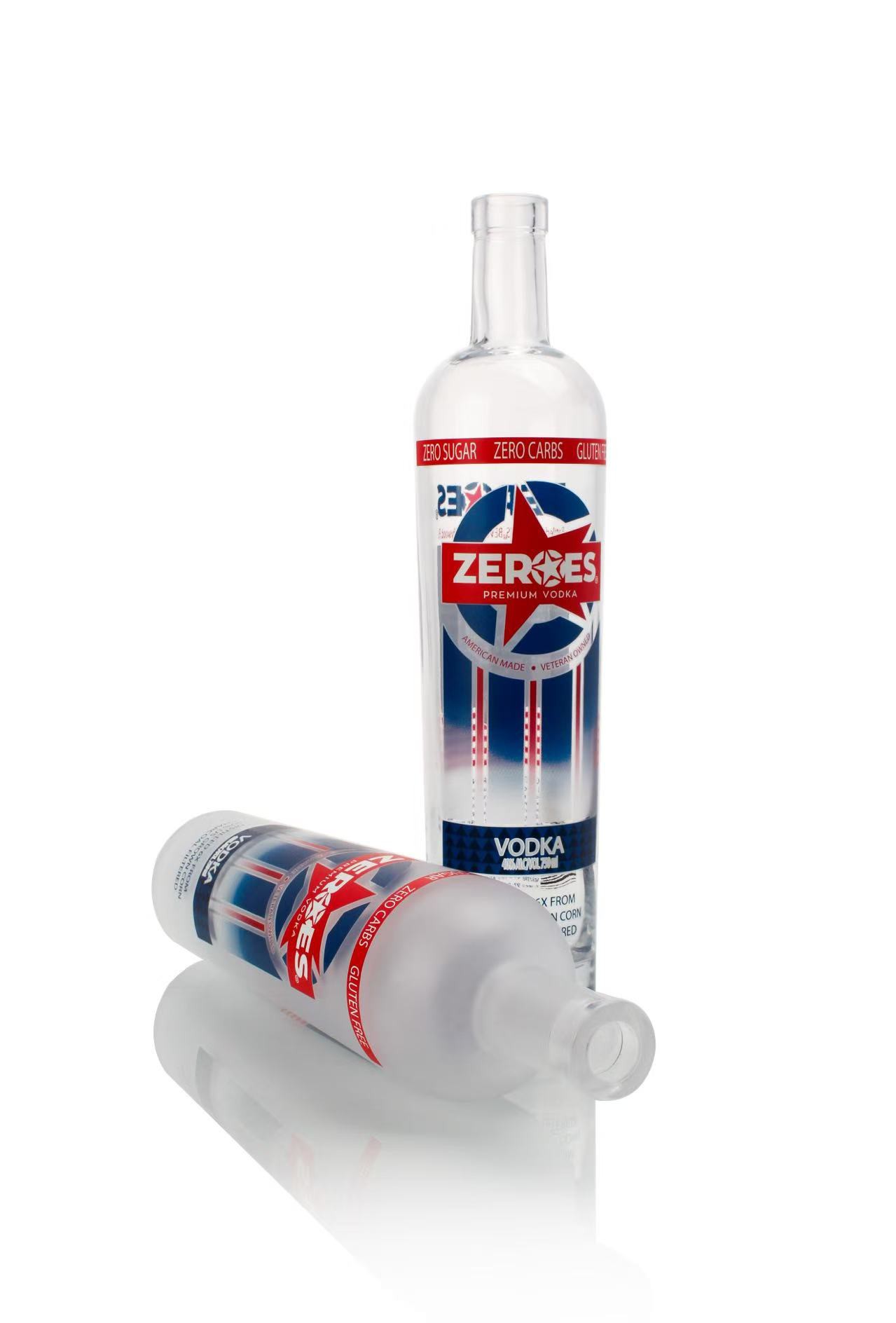
Spirit:
●The term "spirit" is more commonly used in the United Kingdom and some other European countries to refer to distilled alcoholic beverages.
●Spirits are alcoholic beverages that have been distilled to increase their alcohol content. The distillation process involves heating a fermented liquid and then collecting and condensing the alcohol vapors to create a more concentrated and potent beverage.
●Spirits typically have a higher alcohol by volume (ABV) content than other alcoholic beverages like beer and wine. The ABV of spirits can range from about 20% to as high as 80% or more.
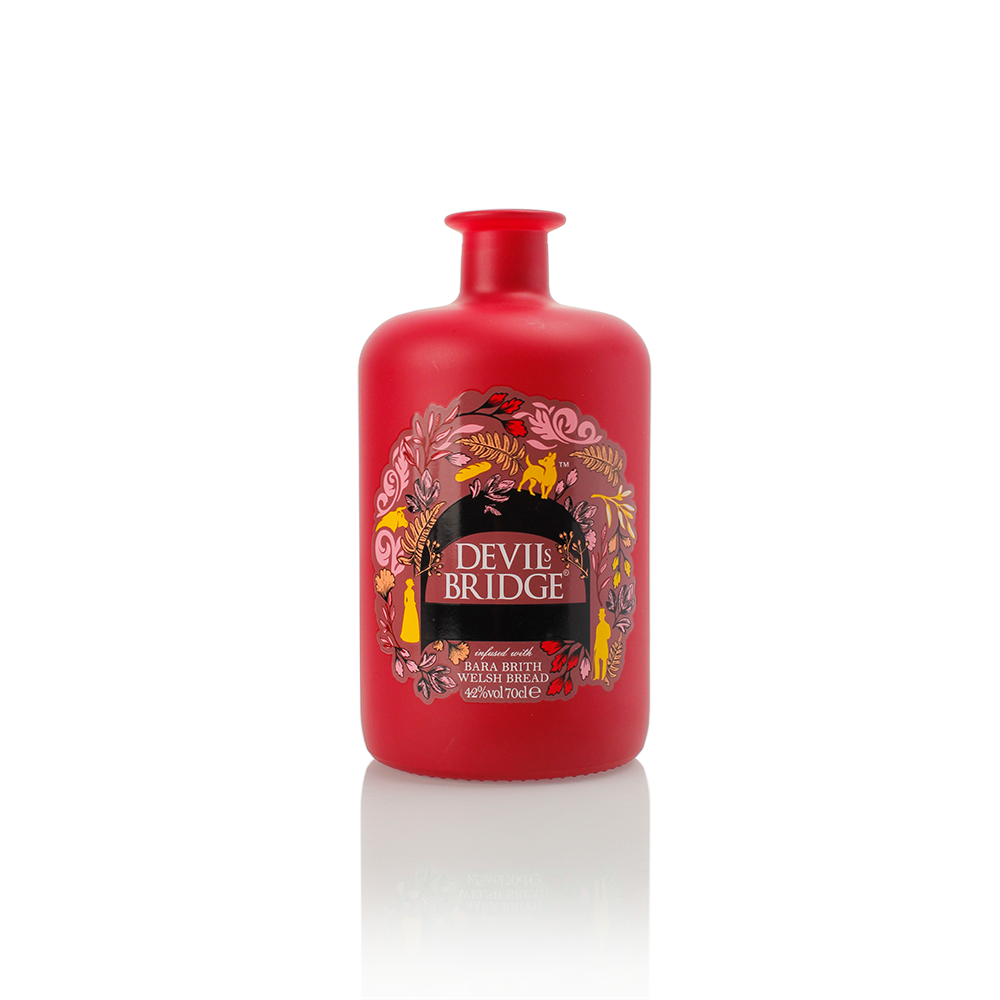
●Common examples of spirits include vodka, rum, gin, whiskey, tequila, brandy, and liqueurs.
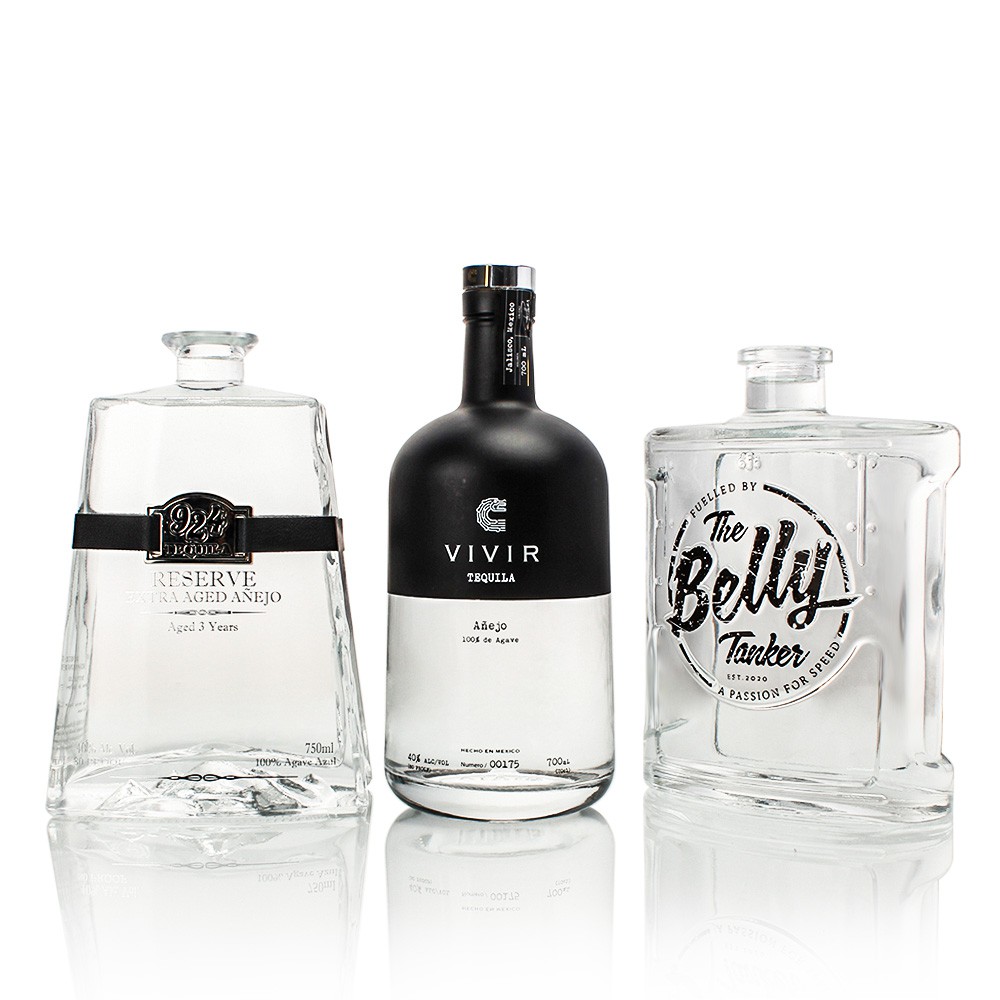
Liquor:
●The term "liquor" is more commonly used in the United States and some other countries to refer to distilled alcoholic beverages.
●Liquor is a broader term that encompasses all types of alcoholic beverages, including spirits, but it also includes other fermented beverages like beer and wine.
●In the U.S., "liquor" is often used to specifically refer to distilled spirits, but this may not be the case in other regions where "liquor" refers to all alcoholic drinks.
In summary, while the terms "spirit" and "liquor" often refer to the same alcoholic beverages, "spirit" is more commonly used in the UK and some European countries to specifically refer to distilled alcoholic beverages, whereas "liquor" is a broader term used in the US and some other regions to encompass all alcoholic beverages, including spirits.