
Hey there, wine lovers! As a supplier of screw caps for wine, I've been getting a ton of questions lately about whether you need to tighten the screw caps after opening and re - closing a wine bottle. So, I thought I'd dive deep into this topic and share some insights with you.
First off, let's talk about why this question even comes up. Wine is a delicate beverage. Once you pop open that bottle, it starts to interact with the air, and this process, called oxidation, can change the taste and aroma of the wine over time. Some people think that tightening the screw cap super tight will prevent air from getting in and slow down oxidation. Others believe that it doesn't really matter all that much.
Let's start by looking at the science behind oxidation. When wine is exposed to oxygen, a series of chemical reactions take place. The oxygen can react with the tannins, pigments, and other compounds in the wine. For red wines, this can sometimes mellow out the harsh tannins and make the wine taste smoother in the short - term. But over a longer period, too much oxidation can turn the wine into a flat, brownish mess. White wines are even more sensitive. They can quickly lose their fresh, fruity flavors and develop a nutty, sherry - like taste.
Now, let's consider how screw caps work. Screw caps are designed to create a seal around the bottle neck. When you first open a bottle with a screw cap, you break that initial seal. When you re - close it, the goal is to create as good a seal as possible to limit the amount of air that gets back into the bottle.
Tightening the screw cap does have its benefits. A tight seal can significantly reduce the amount of oxygen that seeps into the bottle. This is especially important if you're not planning to finish the bottle in one sitting. For example, if you have a nice bottle of Cabernet Sauvignon and you only drink half of it, tightening the screw cap can help preserve the remaining wine for a few more days. The reduced oxygen exposure means that the wine will retain more of its original flavor and aroma.
On the other hand, there's a limit to how much a tight seal can do. Even with a perfectly tightened screw cap, some oxygen will still get in over time. The wine is already exposed to air when you first open the bottle, and there's always a small amount of air trapped inside the bottle neck. Plus, wine is porous to some extent, and over a very long period, oxygen can slowly diffuse through the wine itself.
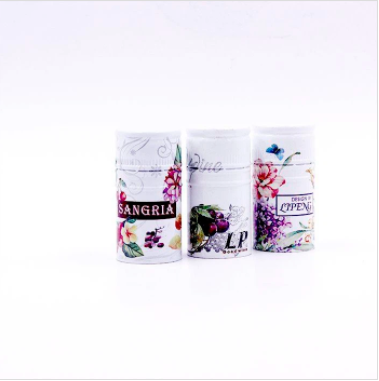
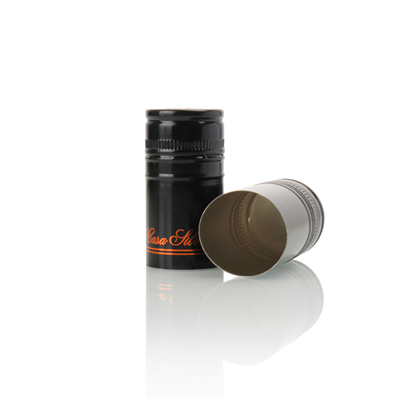
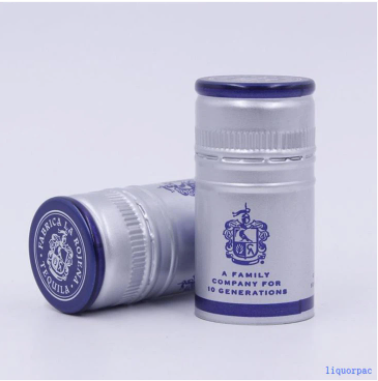
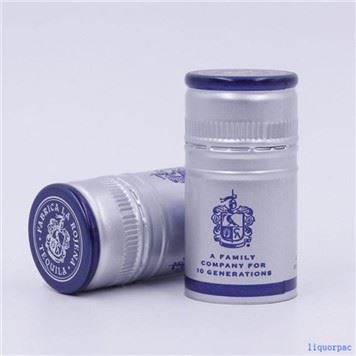
Another factor to consider is the quality of the screw cap. Not all screw caps are created equal. At our company, we offer high - quality screw caps like the Pilfer Proof Aluminium Screw Cap. These caps are made with precision to ensure a tight fit and a reliable seal. Cheaper screw caps might not seal as well, even if you tighten them as much as you can.
Let's also think about the type of wine. Sparkling wines are a whole different story. If you open a bottle of Champagne or Prosecco with a screw cap (yes, they do exist!), you definitely want to tighten the cap as much as possible. The carbon dioxide in sparkling wines is under pressure, and a loose cap will let the gas escape quickly, making your bubbly go flat in no time.
For dessert wines, like a sweet Riesling or a Port, tightening the screw cap can help preserve the rich, sweet flavors. These wines often have a high sugar content, which can make them more prone to spoilage if exposed to too much air.
Now, let's talk about practicality. Sometimes, it can be a pain to tighten the screw cap really hard, especially if you've already had a glass or two of wine. And if you over - tighten the cap, you might damage it or make it difficult to open the bottle again later. A good rule of thumb is to tighten the cap firmly, but not so hard that you're struggling.
If you're not sure how tight to make it, you can do a simple test. After re - closing the bottle, give it a gentle shake. If you can hear air moving inside the bottle, the cap might not be tight enough.
In addition to tightening the screw cap, there are other things you can do to preserve an opened bottle of wine. Storing the wine in the refrigerator can slow down the oxidation process. The cold temperature reduces the rate of chemical reactions in the wine. Just make sure to let the wine warm up a bit before drinking it, especially if it's a red wine.
Using a wine preserver can also be a great option. These are devices that remove the air from the bottle or replace it with an inert gas like nitrogen. They can extend the life of an opened bottle of wine even further.
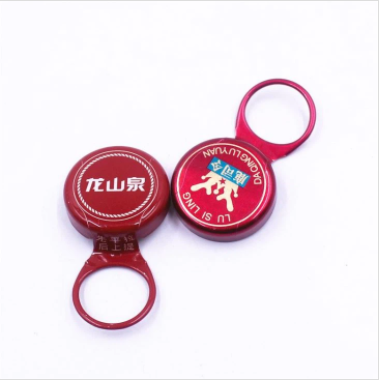
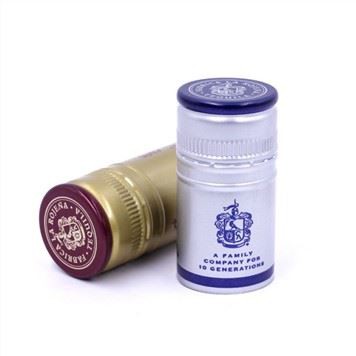
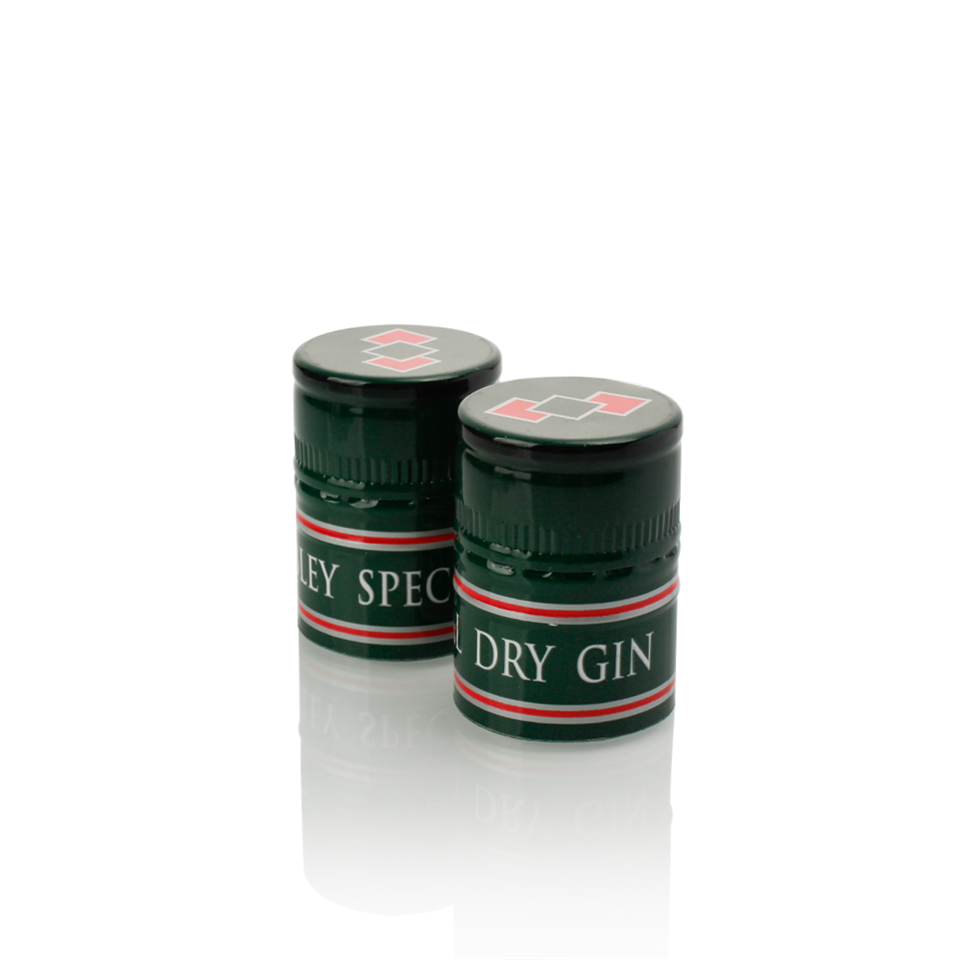
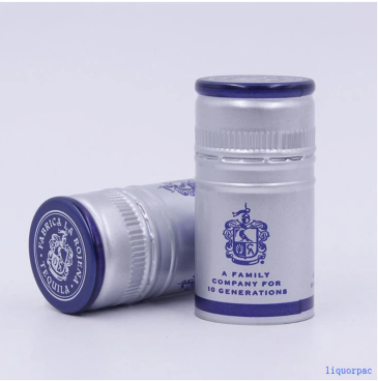
As a supplier of screw caps for wine, I can tell you that we've put a lot of research and development into our products. We know that a good screw cap is essential for preserving the quality of wine. Our Wine Aluminium Caps are made from high - grade aluminum that is both durable and provides an excellent seal. And we also offer Whiskey Glass Bottles Aluminum ROPP Caps for those who are in the spirits business.
So, to answer the question “Do screw caps need to be tightened after opening and re - closing the wine bottle?”, the answer is yes, it's a good idea. Tightening the screw cap can help preserve the wine's flavor and aroma, especially if you're not going to finish the bottle right away. But it's not the only factor. You also need to consider the quality of the cap, the type of wine, and other preservation methods.
If you're in the wine or spirits industry and are looking for high - quality screw caps, we'd love to hear from you. Whether you're a small winery or a large distributor, we can provide you with the right caps to meet your needs. Contact us to start a conversation about your cap requirements and let's work together to keep your wines and spirits at their best.
References
- Jackson, H. (2019). The Science of Wine. Wine Press.
- Smith, R. (2020). Wine Preservation Techniques. Beverage Journal.