
Hey there, wine enthusiasts and industry folks! As a supplier of wine screw caps, I often get asked a whole bunch of questions. One that keeps popping up is, "Do wine screw caps need to be lubricated during installation?" Well, let's dive right into this topic and figure it out.
First off, let's talk about what lubrication is all about in general. Lubricants are substances that reduce friction between two surfaces. In the context of wine screw caps, the two surfaces we're concerned with are the cap itself and the bottle neck. When you're installing a screw cap on a wine bottle, there's a certain amount of force required to twist the cap onto the bottle. If there's too much friction, it can make the installation process difficult, and it might even cause damage to the cap or the bottle.
Now, the big question is whether wine screw caps actually need lubrication. The answer isn't a simple yes or no. It depends on a few different factors.
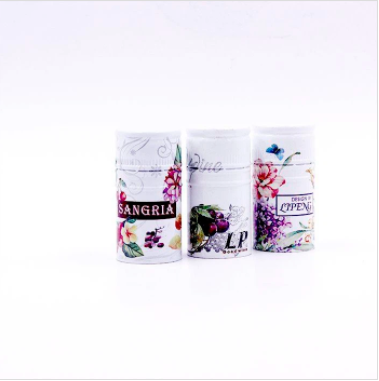
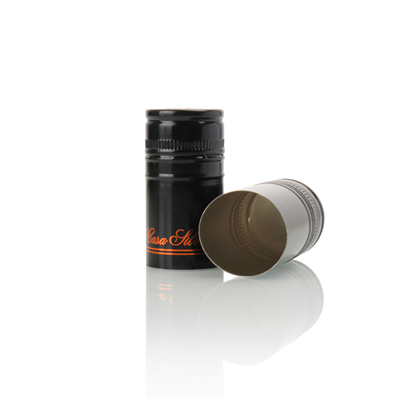
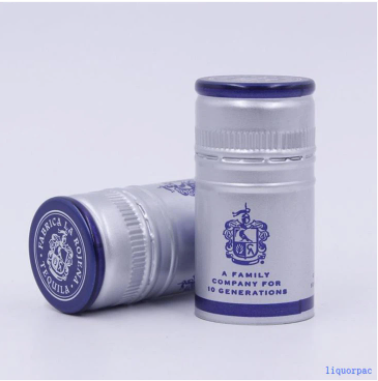
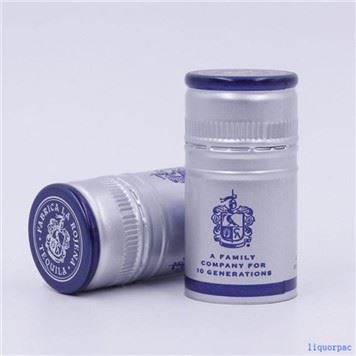
One factor is the type of material the screw cap is made of. For example, if you're using an Aluminum 28mm ROPP Closure, aluminum is a relatively smooth material. In some cases, it might not need lubrication because it can glide onto the bottle neck fairly easily. However, if the cap has a more complex design or if there are tight tolerances, a little bit of lubrication could help ensure a smooth installation.
Another factor is the production speed. In a high - speed bottling line, every second counts. If the caps aren't going on smoothly, it can slow down the entire production process. Lubrication can help speed things up by reducing the amount of force needed to install the caps. This means less wear and tear on the bottling equipment and a more efficient production line.
But it's not all sunshine and rainbows when it comes to using lubricants. There are some potential downsides. One of the main concerns is contamination. If the lubricant isn't food - grade or if it's not properly applied, it could end up getting into the wine. This is a huge no - no in the wine industry, where the quality and purity of the product are of utmost importance.
There's also the issue of cost. Lubricants aren't free, and adding them to the production process means an additional expense. You've got to weigh the cost of the lubricant against the benefits it provides, like faster production and easier cap installation.
Let's take a look at some real - world scenarios. In a small - scale winery, where production is relatively slow and the focus is on artisanal quality, they might choose not to use lubricants. They can take their time to install the caps carefully, and they're less concerned about the speed of the process. On the other hand, a large commercial winery with a high - volume production line is more likely to use lubricants to keep things running smoothly.
Now, let's talk about the different types of lubricants that can be used for wine screw caps. There are a few options out there. Some wineries use food - grade silicone lubricants. These are generally safe for use with food and beverages, and they provide good lubrication. Another option is a vegetable - based lubricant. These are also food - safe and are often more environmentally friendly.
If you do decide to use a lubricant, it's important to apply it correctly. You don't want to use too much, as this can lead to excess lubricant dripping off the cap and potentially contaminating the bottle or the wine. A thin, even coat is usually all you need.
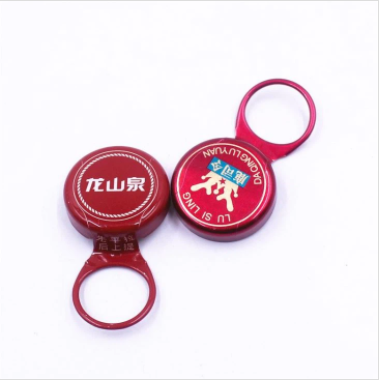
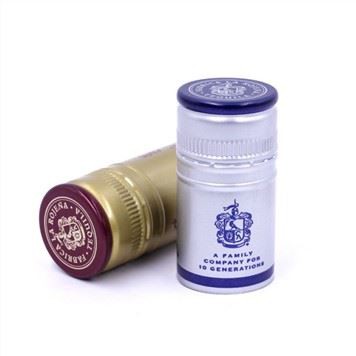
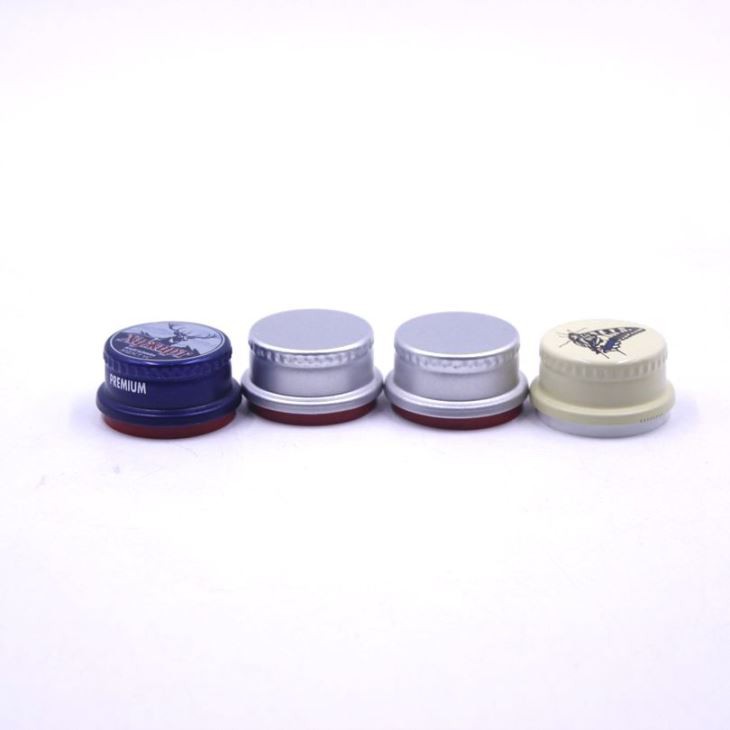
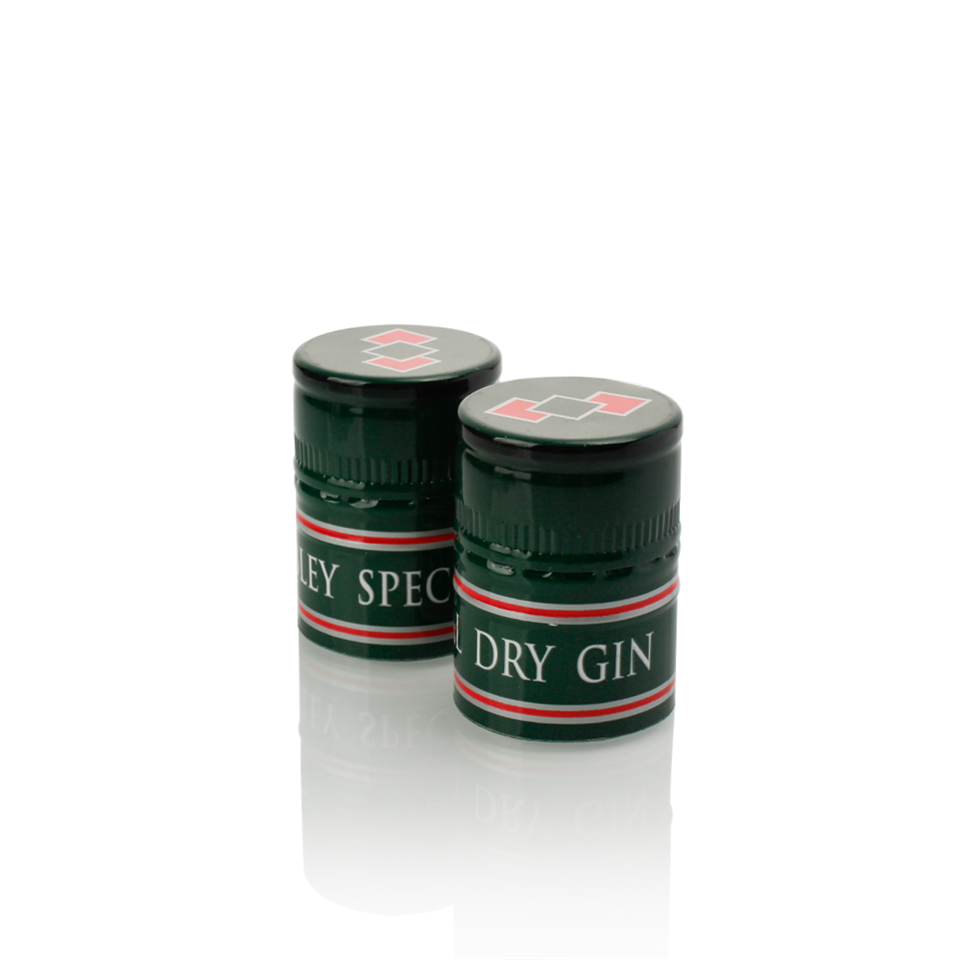
When it comes to different types of wine screw caps, like the Pilfer Proof Aluminium Screw Cap or the 26mm 42mm Ring Pull Aluminum Cap, the same principles apply. You need to consider the material, the production speed, and the potential for contamination.
In conclusion, whether or not wine screw caps need to be lubricated during installation is a decision that depends on your specific situation. If you're running a high - speed production line and you're using caps that might benefit from reduced friction, then lubrication could be a good idea. But if you're a small - scale producer focused on quality and you're using caps that install easily without lubrication, you might not need it.
As a wine screw cap supplier, I'm here to help you make the right decision. If you're in the market for high - quality wine screw caps and you've got questions about lubrication or anything else, don't hesitate to reach out. We can have a chat about your specific needs and figure out the best solution for your winery. Whether you're looking for an Aluminum 28mm ROPP Closure, a Pilfer Proof Aluminium Screw Cap, or a 26mm 42mm Ring Pull Aluminum Cap, we've got you covered. Let's work together to ensure your wine bottling process is as smooth and efficient as possible.
References:
- General knowledge of wine bottling industry practices
- Discussions with winemakers and bottling line operators