
How do bottle caps work in combination with bottle closures?
As a seasoned bottle cap supplier, I've witnessed firsthand the intricate dance between bottle caps and closures. These seemingly simple components play a crucial role in preserving the quality and integrity of the contents within the bottle, whether it's a fine wine, a refreshing beverage, or a valuable pharmaceutical product. In this blog post, I'll delve into the science behind how bottle caps work in combination with bottle closures, exploring the different types of caps and closures available, their functions, and the factors to consider when choosing the right combination for your product.
The Basics of Bottle Caps and Closures
Before we dive into the details, let's start with a brief overview of what bottle caps and closures are and what they do. A bottle cap is a type of closure that is typically made of metal, plastic, or cork and is used to seal the opening of a bottle. Bottle closures, on the other hand, are a broader category of products that include caps, stoppers, and seals, and are designed to prevent the contents of the bottle from leaking, spilling, or being contaminated.
The primary function of a bottle cap or closure is to create a tight seal between the bottle and the outside environment. This seal helps to preserve the freshness, flavor, and quality of the contents within the bottle by preventing the entry of air, moisture, and other contaminants. In addition to providing a seal, bottle caps and closures can also serve other functions, such as providing tamper-evidence, easy opening and closing, and branding opportunities.
Types of Bottle Caps and Closures
There are several different types of bottle caps and closures available, each with its own unique features and benefits. Here are some of the most common types:
Screw Caps
Screw caps are one of the most popular types of bottle caps and are commonly used for beverages, pharmaceuticals, and other products. They are typically made of plastic or metal and feature a threaded design that allows them to be easily screwed onto the bottle neck. Screw caps provide a tight seal and are easy to open and close, making them a convenient option for consumers.
Crown Caps
Crown caps are another common type of bottle cap and are commonly used for beer, soda, and other carbonated beverages. They are typically made of metal and feature a crimped design that allows them to be easily applied to the bottle neck using a capping machine. Crown caps provide a tight seal and are designed to withstand the pressure of carbonated beverages.
Cork Stoppers
Cork stoppers are a traditional type of bottle closure that is commonly used for wine and other high-end beverages. They are typically made of natural cork and are inserted into the bottle neck using a corkscrew. Cork stoppers provide a tight seal and allow the wine to breathe, which can enhance its flavor and aroma over time.
Plastic Stoppers
Plastic stoppers are a modern alternative to cork stoppers and are commonly used for wine, spirits, and other beverages. They are typically made of plastic and feature a screw-on or push-in design that allows them to be easily applied to the bottle neck. Plastic stoppers provide a tight seal and are less likely to cause cork taint, which can affect the flavor of the wine.
Aluminum Caps
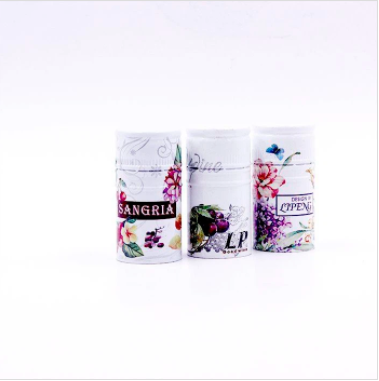
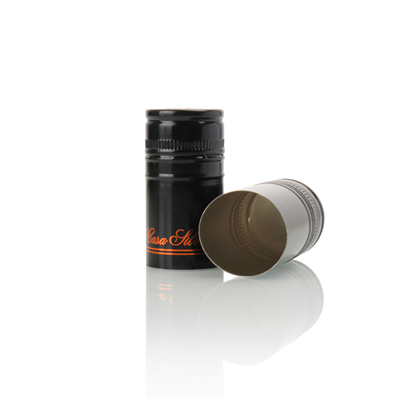
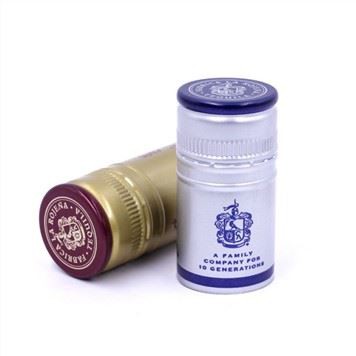
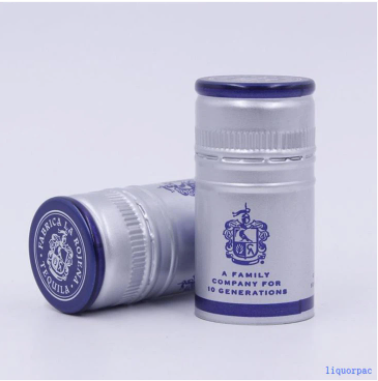
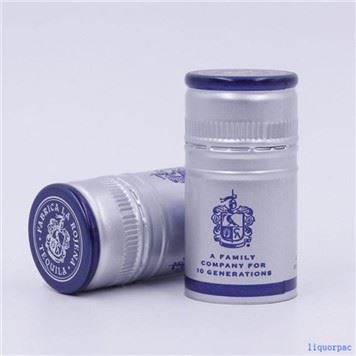
Aluminum caps are a popular type of bottle cap that is commonly used for juices, sauces, and other products. They are typically made of aluminum and feature a screw-on or press-on design that allows them to be easily applied to the bottle neck. Aluminum caps provide a tight seal and are lightweight, making them a convenient option for transportation and storage. 38x18 mm Aluminum Caps
Wooden Bottle Cork Stoppers
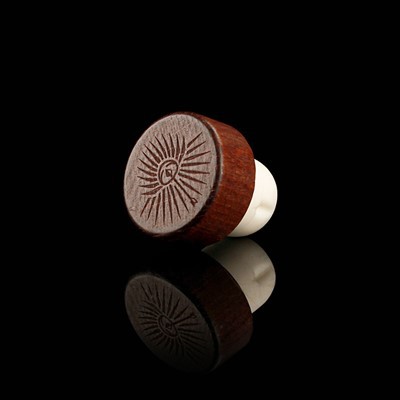
Wooden bottle cork stoppers are a unique type of bottle closure that is commonly used for specialty wines, spirits, and other products. They are typically made of natural wood and are inserted into the bottle neck using a corkscrew. Wooden bottle cork stoppers provide a tight seal and add a touch of elegance and sophistication to the bottle. Wooden Bottle Cork Stopper
Tamper Evidence Closures
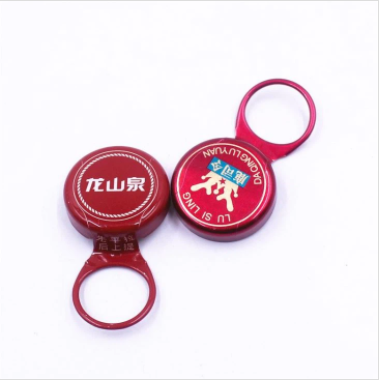
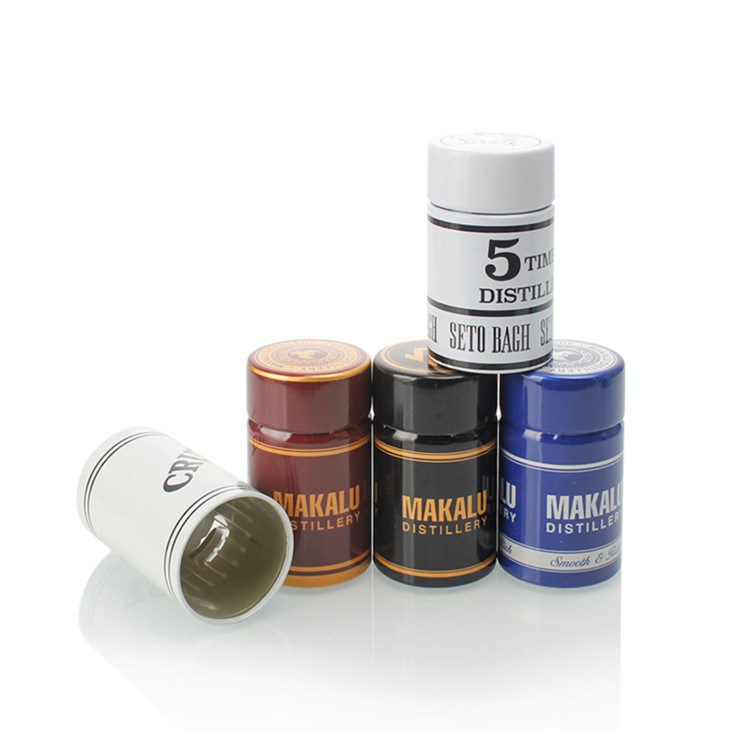
Tamper evidence closures are a type of bottle closure that is designed to provide visible evidence of tampering. They are commonly used for pharmaceuticals, food products, and other products that require a high level of security. Tamper evidence closures typically feature a breakable seal or a tear-off strip that must be removed before the bottle can be opened. Tamper Evidence 33*58mm Closure
How Bottle Caps Work in Combination with Bottle Closures
Now that we've explored the different types of bottle caps and closures available, let's take a closer look at how they work in combination to create a tight seal and preserve the quality of the contents within the bottle.
When a bottle cap or closure is applied to the bottle neck, it creates a seal by compressing the gasket or liner against the bottle opening. The gasket or liner is typically made of a soft, flexible material, such as rubber or plastic, and is designed to conform to the shape of the bottle opening and create a tight seal. The compression of the gasket or liner helps to prevent the entry of air, moisture, and other contaminants, which can help to preserve the freshness, flavor, and quality of the contents within the bottle.
In addition to providing a seal, bottle caps and closures can also work together to provide other functions, such as tamper-evidence, easy opening and closing, and branding opportunities. For example, a tamper-evidence closure can be combined with a screw cap to provide visible evidence of tampering and prevent unauthorized access to the contents of the bottle. Similarly, a bottle cap can be designed with a unique shape, color, or logo to help differentiate the product from competitors and enhance brand recognition.
Factors to Consider When Choosing the Right Combination
When choosing the right combination of bottle caps and closures for your product, there are several factors to consider. Here are some of the most important factors:
Product Type
The type of product you are packaging will play a significant role in determining the type of bottle cap and closure you need. For example, carbonated beverages require a closure that can withstand the pressure of the carbonation, while wine and other high-end beverages may require a cork stopper or a plastic stopper that allows the wine to breathe.
Packaging Material
The type of packaging material you are using will also affect the type of bottle cap and closure you need. For example, glass bottles may require a different type of closure than plastic bottles, as glass bottles are more brittle and require a closure that can provide a tight seal without causing damage to the bottle.
Storage and Transportation
The storage and transportation conditions of your product will also need to be considered when choosing the right combination of bottle caps and closures. For example, if your product will be stored or transported in a hot or humid environment, you may need a closure that can provide a tight seal and prevent the entry of moisture.
Consumer Preferences
Finally, it's important to consider the preferences of your target consumers when choosing the right combination of bottle caps and closures. For example, some consumers may prefer a screw cap for its convenience, while others may prefer a cork stopper for its traditional look and feel.
Conclusion
In conclusion, bottle caps and closures play a crucial role in preserving the quality and integrity of the contents within the bottle. By understanding the different types of bottle caps and closures available, how they work in combination, and the factors to consider when choosing the right combination, you can ensure that your product is properly packaged and protected.
As a bottle cap supplier, I'm committed to providing high-quality bottle caps and closures that meet the needs of my customers. Whether you're looking for a screw cap, a crown cap, a cork stopper, or a tamper-evidence closure, I have the expertise and experience to help you find the right solution for your product.
If you're interested in learning more about our bottle cap and closure products or would like to discuss your specific packaging needs, please don't hesitate to contact us. We'd be happy to provide you with more information and help you find the right combination of bottle caps and closures for your product.
References
- Packaging Machinery Manufacturers Institute (PMMI). (2023). Bottle Capping Equipment. Retrieved from PMMI website
- Smith, J. (2022). The Science of Bottle Closures. Journal of Packaging Science and Technology, 15(2), 78-85.
- Jones, A. (2021). Choosing the Right Bottle Cap for Your Product. Packaging Digest. Retrieved from Packaging Digest website