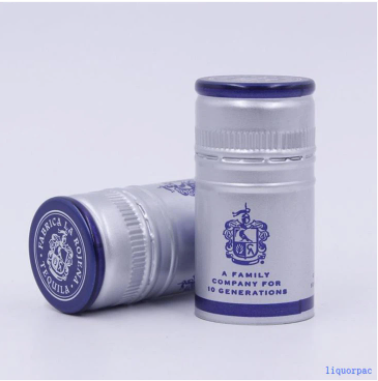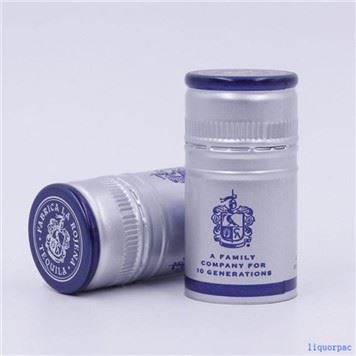

What is the difference between a plastic and a silicone bottle lid?
As a seasoned bottle lid supplier, I've witnessed the diverse needs of our clients and the wide range of applications for different types of bottle lids. Among the most common materials used for bottle lids are plastic and silicone, each with its own unique characteristics, advantages, and drawbacks. In this blog post, I'll delve into the key differences between plastic and silicone bottle lids to help you make an informed decision when choosing the right lid for your bottles.
Material Composition and Properties
Plastic bottle lids are typically made from various types of polymers, such as polyethylene (PE), polypropylene (PP), or polyethylene terephthalate (PET). These materials are known for their durability, lightweight nature, and relatively low cost. Plastic lids can be easily molded into different shapes and sizes, making them suitable for a wide range of bottle types and applications.
On the other hand, silicone bottle lids are made from a synthetic rubber material called silicone elastomer. Silicone is known for its high temperature resistance, flexibility, and chemical stability. It is also non-toxic, odorless, and tasteless, making it a popular choice for food and beverage containers. Silicone lids can withstand extreme temperatures, ranging from -40°F to 482°F (-40°C to 250°C), making them suitable for use in both hot and cold environments.
Durability and Longevity
When it comes to durability, both plastic and silicone bottle lids have their own strengths. Plastic lids are generally more rigid and less prone to tearing or puncturing, making them suitable for applications where the lid may be subjected to rough handling or pressure. However, plastic lids can become brittle over time, especially when exposed to sunlight or extreme temperatures, which can cause them to crack or break.
Silicone lids, on the other hand, are more flexible and resistant to tearing, making them less likely to break under normal use. They are also more resistant to heat and cold, which means they can maintain their shape and integrity even when exposed to extreme temperatures. However, silicone lids can be more prone to scratching and staining, especially if they are not cleaned properly.
Sealability and Leakage Prevention
One of the most important factors to consider when choosing a bottle lid is its sealability and ability to prevent leakage. Plastic lids typically have a tight-fitting design that provides a good seal, preventing liquids from leaking out of the bottle. However, the seal of a plastic lid can be affected by factors such as the quality of the material, the design of the lid, and the condition of the bottle neck.
Silicone lids are known for their excellent sealability, thanks to their flexible and elastic nature. They can conform to the shape of the bottle neck, creating a tight and secure seal that prevents liquids from leaking out. Silicone lids also have a higher resistance to air and moisture, which means they can help to keep the contents of the bottle fresh for longer.
Chemical Resistance and Compatibility
Another important factor to consider when choosing a bottle lid is its chemical resistance and compatibility with the contents of the bottle. Plastic lids are generally resistant to a wide range of chemicals, including acids, bases, and solvents. However, some types of plastic may be affected by certain chemicals, which can cause them to degrade or become brittle over time.
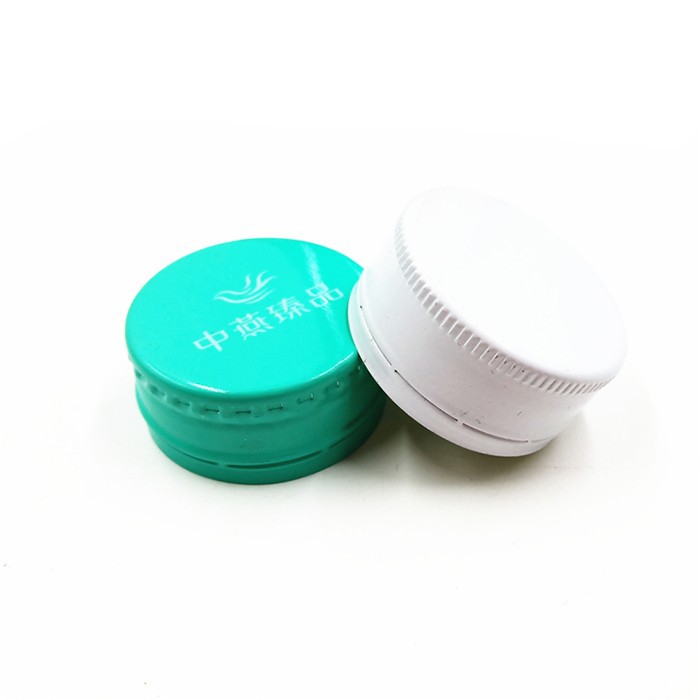
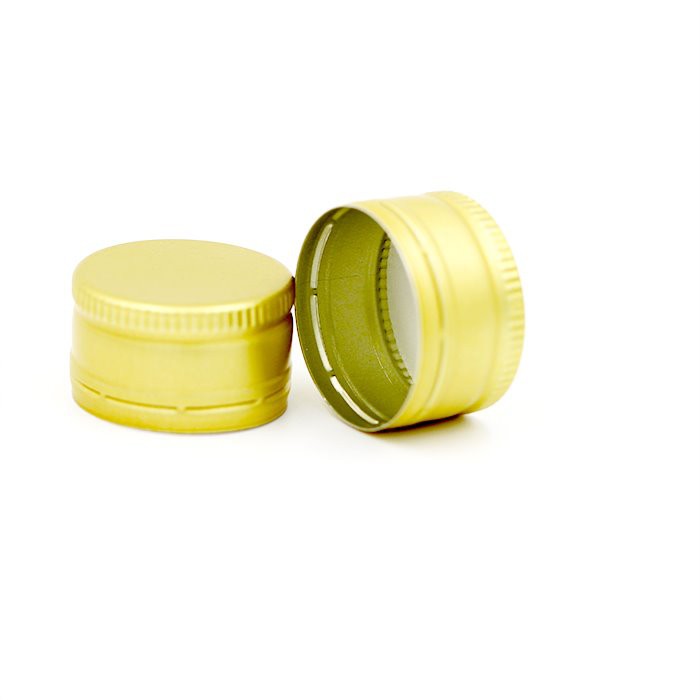
Silicone lids are highly resistant to chemicals, making them suitable for use with a wide range of substances, including food, beverages, and pharmaceuticals. They are also non-reactive, which means they will not interact with the contents of the bottle, ensuring the safety and integrity of the product.
Aesthetics and Design Options
In addition to their functional properties, plastic and silicone bottle lids also offer different aesthetic and design options. Plastic lids can be easily colored, printed, or embossed, allowing you to customize the look of your bottle and create a unique brand identity. They can also be designed with different features, such as flip-top caps, screw caps, or press-on caps, to meet the specific needs of your product.
Silicone lids are available in a variety of colors and finishes, including clear, opaque, and translucent. They can also be molded into different shapes and sizes, allowing you to create a custom look for your bottle. Silicone lids are often used for products that require a more premium or high-end look, such as cosmetics, skincare products, and luxury food items.
Cost and Affordability
When it comes to cost, plastic bottle lids are generally more affordable than silicone lids. Plastic is a widely available and inexpensive material, which means that plastic lids can be produced at a lower cost. However, the cost of plastic lids can vary depending on the type of plastic used, the complexity of the design, and the quantity ordered.
Silicone lids are typically more expensive than plastic lids, due to the higher cost of the raw material and the more complex manufacturing process. However, silicone lids offer several advantages over plastic lids, such as better durability, sealability, and chemical resistance, which may justify the higher cost for certain applications.
Environmental Impact
In recent years, there has been increasing concern about the environmental impact of plastic products, including plastic bottle lids. Plastic is a non-renewable resource that can take hundreds of years to decompose, which means that plastic lids can contribute to environmental pollution and waste.
Silicone is a more environmentally friendly alternative to plastic, as it is made from a renewable resource (silica) and is recyclable. Silicone lids can also be reused multiple times, which reduces the amount of waste generated. However, the production of silicone lids still requires energy and resources, so it's important to choose a supplier that uses sustainable manufacturing practices.
Conclusion
In conclusion, the choice between a plastic and a silicone bottle lid depends on several factors, including the specific application, the requirements of the product, the budget, and the environmental impact. Plastic lids are a popular choice for their affordability, durability, and versatility, while silicone lids offer better sealability, chemical resistance, and environmental friendliness.
As a bottle lid supplier, we offer a wide range of plastic and silicone bottle lids to meet the diverse needs of our clients. Whether you're looking for a simple and affordable lid for your everyday products or a high-performance lid for your premium products, we have the expertise and resources to provide you with the best solution.
If you're interested in learning more about our bottle lids or have any questions, please feel free to contact us. We'd be happy to discuss your specific requirements and help you choose the right lid for your bottles.
Here are some of our popular products you might be interested in:
- 28mm 38mm ROPP Cap
- Whiskey Glass Bottles Aluminum ROPP Caps
- 30*35 Mm Aluminum ROPP Caps For Spirit Cap
References
- "Plastic Materials and Their Properties" - A technical handbook on plastic materials and their applications.
- "Silicone Elastomers: Properties and Applications" - A comprehensive guide to silicone elastomers and their use in various industries.
- "Bottle Closure Design and Technology" - A reference book on the design and technology of bottle closures, including plastic and silicone lids.