
As a seasoned bottle cap supplier, I've witnessed firsthand the intricate dance between creativity and regulation in the world of bottle cap design. The regulations governing bottle cap design are not just a set of rules; they are the guardians of safety, functionality, and environmental responsibility. In this blog, I'll delve into the key regulations that shape the bottle caps we produce and how they impact our business.
Safety Regulations
Safety is paramount when it comes to bottle cap design. One of the most critical aspects is child - resistant features. In many countries, products such as medications, household chemicals, and certain types of alcoholic beverages are required to have child - resistant caps. These caps are designed to be difficult for children under a certain age to open, reducing the risk of accidental ingestion.
For example, in the United States, the Poison Prevention Packaging Act (PPPA) mandates that certain substances be packaged in child - resistant containers. Bottle cap manufacturers must adhere to strict testing procedures to ensure that their caps meet the standards set by the Consumer Product Safety Commission (CPSC). This involves rigorous testing with a panel of children and adults to verify that the cap is child - resistant yet accessible to adults.
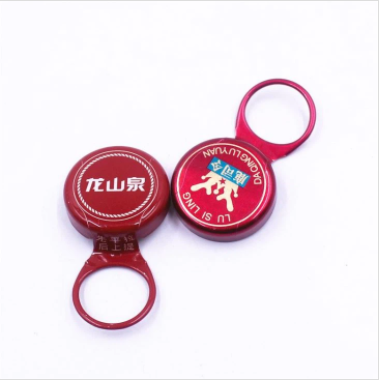
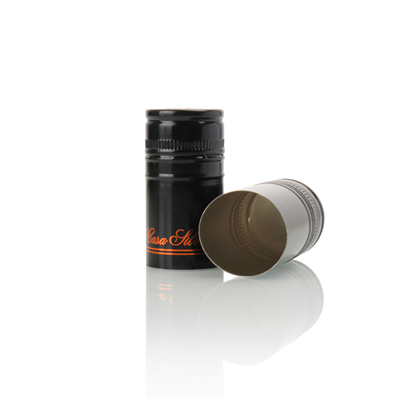
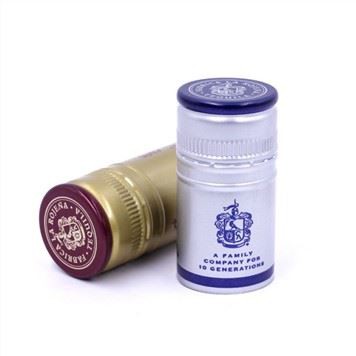
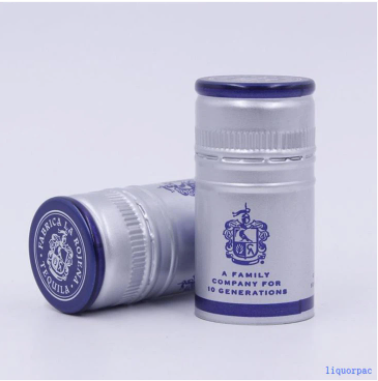
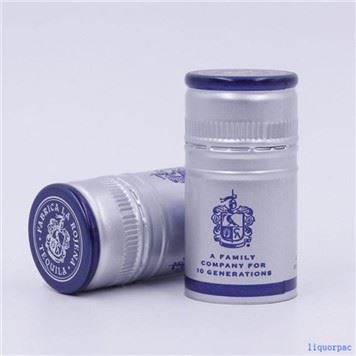
Another safety concern is tamper - evidence. Consumers need to be confident that the product they are purchasing has not been tampered with. Regulations often require that bottle caps have features that clearly indicate if the seal has been broken. For instance, many plastic caps have a ring that detaches when the cap is opened for the first time. Aluminum caps, like the 30X44mm Aluminum ROPP Cap With PE Liner, ROPP, Roll on pifer proof cap, are designed with a roll - on pilfer - proof feature that shows visible signs of tampering.
Environmental Regulations
In recent years, environmental concerns have taken center stage in bottle cap design. Governments around the world are implementing regulations to reduce plastic waste and promote recycling. Many regions have banned single - use plastics, which has a significant impact on bottle cap design.
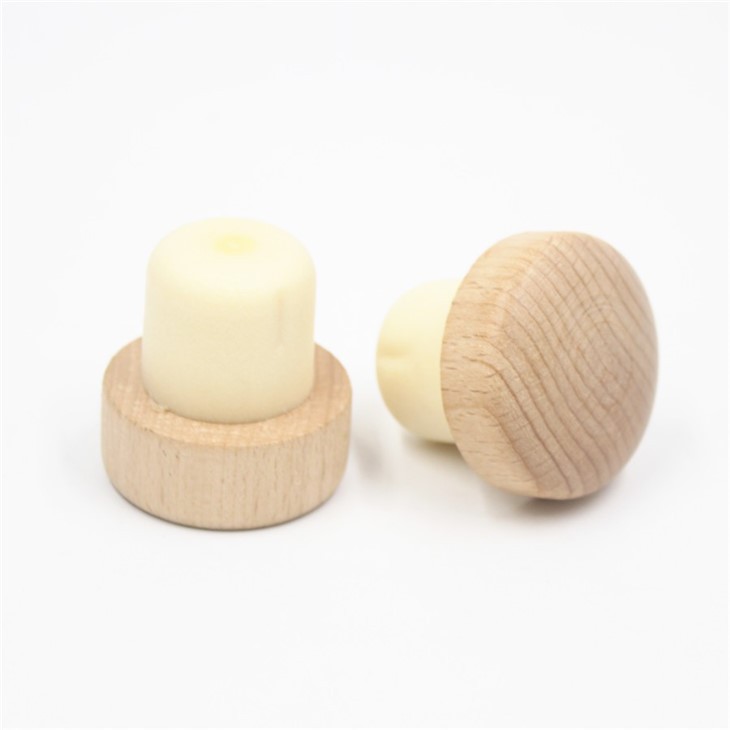
Bottle cap suppliers are now under pressure to use more sustainable materials. For example, some manufacturers are turning to biodegradable plastics or recycled materials. Wooden corks, such as the Top Embossed Wooden Spirit Bottle Cork, are a traditional and eco - friendly option for wine and spirit bottles. They are renewable, biodegradable, and can be recycled.
In addition to material selection, regulations also govern the recyclability of bottle caps. Caps need to be designed in a way that they can be easily separated from the bottle during the recycling process. Some caps are now designed to be compatible with existing recycling systems, ensuring that they can be recycled along with the bottles.
Functional Regulations
Functionality is another important aspect of bottle cap design. The cap must fit securely on the bottle to prevent leakage and preserve the product's quality. Regulations often specify the dimensions and tolerances for bottle caps to ensure a proper fit.
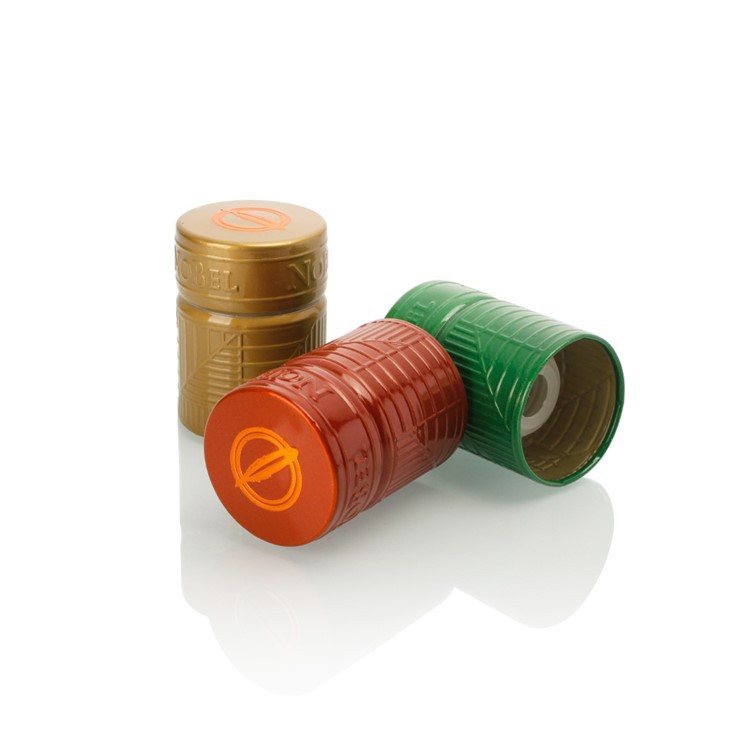
For example, if a bottle cap is too loose, it may allow air or moisture to enter the bottle, which can spoil the product. On the other hand, if it is too tight, it may be difficult for consumers to open. Our 33*47mm Non - refillable Aluminum Plastic Cap is designed to meet strict dimensional requirements to ensure a perfect fit and reliable performance.
In the food and beverage industry, bottle caps also need to be hygienic. They must be made from materials that are safe for contact with food and beverages. Regulations set standards for the chemical composition of the materials used in bottle caps to prevent any contamination of the product.
Aesthetic and Labeling Regulations
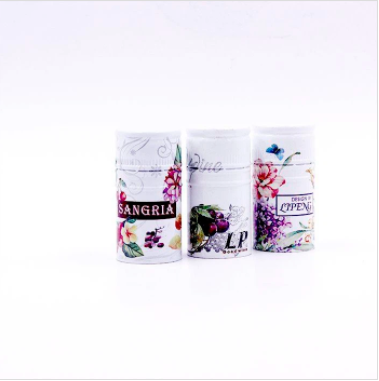
While safety, environmental, and functional aspects are crucial, aesthetic and labeling regulations also play a role in bottle cap design. Bottle caps are often used as a marketing tool, and regulations govern what can and cannot be printed on them.
For example, in the alcohol industry, there are strict rules regarding the labeling of alcohol content, health warnings, and brand information on bottle caps. These regulations ensure that consumers have accurate information about the product they are purchasing.
In addition, the overall appearance of the bottle cap must comply with certain aesthetic standards. For example, in some industries, caps need to be visually appealing to attract consumers. However, they cannot be so elaborate that they interfere with the functionality or safety of the cap.
Impact on Our Business
As a bottle cap supplier, these regulations have a profound impact on our business. We need to stay up - to - date with the latest regulatory changes in different markets to ensure that our products are compliant. This requires significant investment in research and development, testing, and quality control.
We also need to work closely with our customers to understand their specific regulatory requirements. Different industries and products have different sets of regulations, and we need to tailor our designs accordingly. For example, a pharmaceutical company will have different requirements than a beverage company.
Despite the challenges, we see these regulations as an opportunity. By complying with the regulations, we can provide our customers with high - quality, safe, and sustainable bottle caps. This helps us build a good reputation in the market and gain a competitive edge.
Conclusion
In conclusion, the regulations regarding bottle cap design are a complex web of rules that cover safety, environmental, functional, aesthetic, and labeling aspects. As a bottle cap supplier, we are committed to meeting these regulations to provide our customers with the best possible products.
If you are in the market for high - quality bottle caps that comply with all relevant regulations, we would love to hear from you. Whether you need a custom - designed cap for your unique product or a standard cap that meets industry standards, we have the expertise and resources to meet your needs. Contact us today to start a discussion about your bottle cap requirements and explore how we can work together to create the perfect solution for your business.
References
- Consumer Product Safety Commission (CPSC). Poison Prevention Packaging Act (PPPA) regulations.
- Local environmental protection agencies' guidelines on plastic waste and recycling.
- Food and Drug Administration (FDA) regulations on food - contact materials.
- Alcohol and Tobacco Tax and Trade Bureau (TTB) regulations on alcohol labeling.