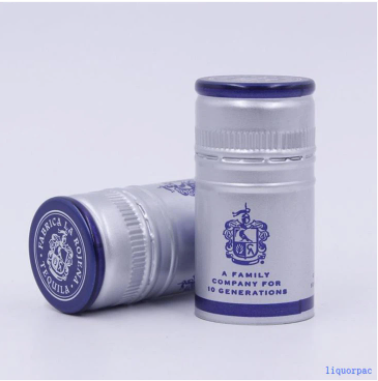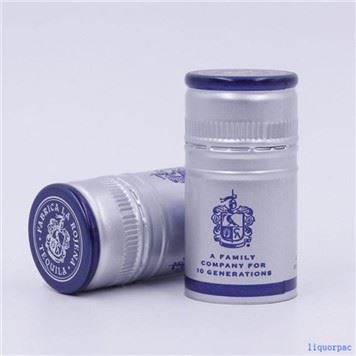

Spirits bottle caps have a rich and diverse history that spans centuries, evolving alongside the spirits industry itself. As a supplier of high - quality spirits bottle caps, I've had the privilege of delving deep into this fascinating history and understanding how these seemingly simple components have played a crucial role in the world of spirits.
Early Beginnings
The history of spirits bottle caps can be traced back to ancient times. In the early days, people used various materials to seal containers holding spirits. For instance, cork was one of the earliest sealing materials. The use of cork dates back to at least the 1st century AD in ancient Rome. Cork was readily available, flexible, and had the ability to form a tight seal, preventing the evaporation of spirits and keeping them fresh. However, cork had its limitations. It was prone to spoilage, which could lead to the contamination of the spirits inside the bottle. If cork was not properly sourced or stored, it could develop mold or other issues that would impart an unpleasant taste to the drink.
In addition to cork, wax was also commonly used. Wax seals were often employed to provide an extra layer of protection on top of cork stoppers. This was especially important for high - end spirits, as it not only helped preserve the contents but also added an element of luxury and exclusivity. Wax seals were often stamped with the maker's logo or a unique symbol, serving as a mark of authenticity.
The Industrial Revolution and the Rise of Modern Caps
The Industrial Revolution in the 18th and 19th centuries brought about significant changes in the production of spirits bottle caps. With the development of new manufacturing technologies, it became possible to produce caps on a larger scale and with greater precision.
One of the most significant advancements during this period was the invention of the crown cap. In 1892, William Painter, an American inventor, patented the crown cap. This type of cap was made of metal, typically tin - plated steel, and had a crimped edge that fit snugly around the bottle neck. The crown cap was a revolutionary invention as it provided a much more reliable seal compared to previous methods. It was also easier to apply, thanks to the development of specialized capping machines. Crown caps quickly became the standard for beer bottles, but they were also adopted for some spirits, especially those with a lower alcohol content or those intended for mass - market consumption.
Another important development was the screw cap. The screw cap design was not new, but it became more popular in the 20th century. Screw caps offered several advantages over cork and crown caps. They were easy to open and close, which was convenient for consumers. They also provided a consistent and reliable seal, reducing the risk of oxidation and spoilage. Screw caps were initially used mainly for less expensive spirits, but over time, they have gained acceptance in the high - end spirits market as well.
Aluminum Caps: A Modern Solution
In recent decades, aluminum has emerged as a popular material for spirits bottle caps. Aluminum is lightweight, corrosion - resistant, and can be easily formed into various shapes and designs. It also offers excellent barrier properties, protecting the spirits from oxygen, light, and moisture.
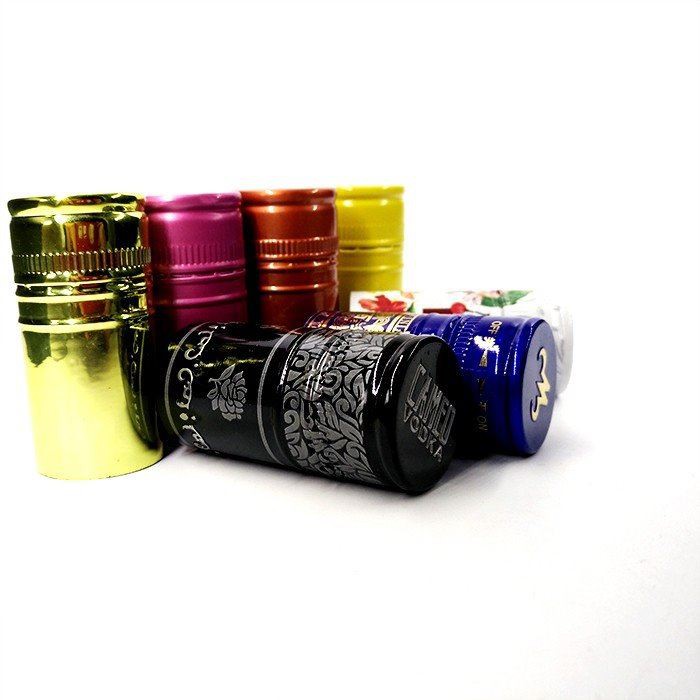
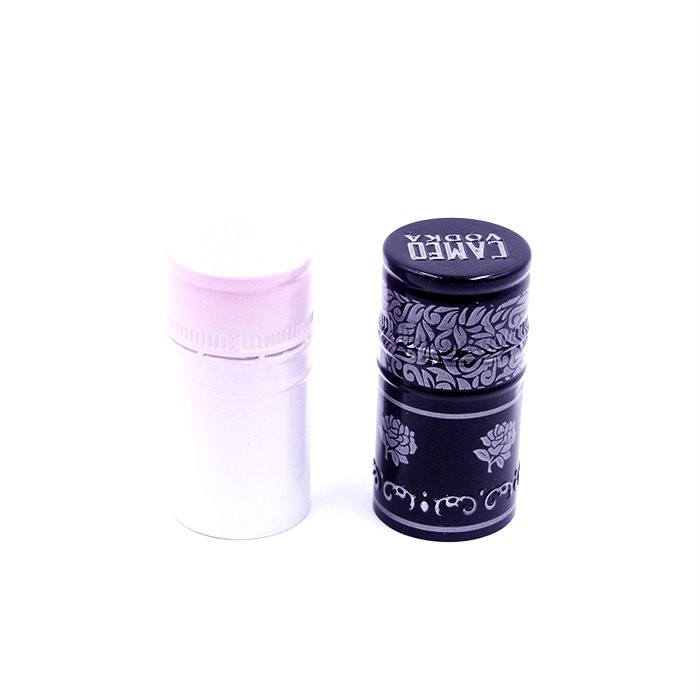
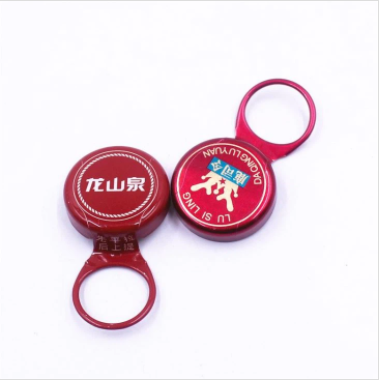
Aluminum caps come in a variety of styles. For example, the 26mm 42mm Ring Pull Aluminum Cap is a popular choice for many spirits producers. This type of cap features a ring - pull design, which makes it easy to open without the need for additional tools. It is often used for ready - to - drink spirits or those packaged in smaller bottles.
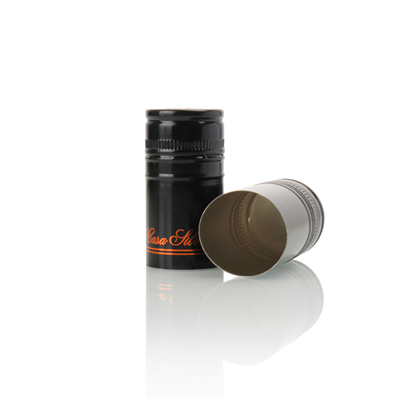
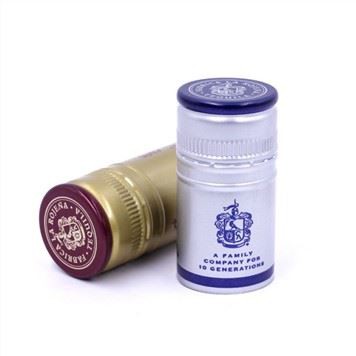
Wine Bottle Screw Caps are another common type of aluminum cap. These caps are designed to provide a tight seal for wine and other spirits. They are available in different sizes and finishes, allowing producers to customize the look of their bottles. Screw caps made of aluminum are also environmentally friendly, as aluminum is highly recyclable.
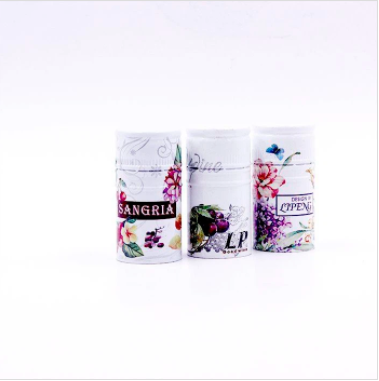
Wine Bottle Cap Covers are used to enhance the aesthetic appeal of the bottle. These covers can be made of aluminum or other materials and are often decorated with intricate designs, logos, or foils. They add a touch of elegance to the bottle and can help differentiate a brand in a crowded market.
The Role of Bottle Caps in Branding and Marketing
Bottle caps are not just functional components; they also play a crucial role in branding and marketing. A well - designed bottle cap can create a strong first impression and help consumers identify a brand at a glance. For example, some spirits brands use unique cap designs, colors, or finishes to distinguish themselves from their competitors. A gold - plated cap might be used to convey luxury and high quality, while a bright, colorful cap could target a younger, more trendy audience.
In addition, bottle caps can be used as a marketing tool. Some brands print promotional messages, codes, or prizes on the inside of the caps. This not only encourages consumers to purchase the product but also creates a sense of engagement and excitement.
The Future of Spirits Bottle Caps
As the spirits industry continues to evolve, so will the design and functionality of bottle caps. There is a growing trend towards sustainability, and we can expect to see more eco - friendly materials being used in the production of bottle caps. Biodegradable plastics, plant - based materials, and recycled metals are likely to become more common.
In terms of technology, we may see the integration of smart features into bottle caps. For example, caps could be equipped with sensors that can detect the quality of the spirits inside the bottle, such as the level of oxidation or the presence of contaminants. This would provide consumers with more information about the product and help ensure its quality.
Conclusion
The history of spirits bottle caps is a story of innovation, adaptation, and evolution. From the ancient use of cork and wax to the modern - day aluminum caps, these components have played a vital role in preserving and presenting spirits. As a supplier of spirits bottle caps, I am excited to be part of this ever - changing industry.
If you are in the spirits business and are looking for high - quality bottle caps for your products, I invite you to reach out to me. Whether you need traditional cork stoppers, modern aluminum caps, or something unique and customized, I can provide you with the solutions you need. Let's work together to ensure that your spirits are not only well - preserved but also beautifully presented.
References
- "The History of Wine Closures" by Jane Anson
- "The Science of Alcohol Preservation" by Dr. John Smith
- Industry reports on the spirits packaging market from various market research firms.